
Understanding the Differences Between Bus Servo and Pulse Servo: A Guide for Precision Control Systems

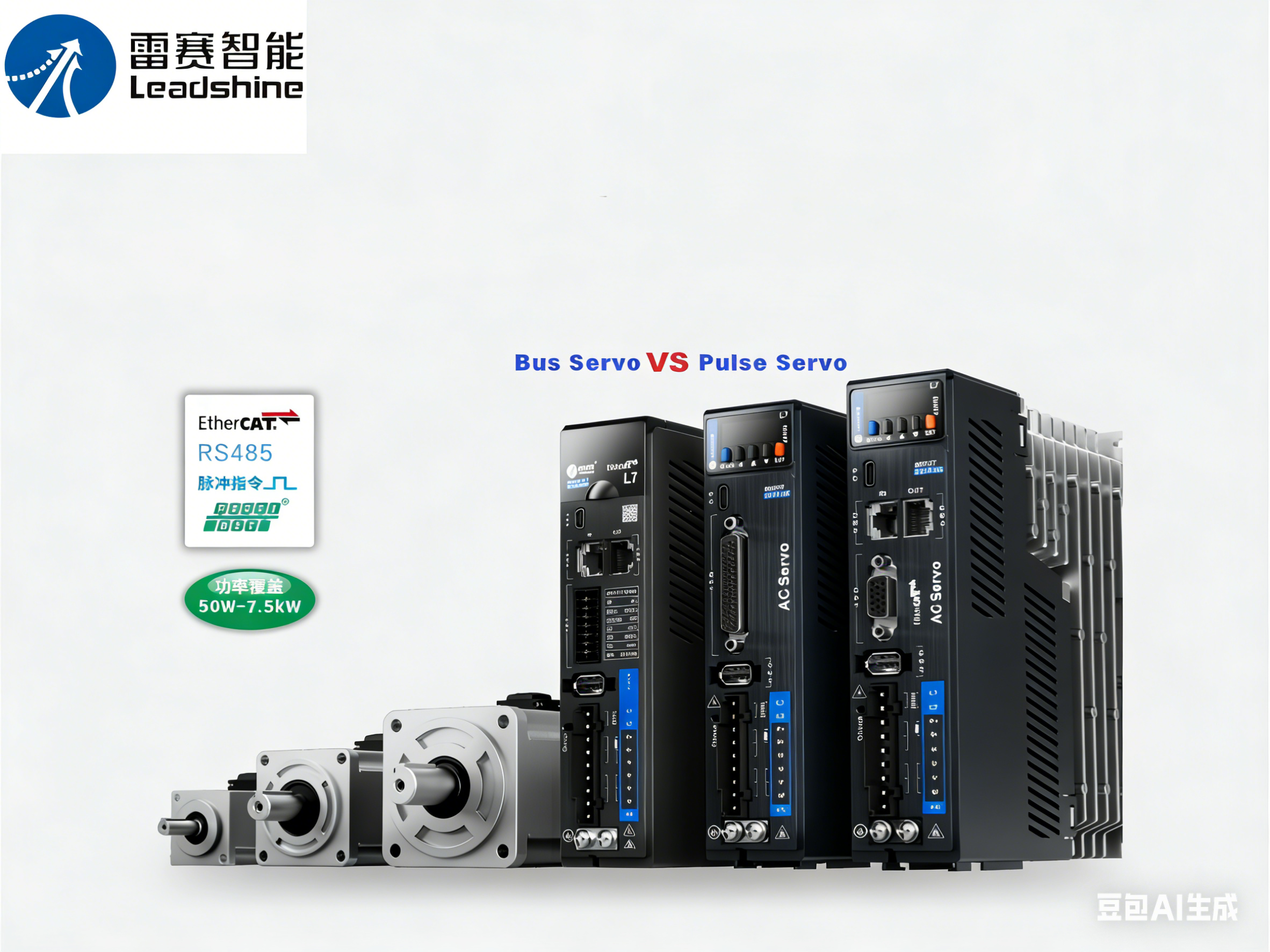
In the world of automation and precision control, choosing the right type of servo system is crucial for optimal performance. Bus servo and pulse servo systems are two of the most common types used in industrial automation, CNC machines, robotics, and other precision applications. Both have their unique characteristics, advantages, and ideal use cases. In this article, we’ll explore the key differences between bus servo systems and pulse servo systems, their performance features, and how to choose the best one for your application.
🔧 What is a Bus Servo System?
A bus servo system operates using industrial communication protocols such as EtherCAT, CANopen, and Modbus, to connect the servo motor, driver, and controller. The system uses high-speed bus communication to transfer data between the components, allowing for centralized control. This integration makes it highly efficient for applications that require multiple axes and coordinated motion.
Key Features of Bus Servo Systems:
- Centralized Control: The system uses a master controller to manage all servo drives, providing unified control over multiple devices.
- High-Speed Communication: Bus servos are designed to handle high-speed data transmission, making them ideal for real-time applications that require rapid feedback.
- Precision and Synchronization: These systems offer high-precision motion control, making them suitable for applications like robotics, CNC machinery, and laser processing, where accuracy is critical.
- Scalability: A bus servo system is highly scalable, allowing the easy addition of more axes or devices without compromising system performance.
Applications of Bus Servo:
- Multi-Axis CNC Machines: Ideal for precision machining and robotic arms where multi-axis control and synchronization are needed.
- Industrial Automation: Perfect for complex automated production lines, semiconductor manufacturing, and automated inspection systems.
- High-Speed Precision Systems: Applications requiring synchronized high-speed motion, such as laser cutting, 3D printing, and high-speed assembly lines.
⚡ What is a Pulse Servo System?
A pulse servo system controls the servo motor through a series of pulse signals generated by the controller. These pulses dictate the movement of the motor by defining its speed, direction, and positioning. The pulse-based system is particularly well-suited for applications requiring precise point-to-point motion and fast responses.
Key Features of Pulse Servo Systems:
- Simple Control Mechanism: Pulse servos rely on pulse signals for motion control, making them simple and easy to implement.
- High-Speed Response: Due to their direct control over the motor’s speed and position, pulse servos offer fast response times.
- Cost-Effective: Pulse servo systems are generally more affordable than bus servos due to their simpler design and fewer components.
- Ideal for Point-to-Point Control: Pulse servos are particularly effective in applications where precise positioning and point-to-point motion are essential.
Applications of Pulse Servo:
- CNC Machines: CNC milling, lathe machines, and engraving rely on pulse servos for precise, repeatable positioning.
- Robotic Handling: Systems requiring quick, accurate movement such as pick-and-place robots.
- Assembly Lines: Automated assembly systems where precise motion and cost-effectiveness are essential
- #Bus Servo System
- #Pulse Servo System
- #Precision Motion Control
- #CNC Machines
- #Robotic Arms
- #Industrial Automation
- #High-Speed Motion Control
- #Multi-Axis Servo Systems
- #Pulse Signal Control
- #Cost-Effective Servo Systems