- Motion Control
- Leadshine IDM Series Integrated Smart Motor with Driver | Compact, Plug-and-Play, High Acceleration, Easy Installation
- ISV2 Series Intelligent Integrated Low Voltage Servo Motor – CANopen & RS485 Communication For Automation Solution
- Integrated Closed-Loop Stepper Motor Series Stepper motor + Drive + Controller
- Leadshine 5-Phase Stepper Motors Low Vibration for Optical Communication Modules
- Leadshine 57CME Series Closed Loop Stepper Motor | High Torque Low Heat High Stability & Consistent Performance for Precision Machine
- Leadshine 57CM Series NEMA23 Stepper Motor | High Torque Low Heat High Consistency 0.6-3.1Nm
- Leadshine MC500 PLC | EtherCAT 32-Axis Motion Controller with Dual-Core, IEC 6 Languages for 3C, PV, Lithium Battery, Logistics & Packaging Automation
- Leadshine LC Series Large PLC Controller – CODESYS Platform 256-Axis EtherCAT Motion Controller
- R Series EtherCAT Remote I/O Modules for Flexible and Scalable Industrial Automation
- Siemens AC Servo Motors | High Precision Closed-Loop Motion Control, Synchronous & Induction Motors for Robotics, CNC Machine Tools, Packaging and Semiconductor Equipment
- Panasonic MINAS A6/A7 Series AC Servo Motor 50W-22kW – 23bit Encoder, 3x Overload, IP67, 3.2kHz Response, PLC Compatible for High-Precision Industrial Automation
- Delta Servo Systems Delta PLC
- Linear Motion Module
- Precision Ball Screw Linear Slide Module
- High Precision Ball Screw Slide Table Heavy Duty Linear Module for Industrial Automation CNC Equipment Parts
- Cleanroom Ball Screw Linear Module, Low Particle Release High Rigidity Dustless Linear Actuator for Semiconductor Medical Industrial Automation Equipment
- Industrial Gear Reducer
- High Precision Planetary Gear Reducer With Low Backlash, High Torque Density for Robotics & CNC Automation
- Helical Gear Reducer – Low Noise Heavy Duty Modular Design Industrial Gearbox with Easy Maintenance
- Industrial Modular Helical Gear Reducer – Smooth Transmission, Strong Overload Resistance & Flexible Mounting, Suitable for Chemical, Textile & Heavy-Duty Equipment
- Robotic Arm
- Vision & Sensor Systems
- SICK Vision Sensor for High-Precision Machine High Accuracy Detection & Positioning for Smart Factories & Robotics
- SICK Photoelectric Sensor Safety Light Curtains – IP67 Safety Protection for Machine Guarding
- Hikvision CU Series Cost-Effective Industrial Camera Built-in ISP Algorithm with WDR GigE Vision & USB3.0 Interface for Industrial Machine Vision
- Pneumatic Components
- Airtac Air Source Treatment Three-in-One Unit Preparation Units Filter Regulator & Lubricator for Industrial Automation Systems
- AIRTAC Solenoid Valve | Direct/Semi-Direct/Pilot Operated, Leak-Proof & Explosion-Proof DN50, Industrial Fluid Control for Automation, Chemical & Mechanical Piping
- Pneumatic Slide Table Cylinder – ±0.01mm Precision Compact Integrated High Rigidity Durable for Automation
Hot
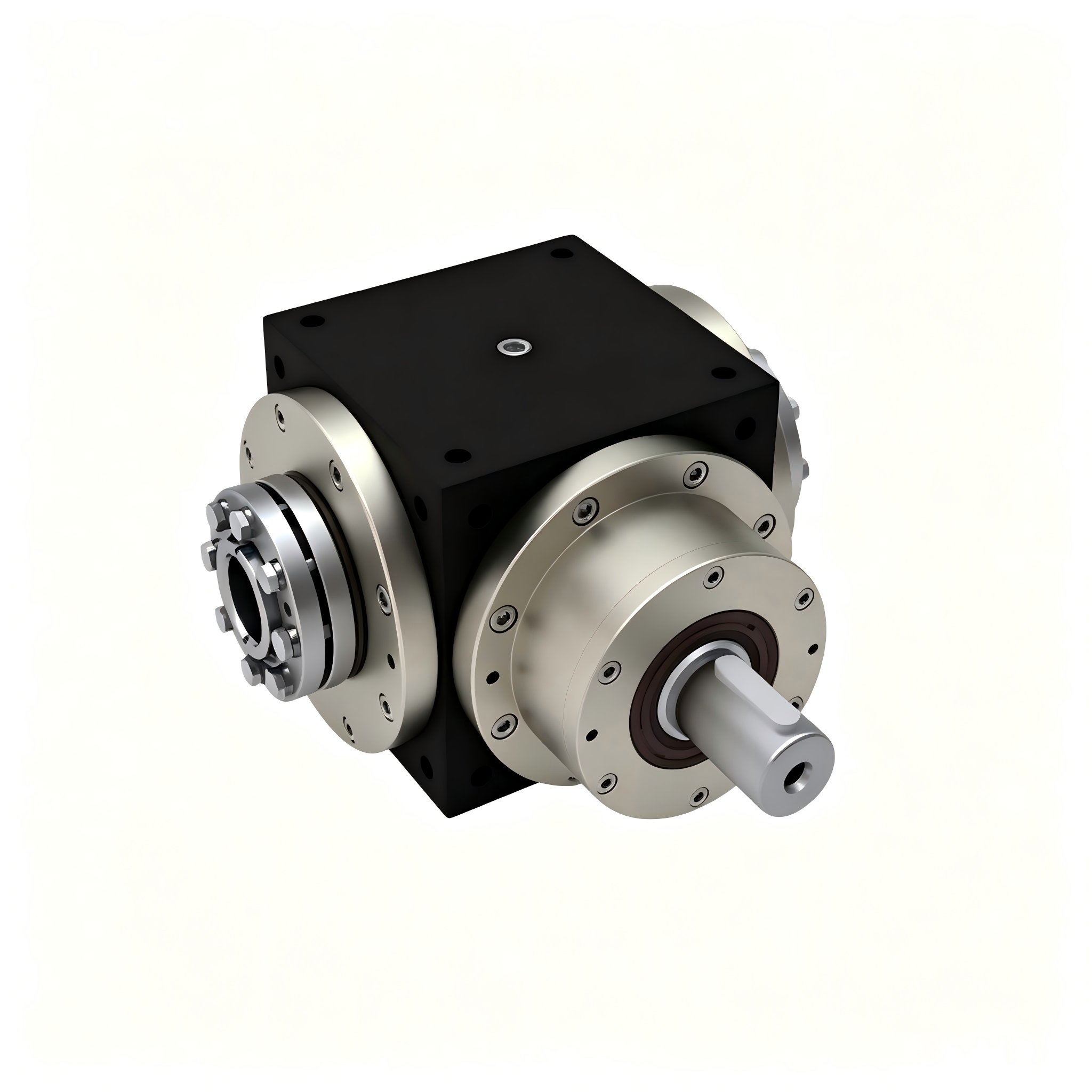
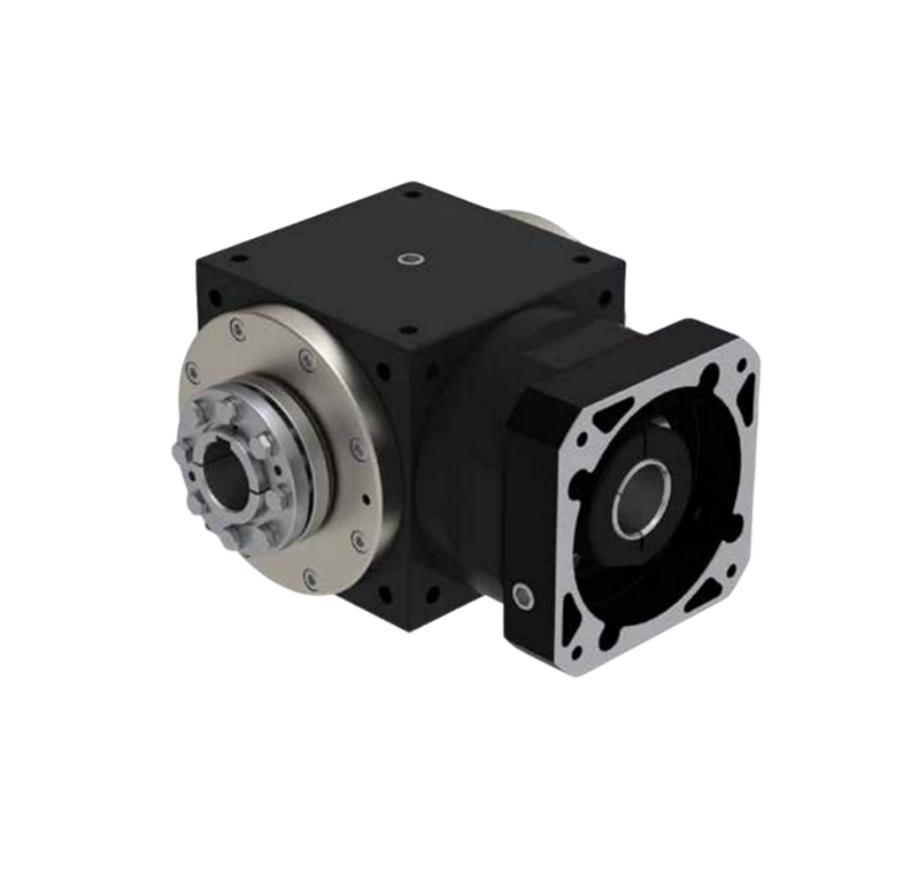
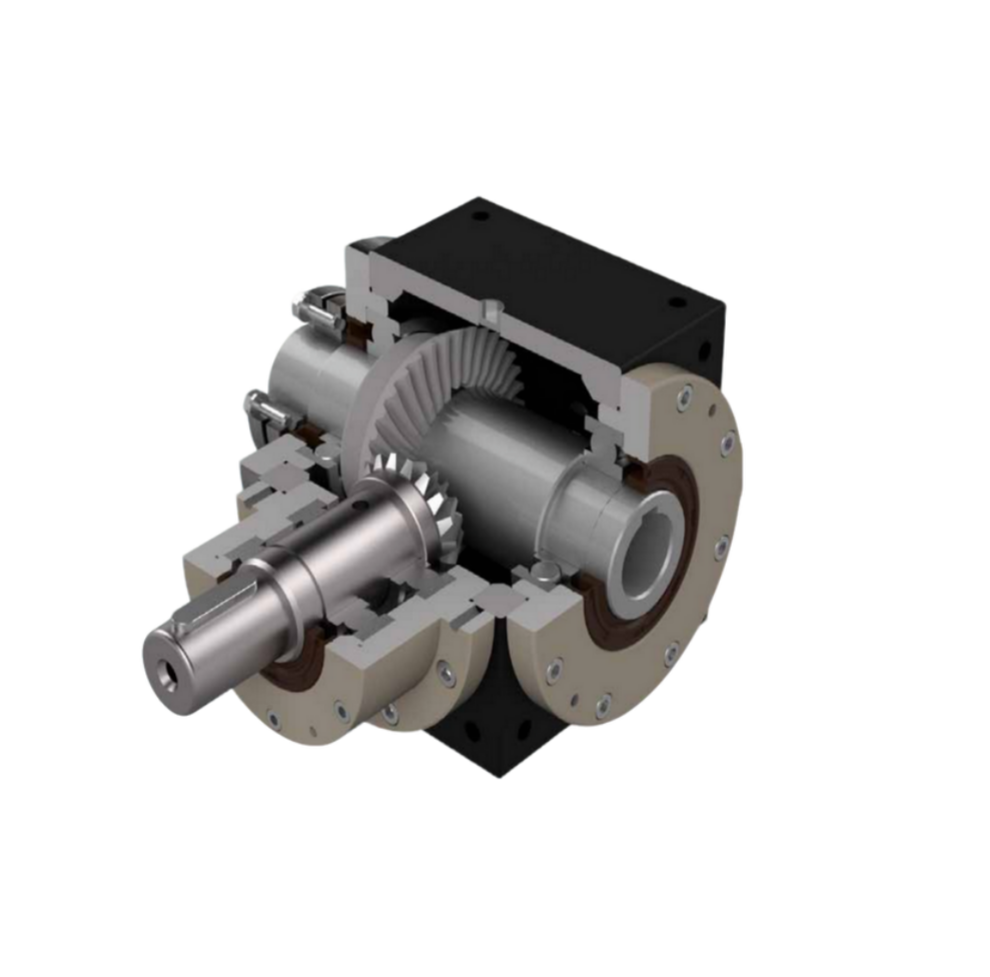
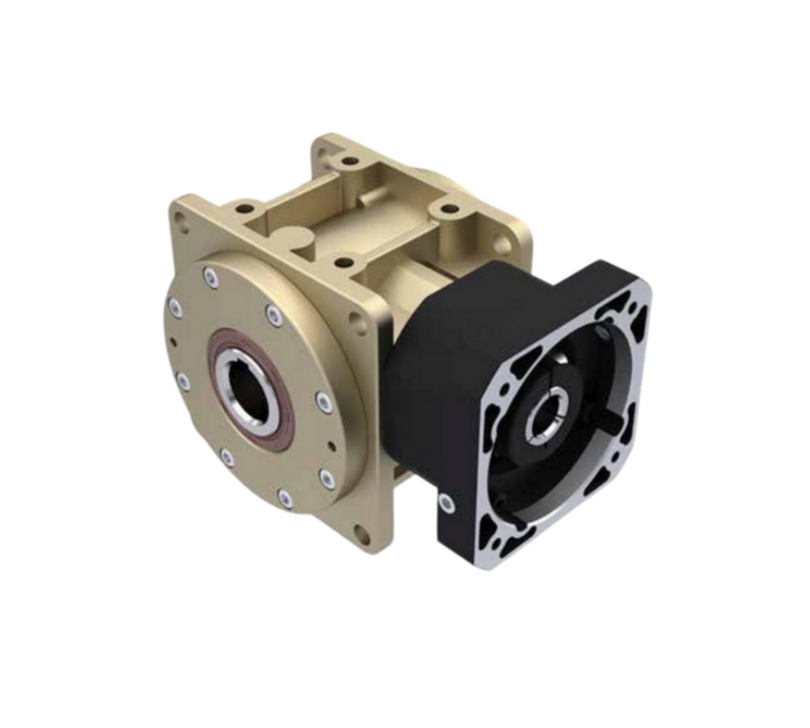
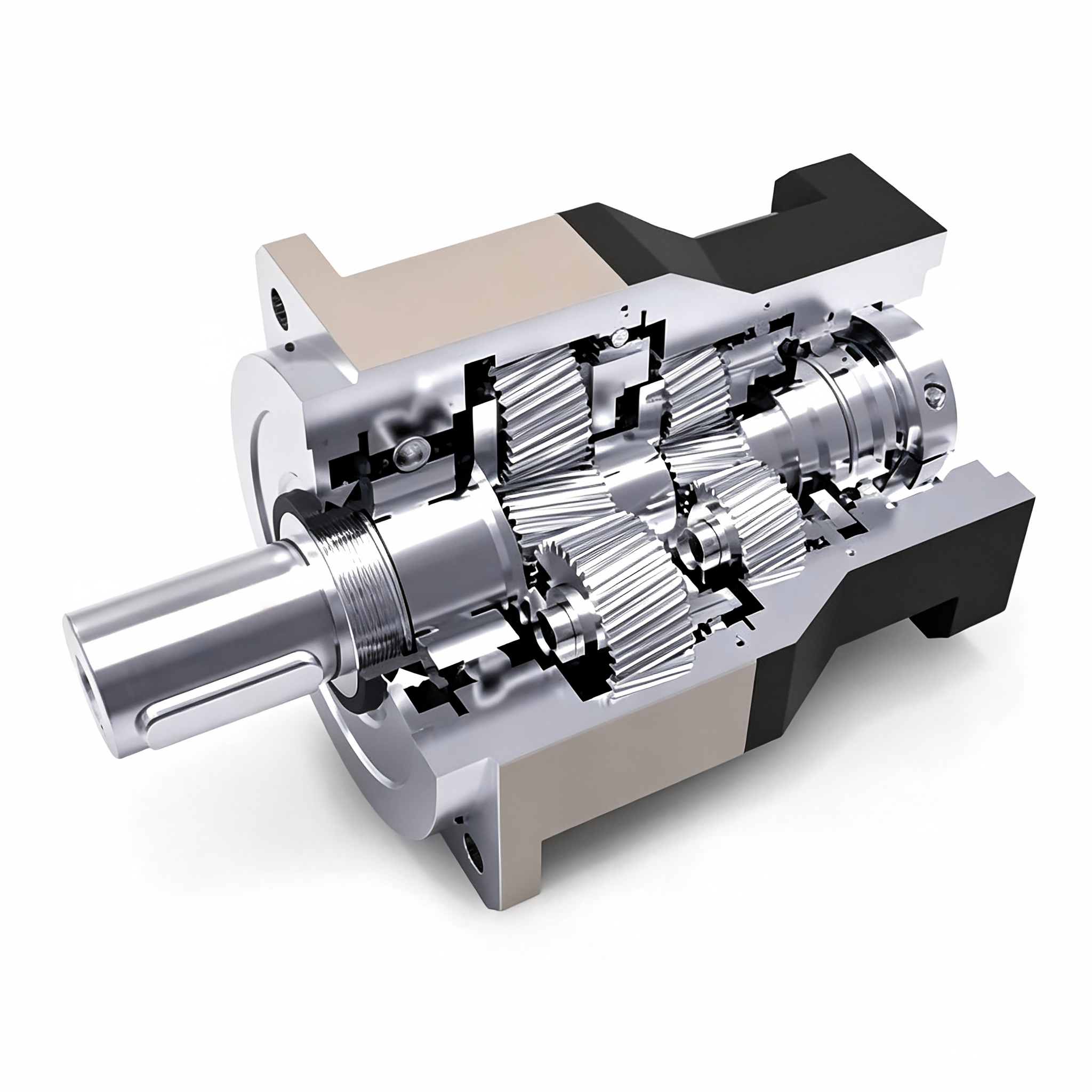
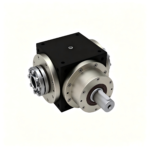
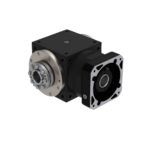
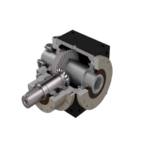
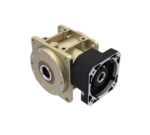
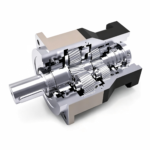
High torque low backlash servo planetary gearbox for servo & stepper motors. Low clearance, high rigidity, stable output torque, 95%+ efficiency, and <3 arcmin precision. Engineered for CNC, robotics, AGV, and industrial automation
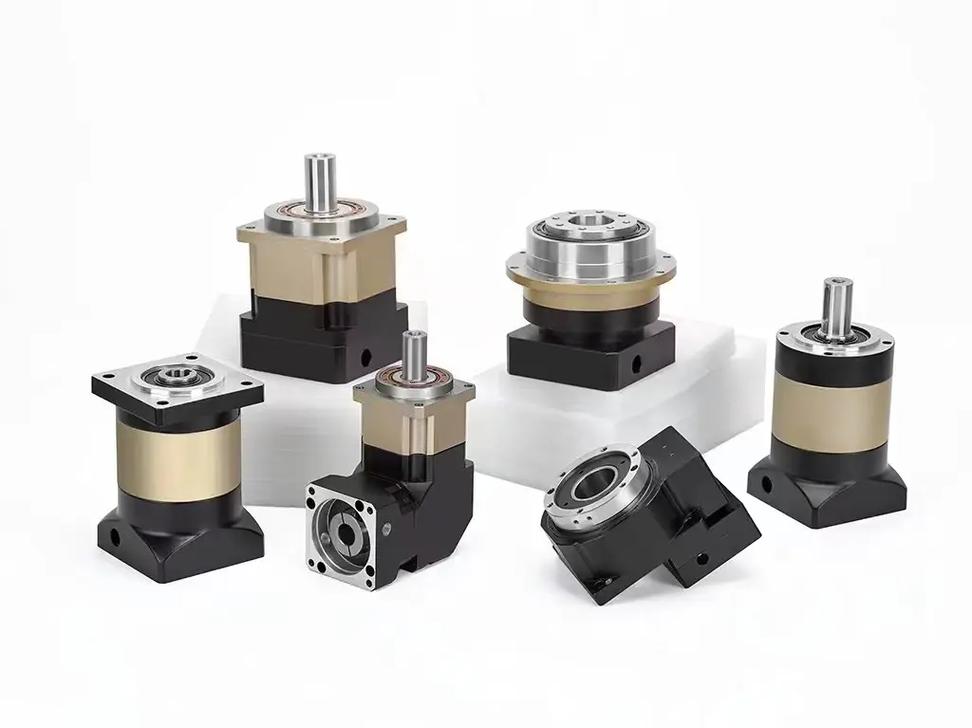
Product Overview
The High Torque Low Backlash Servo Planetary Gearbox is a precision-engineered speed reduction system designed to convert high-speed, low-torque servo motor output into low-speed, high-torque mechanical power with exceptional accuracy and repeatability.
Built around a helical planetary gear train — featuring a central sun gear, multiple planet gears, and an outer ring gear — this gearbox delivers superior torque density, minimal backlash, and coaxial input-output alignment within a compact, rigid housing. It is the critical mechanical interface between modern servo drive systems and the loads they control.
Market Context: Why This Product Matters in 2026
The global industrial planetary gearbox market reached USD 8.61 billion in 2026 and is projected to grow at a 7.19% CAGR to USD 13.20 billion by 2032.
The precision planetary gearbox segment — the category this product serves — was valued at USD 2.71 billion in 2025 and is accelerating to USD 3.96 billion by 2030 at 7.9% CAGR.
The broader servo gearbox market was valued at USD 3.8 billion in 2025 and is forecast to reach USD 6.9 billion by 2034, driven by the global acceleration of smart manufacturing, collaborative robot deployment, and Industry 4.0 integration.
Planetary gearboxes dominate the precision gearbox market, accounting for 50.0% of revenue in 2025, supported by their compact design, high torque density, and efficient load distribution.
What Makes This Gearbox Different
Unlike standard industrial gear reducers, this servo-optimized planetary gearbox is engineered specifically for closed-loop motion control systems where positional accuracy, torsional rigidity, and dynamic response are non-negotiable.
| Specification | Value | Industry Significance |
| Backlash | < 3 arcmin (optional < 1 arcmin) | Sub-millimeter positioning accuracy at the end effector |
| Torque Density | Up to 300% vs. conventional reducers | Smaller footprint, higher payload capacity |
| Transmission Efficiency** | 95–98% | Lower energy loss, reduced motor sizing, cooler operation |
| Reduction Ratio** | 3:1 to 100:1 (single & multi-stage) | Flexible speed-torque matching across applications |
| Input Speed | Up to 6,000 rpm | Compatible with high-speed servo motors |
| Torsional Rigidity | High (Nm/arcmin) | Minimal elastic deformation under load |
| Lubrication | Synthetic grease, lifetime sealed | Maintenance-free operation in most environments |
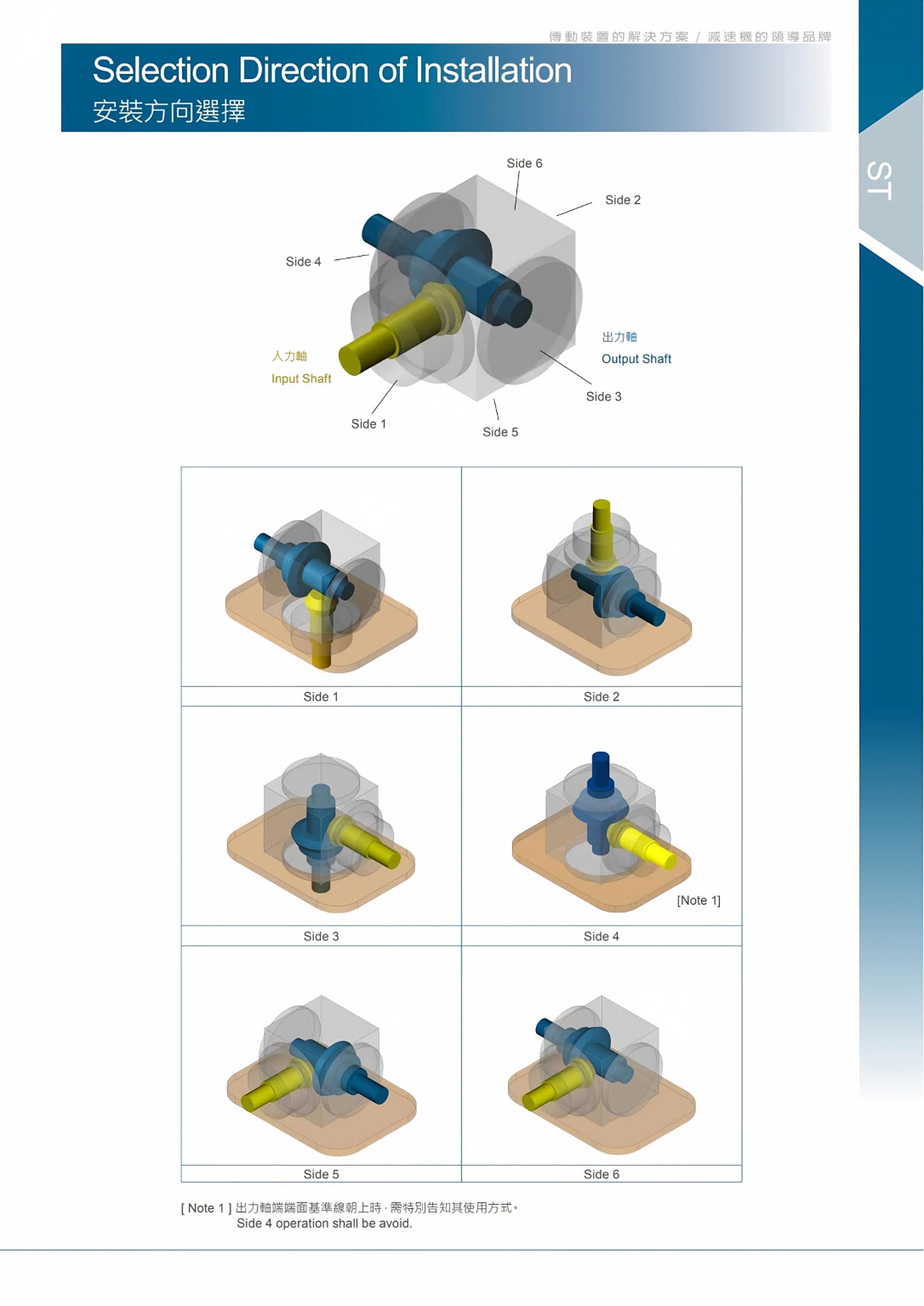
| Mounting | ISO 9409-1 flange, servo motor adapter | Drop-in compatibility with major servo brands |
How It Works: Operating Principle & Performance
The Helical Planetary Gear Train
At the heart of this gearbox is a helical planetary gear system — a coaxial arrangement of three core components:
- Sun Gear — The central input gear, driven directly by the servo motor shaft. It transmits power outward to the planet gears.
- Planet Gears — Multiple helical gears (typically 3–5) that mesh simultaneously with both the sun gear and the ring gear. They share the load equally, rotating around the sun gear while orbiting within the ring gear.
- Ring Gear (Annulus) — The outer stationary gear that provides the reaction surface. The planet gears roll against its inner teeth, converting their orbital motion into output shaft rotation.
Why helical gears? Unlike straight-cut spur gears, helical gears engage gradually along a diagonal contact line. This delivers:
- Smoother torque transmission — reduced vibration and noise
- Higher contact ratio — more teeth in contact simultaneously = higher load capacity
- Superior meshing efficiency — less sliding friction = 95–98% efficiency vs. 90–94% for spur planetary
The Physics of Torque Multiplication
The fundamental equation governing this gearbox is:
Output Torque = Input Torque × Reduction Ratio × Efficiency
Core Advantages
✅ High Torque Amplification
Multi-planetary power distribution multiplies motor torque, enabling small-size servo motors to drive heavy loads, saving the cost of purchasing oversized high-power motors.
✅ Ultra-Low Backlash & High Positioning Accuracy
Precision gear grinding process minimizes clearance, ideal for high-precision positioning, repeated indexing and motion control scenarios without positioning deviation.
✅ Optimized Inertia Matching (Critical Benefit for Servo System)
This is one of the most important reasons to match gearbox and motor. It matches the load inertia to the servo motor’s optimal inertia range, preventing motor oscillation, overshoot and unstable response during acceleration & deceleration.
✅ High Rigidity & Strong Overload Resistance
Symmetrical planetary structure bears load evenly, strong shock resistance for intermittent impact working conditions.
✅ High Transmission Efficiency & Low Heat Generation
High-precision helical/spur gear option, efficiency up to 95%+, low energy loss, long continuous working life.
✅ Universal Compatibility & Easy Installation
Standard flange interface, perfectly compatible with mainstream servo motors & stepper motors (Siemens, Mitsubishi, Delta, Inovance, Leadshine etc.)
✅ Low Noise & Long Service Lifespan
High-quality alloy steel gear + precision heat treatment, stable running noise, long service cycle for 24h continuous automation operation.
Application
This high torque low backlash servo planetary gearbox is widely adopted in precision automation industries that require accurate positioning and high torque output:
• Industrial Robots & Robot Joints
• CNC Machine Tools & Linear Motion Stages
• Packaging & Filling Machinery
• Material Handling & Conveyor Systems
• Laser Equipment & Optical Alignment Platforms
• Semiconductor & Photonics Automation
• 3C Automation Assembly Equipment
• Medical Automation Devices
• Printing & Textile Precision Equipment
Technical Specifications
| Parameter | Standard Series | High-Precision Series |
|---|---|---|
| Frame Size | 40 mm – 220 mm | 40 mm – 160 mm |
| Reduction Ratio | 3:1 – 100:1 | 3:1 – 100:1 |
| Rated Output Torque | 5 N·m – 3,000 N·m | 3 N·m – 1,500 N·m |
| Max Output Torque | 15 N·m – 9,000 N·m | 9 N·m – 4,500 N·m |
| Backlash | < 3 arcmin | < 1 arcmin |
| Transmission Efficiency | 95–97% | 94–96% |
| Max Input Speed | 6,000 rpm | 4,000 rpm |
| Torsional Rigidity | 1.5 – 150 Nm/arcmin | 2.0 – 120 Nm/arcmin |
| Radial Load Capacity | 500 N – 25,000 N | 400 N – 18,000 N |
| Axial Load Capacity | 300 N – 15,000 N | 250 N – 12,000 N |
| Operating Temperature | -25°C to +90°C | -25°C to +90°C |
| Protection Class | IP65 | IP65 |
| Lubrication | Lifetime synthetic grease | Lifetime synthetic grease |
| Service Life (L10) | 20,000 hours | 20,000 hours |
| Mounting | ISO 9409-1 / Custom servo adapter | ISO 9409-1 / Custom servo adapter |

Frequently Asked Questions (FAQ)
What is a servo planetary gearbox?
A servo planetary gearbox is a precision speed reducer designed specifically for servo motor applications. It uses a coaxial planetary gear train (sun gear, planet gears, ring gear) to multiply output torque while reducing speed, with backlash tolerances tight enough for closed-loop position control. Unlike general-purpose gearboxes, servo planetary units are optimized for high input speeds, frequent direction reversal, and dynamic acceleration profiles.
What does “low backlash” mean, and why does it matter?
Backlash is the angular free play between meshing gear teeth when direction is reversed. Low backlash (< 3 arcmin) ensures that when the servo controller commands a position change, the mechanical system responds immediately without dead zones or oscillation. This is critical for CNC machining, robotic positioning, and any application requiring sub-millimeter accuracy.
What is the difference between a planetary gearbox and a harmonic drive?
| Feature | Planetary Gearbox | Harmonic Drive |
|---|---|---|
| Backlash | Minimal (< 1–3 arcmin) | Virtually zero |
| Torque Density | Very high | Extremely high |
| Stiffness | Very high | Moderate (flexspline dependent) |
| Shock Load | Excellent | Limited (flexspline fatigue risk) |
| Cost | Moderate | High |
| Best For | High torque, continuous duty, cost-sensitive precision | Ultra-precision, compact size, smooth motion |
Planetary gearboxes are the default choice for industrial automation where high torque, rigidity, and durability are required. Harmonic drives excel in ultra-compact, ultra-precision applications like surgical robots and semiconductor equipment.
Can this gearbox be used with any servo motor brand?
Yes. The gearbox features ISO 9409-1 standard mounting flanges and accepts custom servo motor adapters for all major brands including Siemens, Yaskawa, Mitsubishi, Panasonic, Beckhoff, Lenze, and Kollmorgen. Simply specify your motor shaft diameter, bolt circle, and pilot diameter when ordering.
Why Gear Reducers Are Used With Motors?
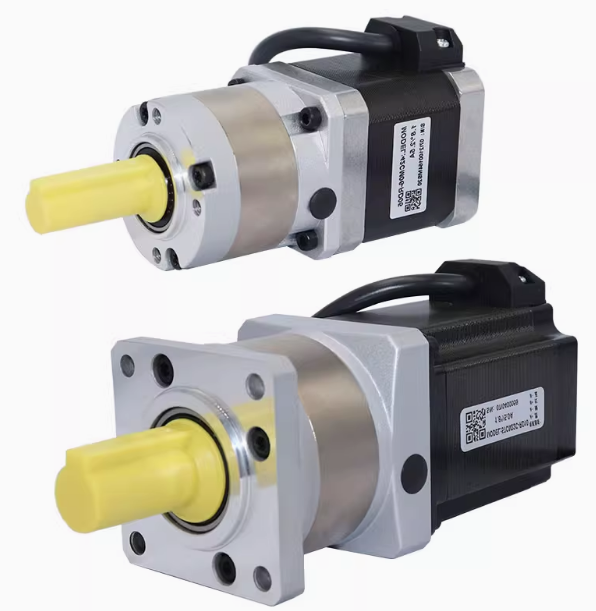
A gear reducer (gearbox) is fundamentally a torque amplifier and speed regulator. It must be used in conjunction with a motor for one core reason: motors excel at “spinning fast,” while most industrial machinery requires “spinning slowly but powerfully.” Only by working together can they convert a high-speed, low-torque power source into the low-speed, high-torque mechanical drive that equipment actually demands.
This relationship can be understood through four technical dimensions:
1. Motors Are Naturally High-Speed, Low-Torque Devices
Standard AC induction motors typically operate at 1,000–3,000 rpm; servo motors can reach 3,000–6,000 rpm. However, under rated power, a motor’s output torque is inversely proportional to its rotational speed — the faster it spins, the less torque it delivers at the shaft.
Yet most industrial loads — such as conveyor belts, mixers, hoisting mechanisms, and robotic joints — require:
- Low rotational speed (tens to hundreds of rpm)
- High torque (sufficient to pull, push, or lift heavy loads)
Without a gear reducer, connecting a motor directly to a load creates one of two failure modes:
- The speed is too high for the equipment to function properly; or
- The load is too large for the motor to handle, causing current surge, overheating, and eventual burnout.
2. The Core Function of a Gear Reducer: Speed Reduction for Torque Multiplication
Inside a gear reducer, gear sets — including planetary gears, worm gears, and helical gears — reduce rotational speed while amplifying output torque.
The fundamental equation governing this is:
Output Torque ≈ Input Torque × Gear Ratio × Transmission Efficiency
Example:
- A 1 kW motor operating at 1,500 rpm produces approximately 6.4 N·m of rated torque.
- Paired with a 30:1 gear reducer:
- Output speed drops to 50 rpm
- Output torque increases to approximately 180 N·m (accounting for efficiency losses)
This is the essential value of the gear reducer: it trades speed for torque, making it possible for a “small horse to pull a large cart.”
3. Inertia Matching and System Protection
When a motor drives a large-inertia load directly — such as a heavy drum or rotary table — the inertial shock during startup and braking is reflected back onto the motor shaft. This can cause:
- Encoder damage (in servo systems)
- Premature bearing wear
- Drive overcurrent faults and alarms
The gear reducer acts as an intermediate buffer, isolating and absorbing inertial shocks and allowing the motor to operate within a smoother, safer duty envelope.
4. Precision and Controllability
In automated equipment — such as CNC machine tools, industrial robots, and solar tracking systems — motors must control position and velocity with extreme accuracy. Gear reducers, especially precision planetary gearboxes and harmonic drives, provide two critical functions:
- Speed reduction: Each control pulse from the motor corresponds to a smaller mechanical displacement at the output, significantly improving positioning resolution.
- Backlash elimination: Through preloaded gear meshes, reverse-drive clearance is minimized, ensuring repeatable positioning accuracy.
This explains why integrated gear motors or servo motor + gear reducer packages have become the standard configuration for industrial drive systems.
What does low backlash mean for servo planetary gearbox?
Backlash refers to gear clearance. Low backlash ensures minimal lost motion during forward & reverse rotation, critical for precision positioning equipment.
Is this planetary gearbox compatible with different servo motor brands?
Yes, standard flange design supports most mainstream servo and stepper motors, customized mounting is available.
What reduction ratio should I choose?
Select the reduction ratio based on your application’s speed-torque requirements:
- 3:1 to 10:1 — High-speed indexing, packaging machinery, light robotics
- 10:1 to 30:1 — General automation, CNC axes, medium-payload robots
- 30:1 to 100:1 — Heavy lifting, slow-speed high-torque applications, wind turbine pitch
Higher ratios increase torque but reduce maximum output speed. Always verify that the resulting output speed meets your cycle time requirements.
How do I calculate the required output torque?
Use this formula:
Required Output Torque = (Load Torque + Acceleration Torque) × Safety Factor
Where:
- Load Torque = Force × Lever Arm (for rotary applications: friction + gravity components)
- Acceleration Torque = (Load Inertia × Angular Acceleration) / Reduction Ratio²
- Safety Factor = 1.5–2.0 for continuous duty; 2.0–3.0 for shock loads or emergency stops
If in doubt, contact our application engineering team with your load inertia, acceleration profile, and duty cycle — we will size the gearbox for you.
What maintenance is required?
None under normal conditions. The gearbox is lifetime-lubricated with synthetic grease and sealed to IP65. For continuous high-temperature or high-load applications, we recommend vibration monitoring (optional integrated sensor) and oil sampling every 5,000 hours if the circulating oil cooling option is installed.
What is the lead time?
Standard configurations ship from confirmed stock within 3–5 business days. Custom ratios, special mounting adapters, or ultra-precision (< 1 arcmin) units typically require 2–4 weeks. For time-critical projects, contact us to confirm live inventory before placing your order.
Why Buy From HCY Automation
- ✅ In-stock inventory — Standard sizes ready for same-day dispatch
- ✅ Application engineering support — Free sizing and selection assistance
- ✅ Custom adapter manufacturing — Any servo motor brand, 5-day turnaround
- ✅ 1-year warranty — On all standard and precision series gearboxes
- ✅ Global technical service network — Local support in North America, Europe, and Asia-Pacific
- ✅ Competitive pricing — Direct-from-factory pricing without distributor markup
| Type |
Planetary Gear Reducer, Helical Gear Reducer,Cycloidal Pinwheel Gear Reducers |
|---|---|
| Backlash |
≤3 arcmin |
| Frame sizes |
40-160mm |
| Reduction Ratio |
3:1 – 100:1 |
| Input Speed (Rpm) |
3000-6000 |
| Rated Output Torque |
3 N·m – 1,500 N·m |
| Max Output Torque |
9 N·m – 4,500 N·m |
| Max Input Speed |
4,000 rpm |
| Torsional Rigidity |
2.0 – 120 Nm/arcmin |
| Axial Load Capacity |
250 N – 12,000 N |
| Transmission Efficiency |
94–96% |
| Mounting |
ISO 9409-1 / Custom servo adapter |