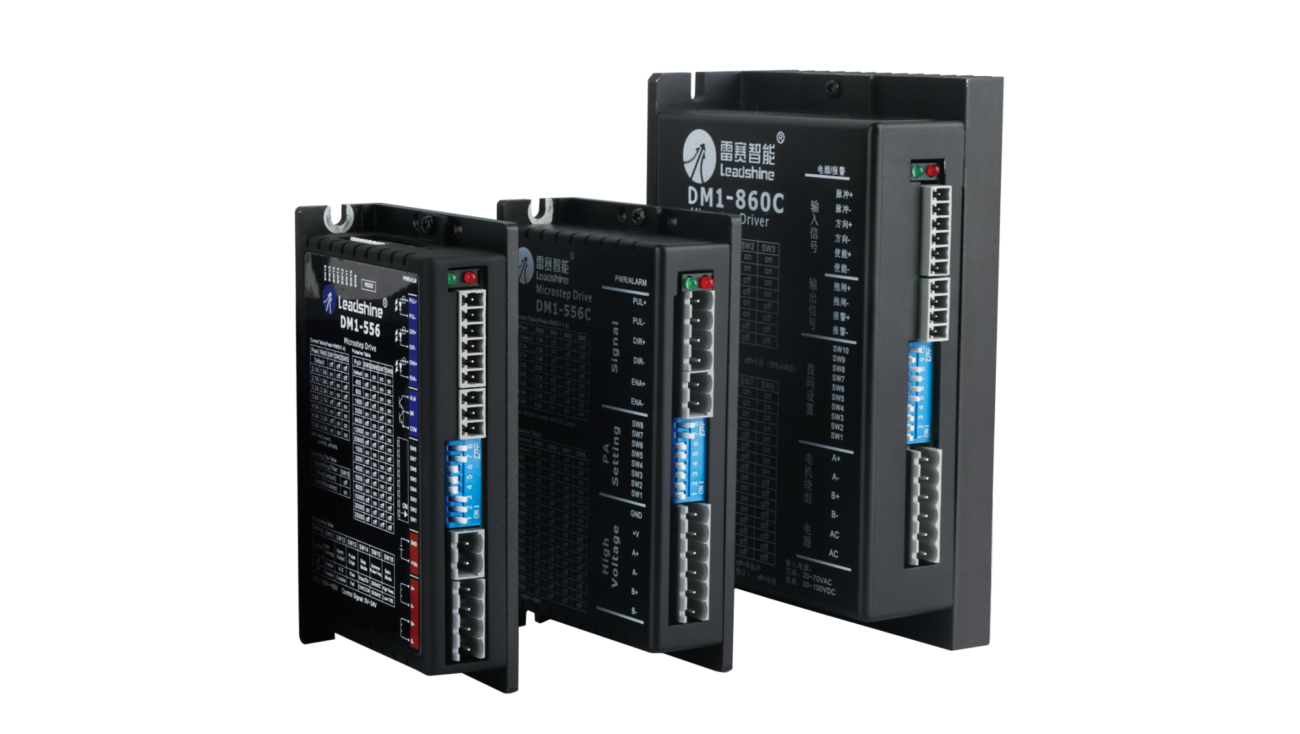
- Motion Control
- Leadshine IDM Series Integrated Smart Motor with Driver | Compact, Plug-and-Play, High Acceleration, Easy Installation
- ISV2 Series Intelligent Integrated Low Voltage Servo Motor – CANopen & RS485 Communication For Automation Solution
- Integrated Closed-Loop Stepper Motor Series Stepper motor + Drive + Controller
- Leadshine 5-Phase Stepper Motors Low Vibration for Optical Communication Modules
- Leadshine 57CME Series Closed Loop Stepper Motor | High Torque Low Heat High Stability & Consistent Performance for Precision Machine
- Leadshine 57CM Series NEMA23 Stepper Motor | High Torque Low Heat High Consistency 0.6-3.1Nm
- Leadshine MC500 PLC | EtherCAT 32-Axis Motion Controller with Dual-Core, IEC 6 Languages for 3C, PV, Lithium Battery, Logistics & Packaging Automation
- Leadshine LC Series Large PLC Controller – CODESYS Platform 256-Axis EtherCAT Motion Controller
- R Series EtherCAT Remote I/O Modules for Flexible and Scalable Industrial Automation
- Siemens AC Servo Motors | High Precision Closed-Loop Motion Control, Synchronous & Induction Motors for Robotics, CNC Machine Tools, Packaging and Semiconductor Equipment
- Panasonic MINAS A6/A7 Series AC Servo Motor 50W-22kW – 23bit Encoder, 3x Overload, IP67, 3.2kHz Response, PLC Compatible for High-Precision Industrial Automation
- Delta Servo Systems Delta PLC
- Linear Motion Module
- Precision Ball Screw Linear Slide Module
- High Precision Ball Screw Slide Table Heavy Duty Linear Module for Industrial Automation CNC Equipment Parts
- Cleanroom Ball Screw Linear Module, Low Particle Release High Rigidity Dustless Linear Actuator for Semiconductor Medical Industrial Automation Equipment
- Industrial Gear Reducer
- High Precision Planetary Gear Reducer With Low Backlash, High Torque Density for Robotics & CNC Automation
- Helical Gear Reducer – Low Noise Heavy Duty Modular Design Industrial Gearbox with Easy Maintenance
- Industrial Modular Helical Gear Reducer – Smooth Transmission, Strong Overload Resistance & Flexible Mounting, Suitable for Chemical, Textile & Heavy-Duty Equipment
- Robotic Arm
- Vision & Sensor Systems
- SICK Vision Sensor for High-Precision Machine High Accuracy Detection & Positioning for Smart Factories & Robotics
- SICK Photoelectric Sensor Safety Light Curtains – IP67 Safety Protection for Machine Guarding
- Hikvision CU Series Cost-Effective Industrial Camera Built-in ISP Algorithm with WDR GigE Vision & USB3.0 Interface for Industrial Machine Vision
- Pneumatic Components
- Airtac Air Source Treatment Three-in-One Unit Preparation Units Filter Regulator & Lubricator for Industrial Automation Systems
- AIRTAC Solenoid Valve | Direct/Semi-Direct/Pilot Operated, Leak-Proof & Explosion-Proof DN50, Industrial Fluid Control for Automation, Chemical & Mechanical Piping
- Pneumatic Slide Table Cylinder – ±0.01mm Precision Compact Integrated High Rigidity Durable for Automation
Hot
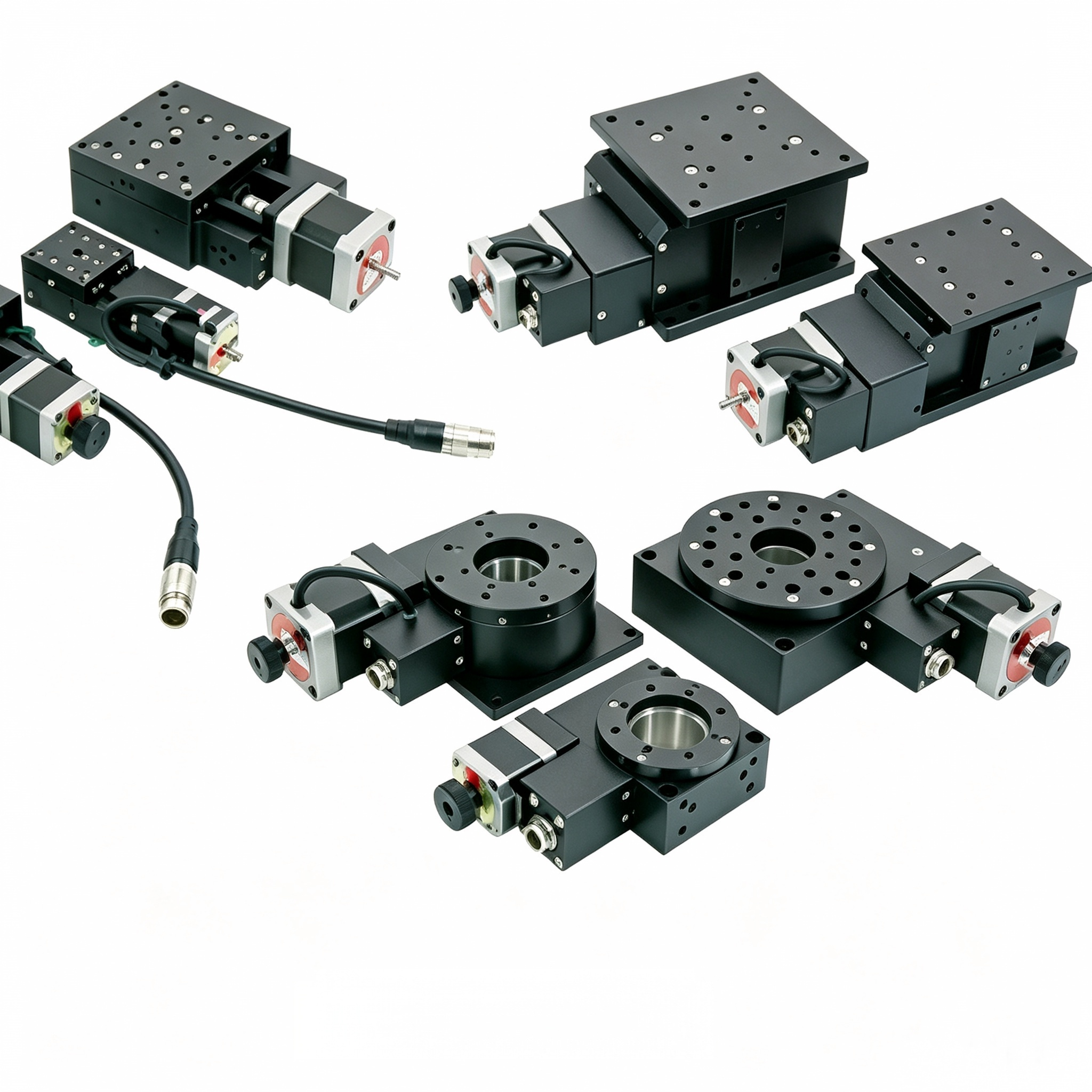
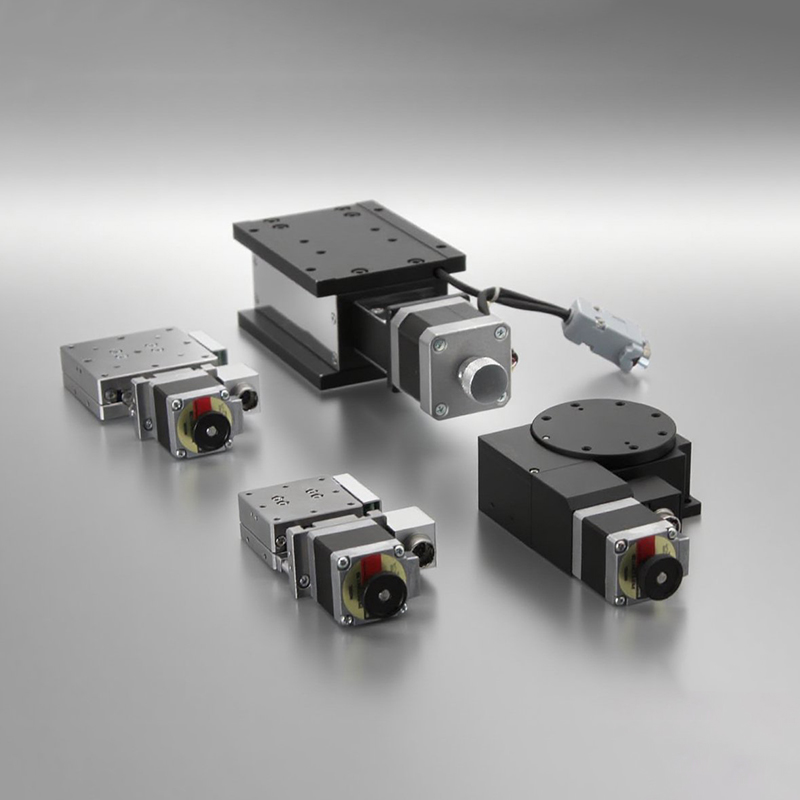
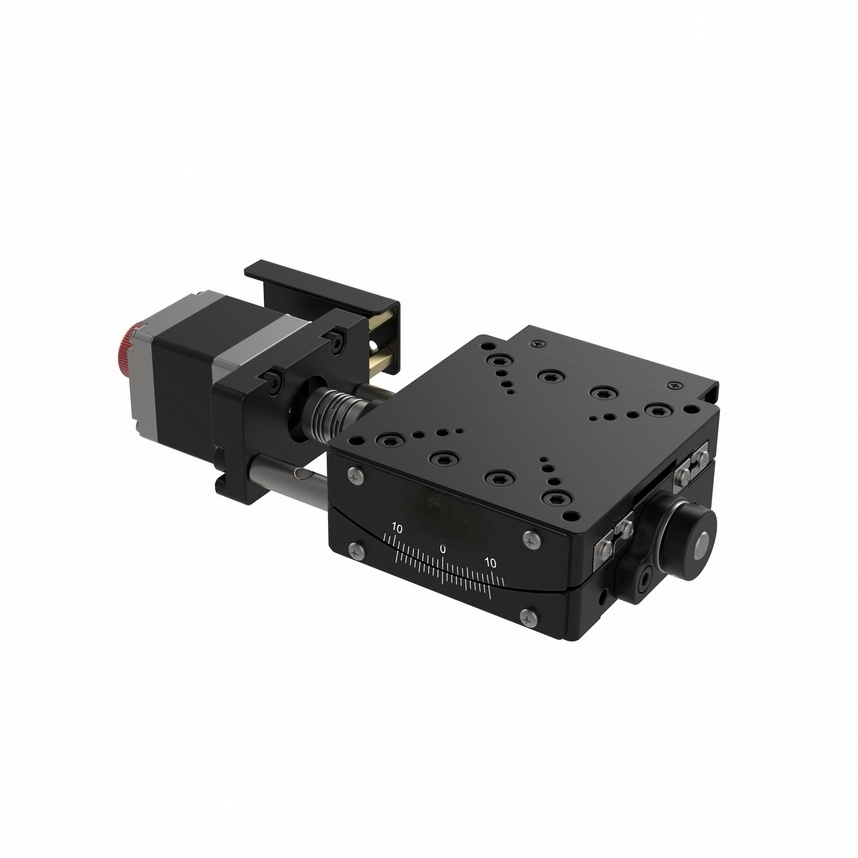
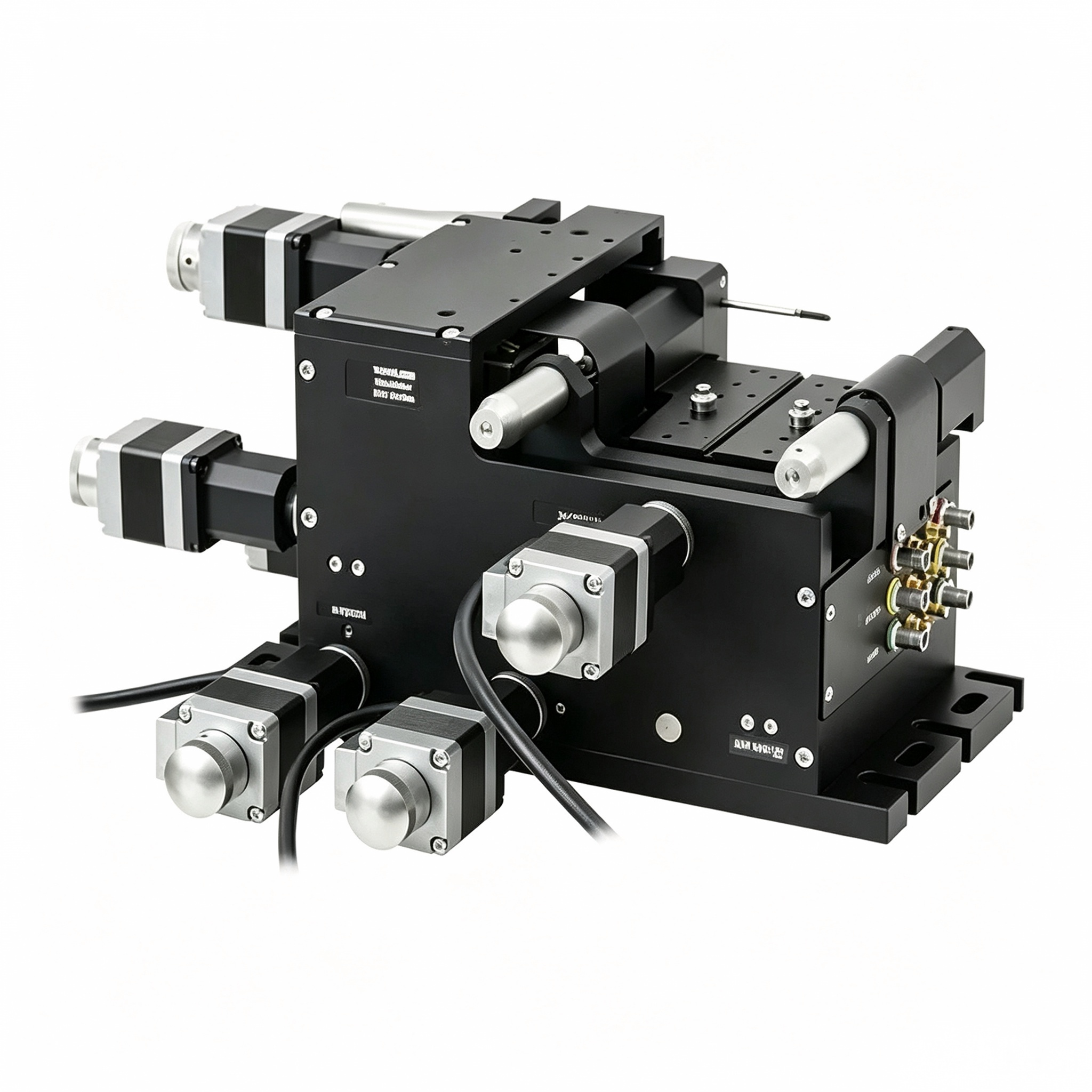
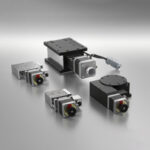
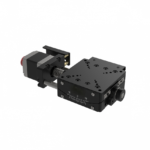
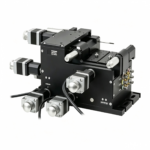
Motorized Linear Stage for Precision Motion Control
A High Precision Motorized Linear Positioning Stage, also known as an electric linear stage or motorized translation stage, is a precision motion device designed for accurate and repeatable linear positioning.
It integrates a precision stage, drive motor, transmission system, guideway, and motion controller to provide programmable control of position, speed, and acceleration.
Available with stepper, servo, brushless, or direct-drive motors, motorized stages are widely used in optical alignment, laboratory automation, laser processing, machine vision, precision measurement, and industrial inspection.
Working Principle & Performance
The controller sends motion commands to the motor, which drives the precision transmission mechanism to move the platform along the guideway.
Ball screws, ground screws, linear guideways, or crossed-roller guides ensure smooth and stable motion. Optional encoders or linear scales provide closed-loop position feedback for improved positioning accuracy and repeatability.
Key performance features
High positioning accuracy and repeatability
Micron- to nanometer-level resolution options
Flexible travel range and load capacity
Programmable speed and acceleration
Smooth, stable linear motion
Single-axis and multi-axis configurations
Core Advantages
High-Precision Positioning
Precise electronic control enables repeatable positioning for demanding motion applications.
Automated Motion Control
Connect with PCs, PLCs, motion controllers, and automation systems for programmable operation.
Rigid & Stable Construction
Precision-machined bases and linear guideways reduce unwanted motion and improve travel stability.
Flexible Drive Options
Stepper, servo, brushless, and direct-drive configurations are available for different speed, torque, and accuracy requirements.
Closed-Loop Control
Encoders or linear scales provide real-time position feedback for advanced positioning applications.
Multi-Axis Integration
Combine multiple stages to build XY, XYZ, or customized multi-axis positioning systems.
Applications
Optics & Photonics — Lens, mirror, fiber, and optical alignment
Scientific Research — Automated sample and instrument positioning
Laser Processing — Programmable movement for laser cutting, marking, and engraving
Machine Vision — Automated inspection and multi-position imaging
Semiconductor & Electronics — Precision positioning and inspection
Metrology — Automated measurement and scanning
Industrial Automation — Assembly, testing, dispensing, and material positioning
Special Environments — Customized solutions for cleanroom, vacuum, sterile, and radiation-sensitive applications
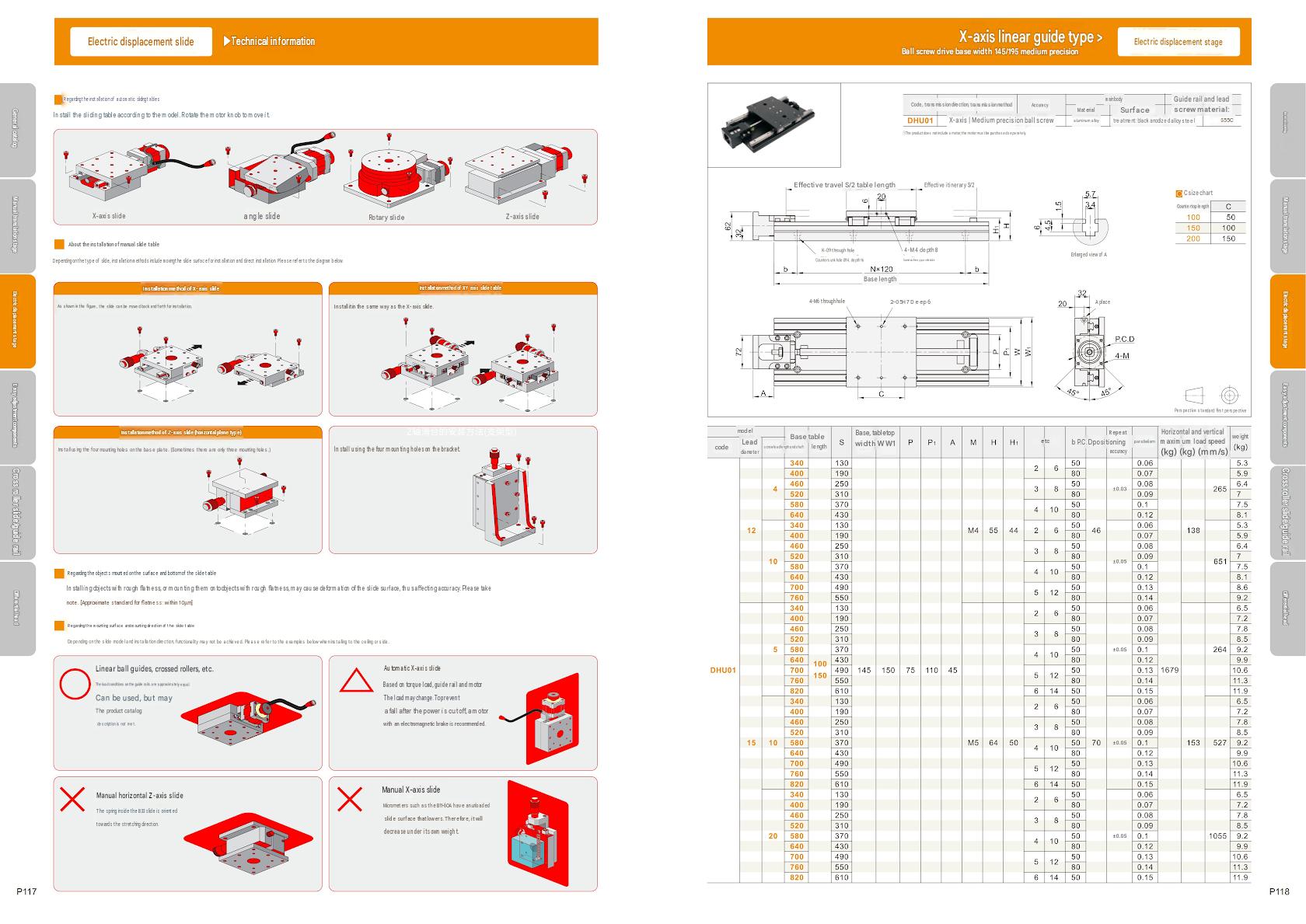
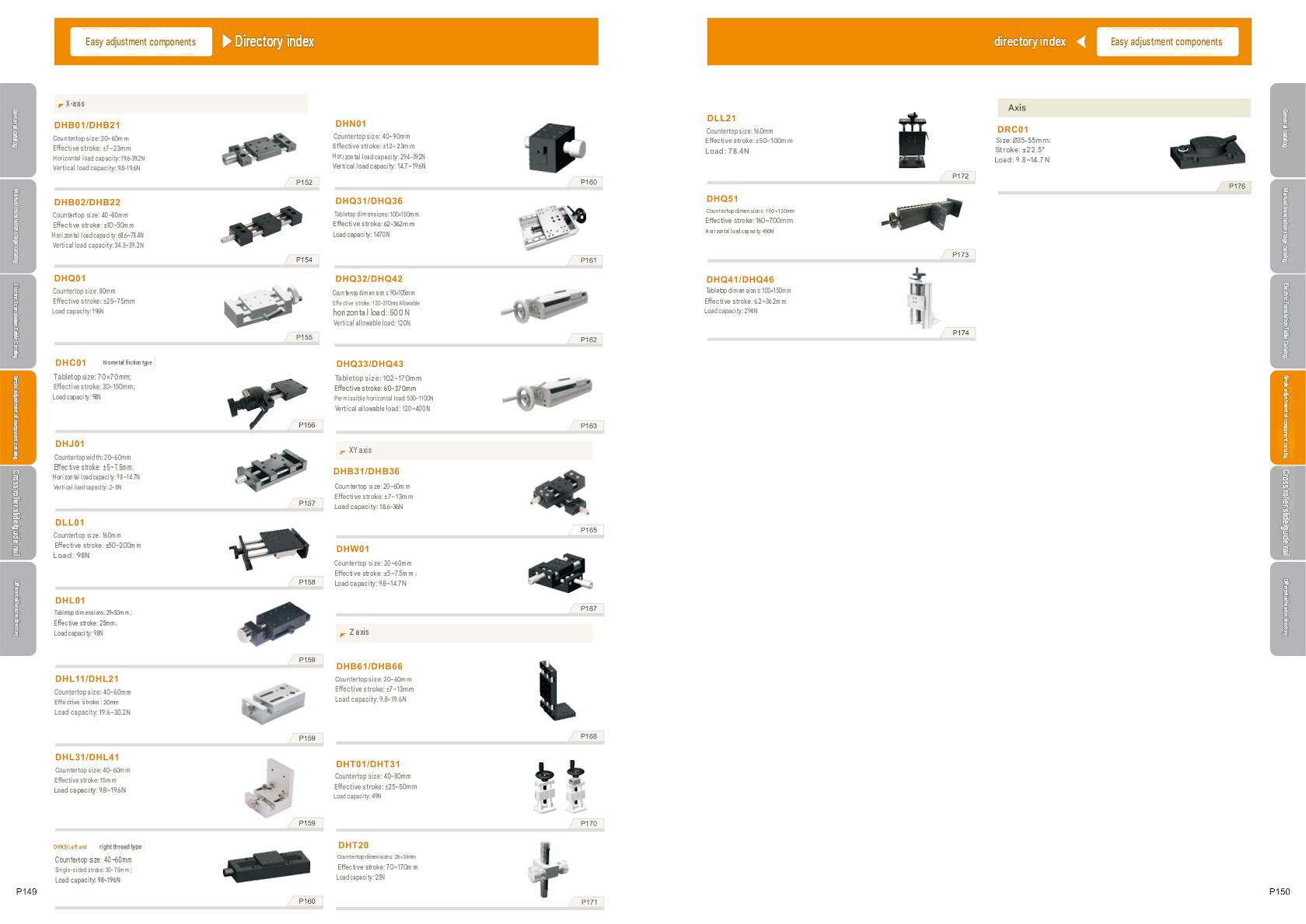
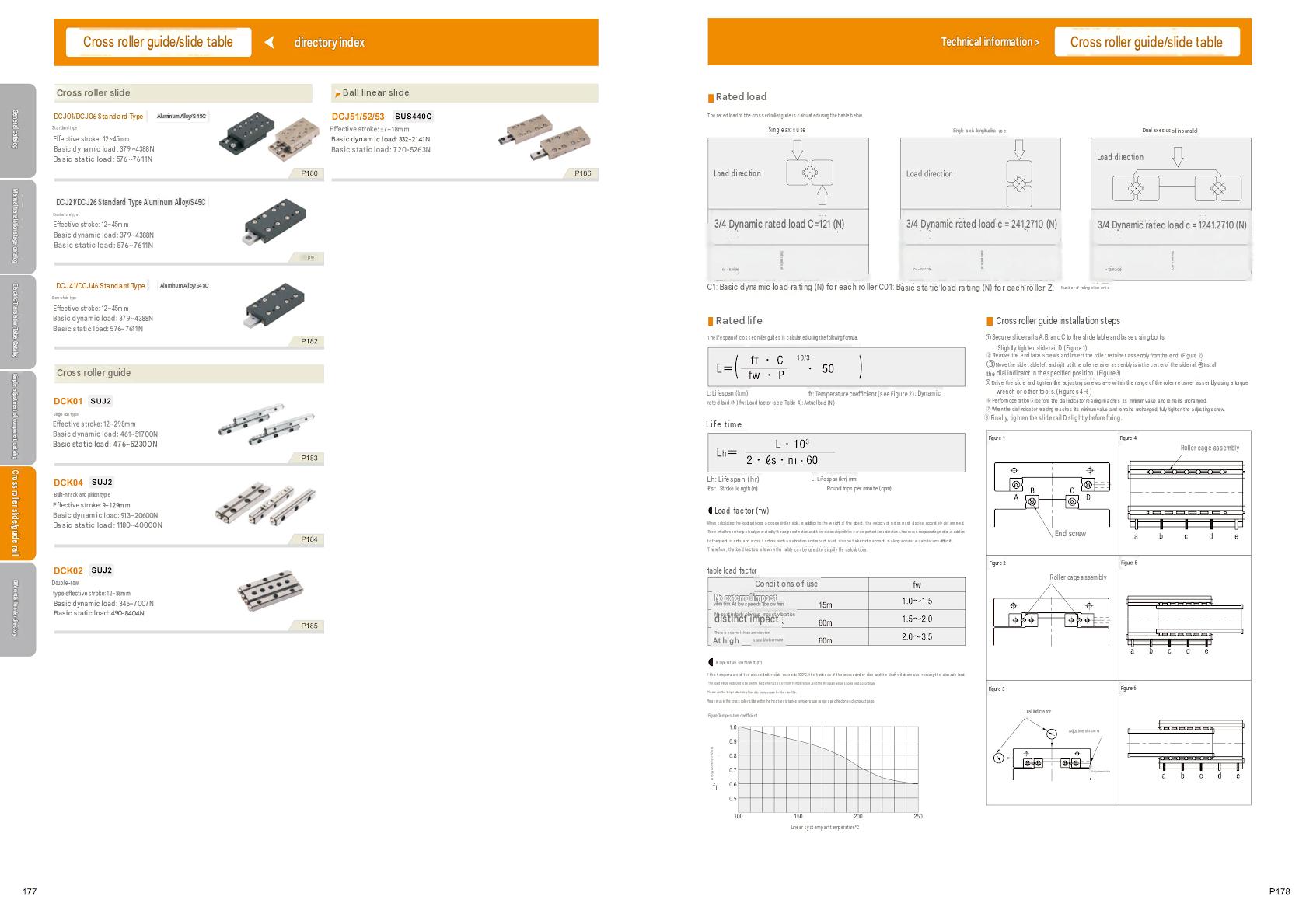
Technical Parameters
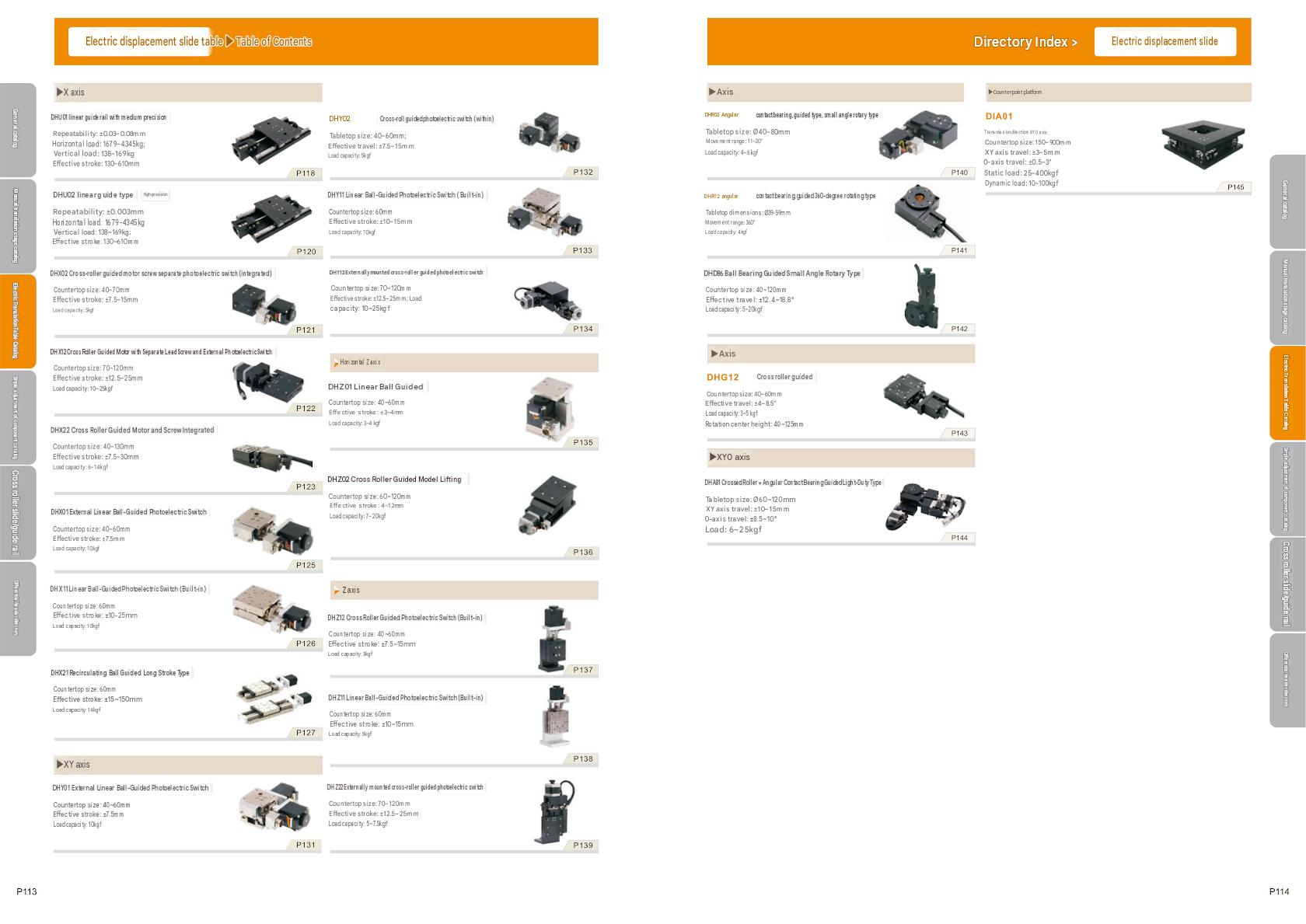
How to Choose a Motorized Linear Stage
Select a motorized linear stage according to the required:
Travel range
Positioning accuracy
Repeatability
Resolution
Load capacity
Maximum speed
Acceleration
Drive mechanism
Motor type
Position feedback
Operating environment
Single-axis or multi-axis configuration
Customized solutions are available for specialized motion and integration requirements.
Motorized Linear Stage VS Manual Linear Stage— Comparison
| Motorized Linear Stage VS Manual Linear Stage— Comparison | |||
| Comparison Dimension | Manual Linear Stage | Motorized Linear Stage | Best Suited For |
| Power Supply | No power required; fully hand-operated | Requires external power supply and motor driver | Manual: field / lab setups without power; Motorized: automated production lines |
| Electromagnetic Interference (EMI) | Zero EMI; no circuit noise, ideal for weak laser / fiber signals | Generates EMI and electrical noise that may interfere with sensitive optical signals | Manual: photonics, fiber coupling, optical alignment; Motorized: non-optical automation |
| Positioning Accuracy | Micron-level via micrometer screw / differential head; depends on operator skill | Sub-micron to nanometer repeatability with closed-loop encoder feedback | Manual: static precision calibration; Motorized: high-repeatability dynamic positioning |
| Control Method | Handwheel / micrometer manual adjustment; DIP or mechanical lock | Pulse / IO / bus control via PLC, motion controller or PC software | Manual: simple one-off adjustment; Motorized: programmable multi-axis motion |
| Automation Level | Manual only; no automated cycles | Fully automated; supports program recipes, batch cycles and remote control | Manual: R&D, prototyping, low-volume; Motorized: mass production, 24/7 operation |
| Motion Speed | Low; limited by manual turning speed | High; configurable velocity, acceleration and trapezoidal motion profiles | Manual: static alignment; Motorized: high-throughput pick & place, scanning |
| Cost | Low cost; simple mechanical structure, no electronics | Higher cost; includes motor, encoder, driver and controller | Manual: budget-sensitive labs / startups; Motorized: ROI-driven production |
| Footprint & Integration | Compact, lightweight, easy to stack and integrate into optical breadboards | Larger due to motor, coupling and cable management; requires wiring | Manual: space-limited optical benches; Motorized: cabinet / gantry systems |
| Programming Required | No programming; plug-and-play mechanical operation | Requires parameter tuning, motion programming and driver configuration | Manual: users without motion-control expertise; Motorized: engineering teams |
| Heat Generation | No heat generation during operation | Motor and driver generate heat; may require cooling in long-run scenarios | Manual: thermally sensitive optical experiments; Motorized: general automation |
| Response Time | Slow; depends on operator reaction and handwheel turns | Fast; millisecond-level response to control signals | Manual: non-time-critical setup; Motorized: real-time / high-cycle tasks |
| Load Capacity | Low to medium; constrained by manual drive torque and structure | Medium to high; motor torque supports heavier payloads | Manual: light optical components; Motorized: heavy fixtures / multi-axis stages |
| Repeatability | Moderate; operator-dependent, lower batch consistency | Excellent; closed-loop feedback ensures high batch-to-batch repeatability | Manual: single-point calibration; Motorized: repetitive manufacturing steps |
| Maintenance | Minimal; periodic lubrication of guide rail only | More maintenance; motor, encoder, driver and cabling require periodic check | Manual: long-life low-upkeep use; Motorized: scheduled maintenance programs |
| Typical Applications | Optical experiments, fiber coupling, laser alignment, university labs, semiconductor wafer manual fine-tuning, biomedical microscopy | Automated inspection, 3C assembly, laser engraving, PV / lithium battery production, semiconductor handling, CNC machining | Choose based on automation need, EMI sensitivity and throughput target |
| Ideal Use Case Summary | Precision static alignment where EMI-free, low-cost and compact manual tuning is prioritized | Dynamic, high-throughput, programmable positioning where speed and repeatability dominate | — |
Frequently Asked Questions
What is a motorized linear stage?
A motorized linear stage is an electrically driven positioning device used for precise and repeatable linear motion.
What is the difference between a motorized and manual stage?
Motorized stages provide programmable electronic control, while manual stages require hand adjustment.
What motors are commonly used?
Stepper, servo, brushless, and direct-drive motors can be selected according to speed, torque, accuracy, and control requirements.
Can motorized stages be used in multi-axis systems?
Yes. Multiple stages can be combined into XY, XYZ, and customized multi-axis positioning systems.
Where are motorized stages used?
They are widely used in optics, photonics, laser processing, machine vision, scientific research, semiconductor inspection, metrology, and industrial automation.
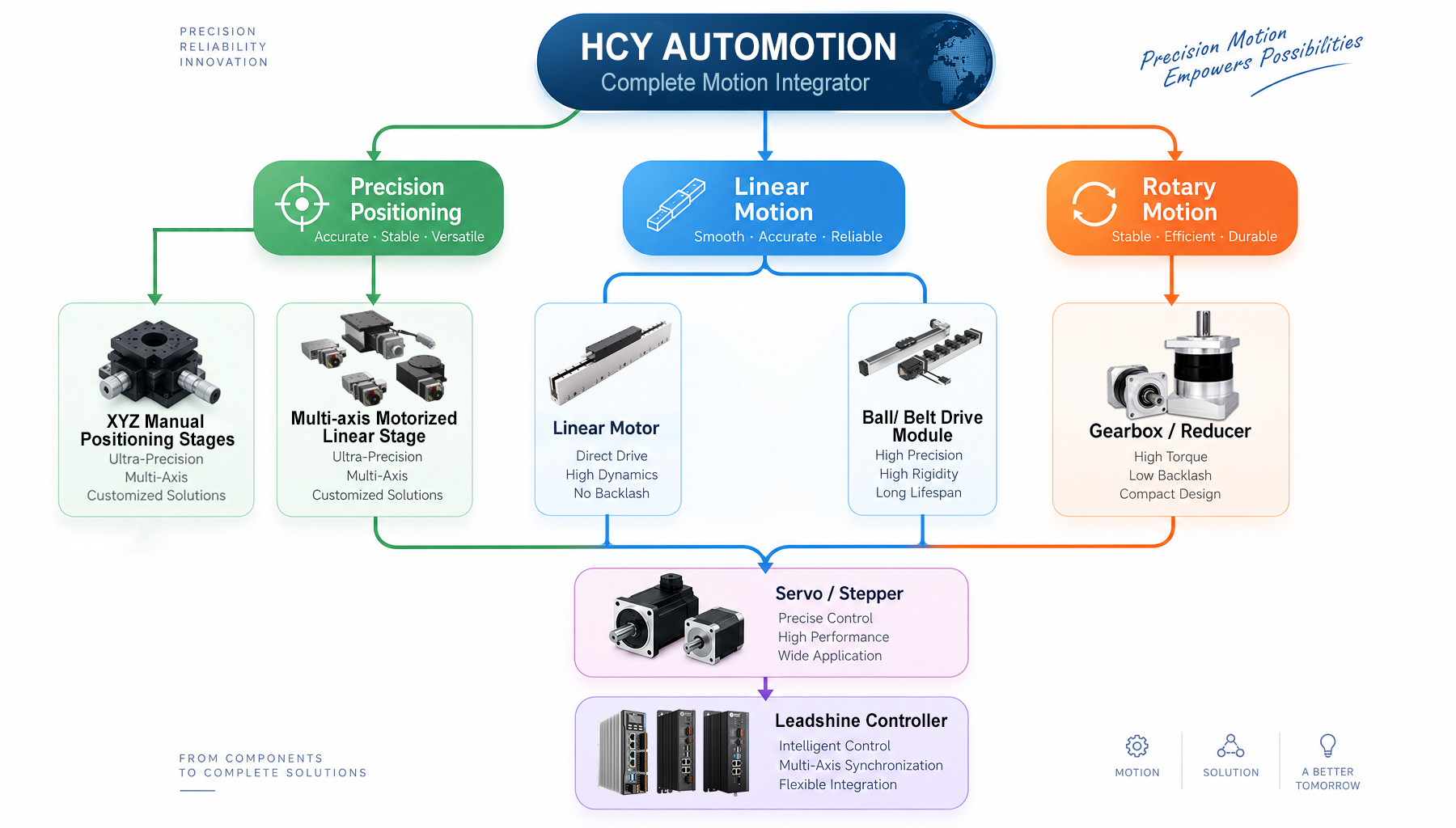
HCY Automation — Your Complete Motion Integrator
At HCY Automation, we go beyond individual motion components. We provide complete motion solutions covering motion control, motor drive, linear motion, positioning stages, and multi-axis systems,Flexible OEM Solutions
| Product Type |
Motorized Linear Stage |
|---|---|
| Motion Type |
Linear Motion |
| Drive Type |
Ball Screw / Direct Drive |
| Motor Type |
Stepper Motor / Servo Motor |
| Number of Axes |
Single Axis / XY / XYZ, 4-Axis, 6-Axis |
| Travel Range(mm) |
±7.5‑150 |
| Repeatability (mm) |
±0.02‑0.03 |
| Horizontal Load (kg) |
138‑434 |
| Vertical Load (kg) |
138‑169 |