- Motion Control
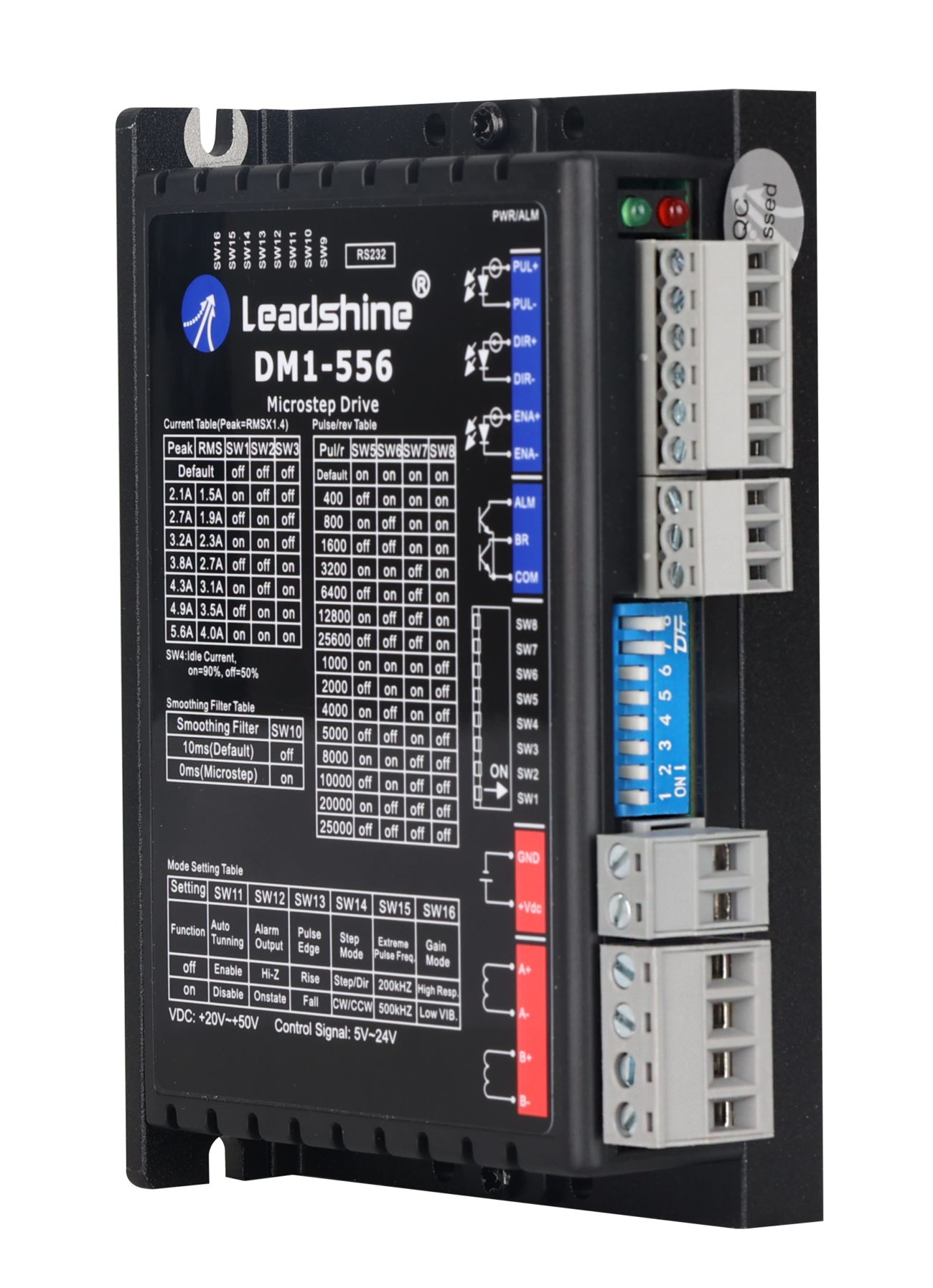
- Leadshine IDM Series Integrated Smart Motor with Driver | Compact, Plug-and-Play, High Acceleration, Easy Installation
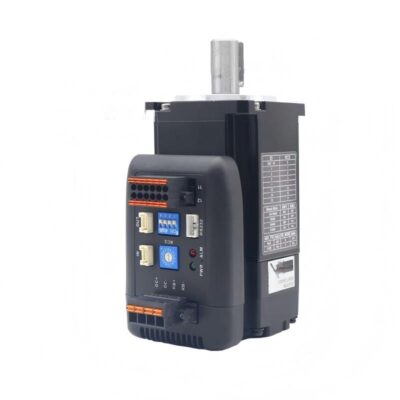
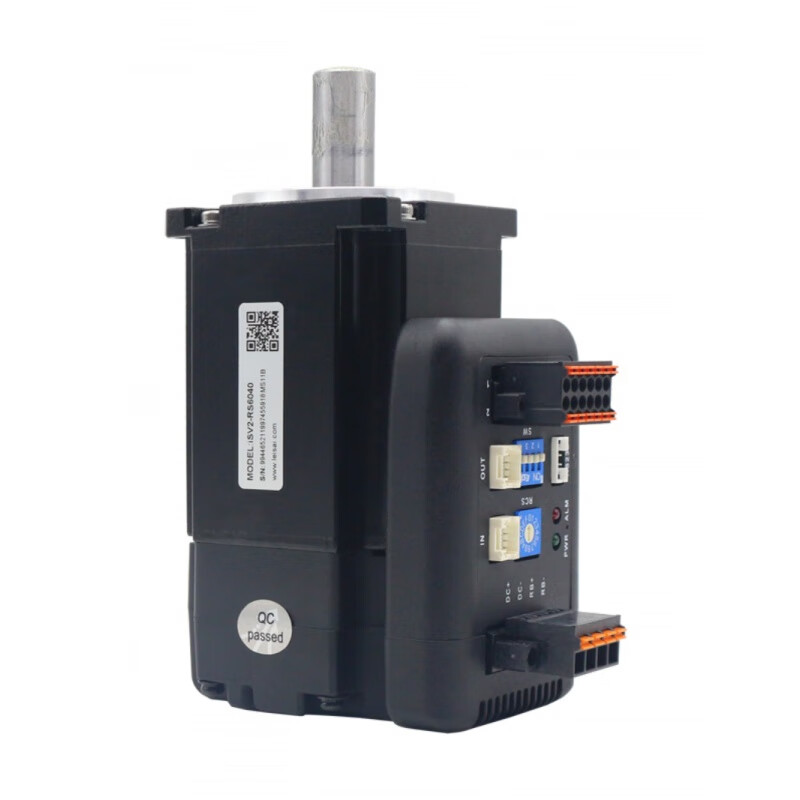
- ISV2 Series Intelligent Integrated Low Voltage Servo Motor – CANopen & RS485 Communication For Automation Solution
- Integrated Closed-Loop Stepper Motor Series Stepper motor + Drive + Controller
- Leadshine 5-Phase Stepper Motors Low Vibration for Optical Communication Modules
- Leadshine 57CME Series Closed Loop Stepper Motor | High Torque Low Heat High Stability & Consistent Performance for Precision Machine
- Leadshine 57CM Series NEMA23 Stepper Motor | High Torque Low Heat High Consistency 0.6-3.1Nm
- Leadshine MC500 PLC | EtherCAT 32-Axis Motion Controller with Dual-Core, IEC 6 Languages for 3C, PV, Lithium Battery, Logistics & Packaging Automation
- Leadshine LC Series Large PLC Controller – CODESYS Platform 256-Axis EtherCAT Motion Controller
- R Series EtherCAT Remote I/O Modules for Flexible and Scalable Industrial Automation
- Siemens AC Servo Motors | High Precision Closed-Loop Motion Control, Synchronous & Induction Motors for Robotics, CNC Machine Tools, Packaging and Semiconductor Equipment
- Panasonic MINAS A6/A7 Series AC Servo Motor 50W-22kW – 23bit Encoder, 3x Overload, IP67, 3.2kHz Response, PLC Compatible for High-Precision Industrial Automation
- Delta Servo Systems Delta PLC
- Linear Motion Module
- Precision Ball Screw Linear Slide Module
- High Precision Ball Screw Slide Table Heavy Duty Linear Module for Industrial Automation CNC Equipment Parts
- Cleanroom Ball Screw Linear Module, Low Particle Release High Rigidity Dustless Linear Actuator for Semiconductor Medical Industrial Automation Equipment
- Industrial Gear Reducer
- High Precision Planetary Gear Reducer With Low Backlash, High Torque Density for Robotics & CNC Automation
- Helical Gear Reducer – Low Noise Heavy Duty Modular Design Industrial Gearbox with Easy Maintenance
- Industrial Modular Helical Gear Reducer – Smooth Transmission, Strong Overload Resistance & Flexible Mounting, Suitable for Chemical, Textile & Heavy-Duty Equipment
- Robotic Arm
- Vision & Sensor Systems
- SICK Vision Sensor for High-Precision Machine High Accuracy Detection & Positioning for Smart Factories & Robotics
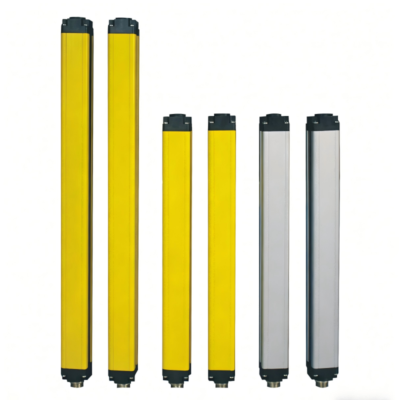
- SICK Photoelectric Sensor Safety Light Curtains – IP67 Safety Protection for Machine Guarding
- Hikvision CU Series Cost-Effective Industrial Camera Built-in ISP Algorithm with WDR GigE Vision & USB3.0 Interface for Industrial Machine Vision
- Pneumatic Components
- Airtac Air Source Treatment Three-in-One Unit Preparation Units Filter Regulator & Lubricator for Industrial Automation Systems
- AIRTAC Solenoid Valve | Direct/Semi-Direct/Pilot Operated, Leak-Proof & Explosion-Proof DN50, Industrial Fluid Control for Automation, Chemical & Mechanical Piping
- Pneumatic Slide Table Cylinder – ±0.01mm Precision Compact Integrated High Rigidity Durable for Automation
Hot
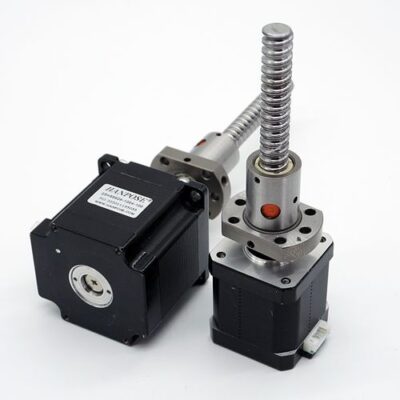
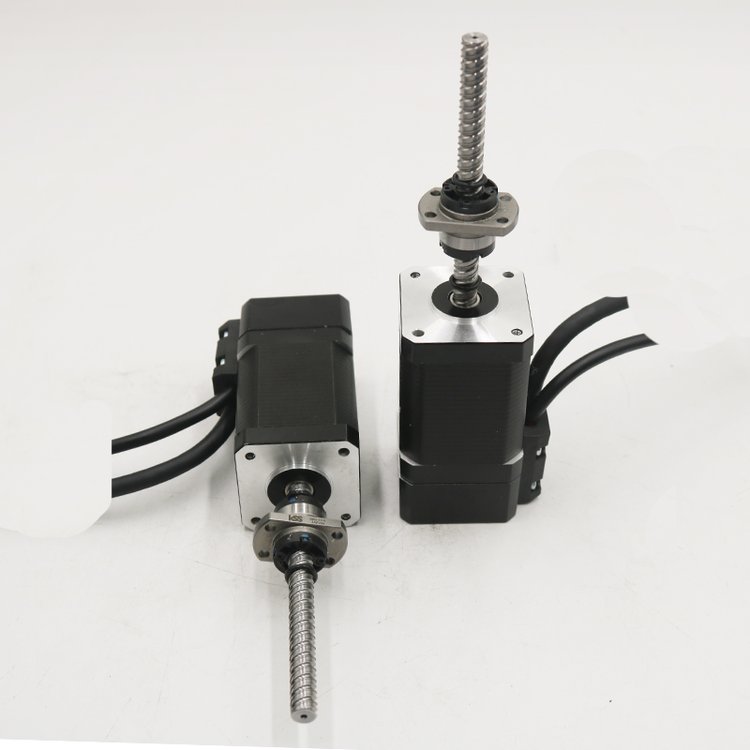
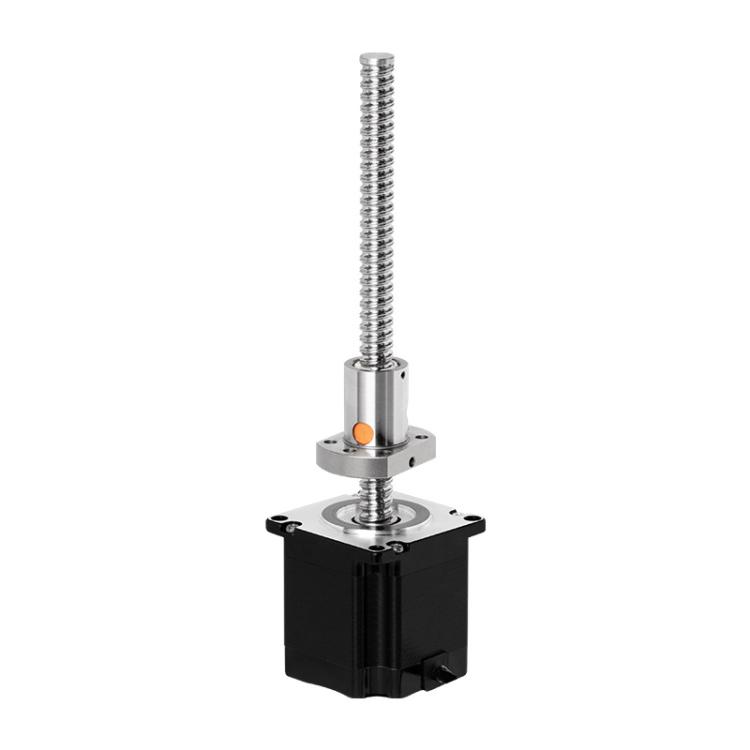
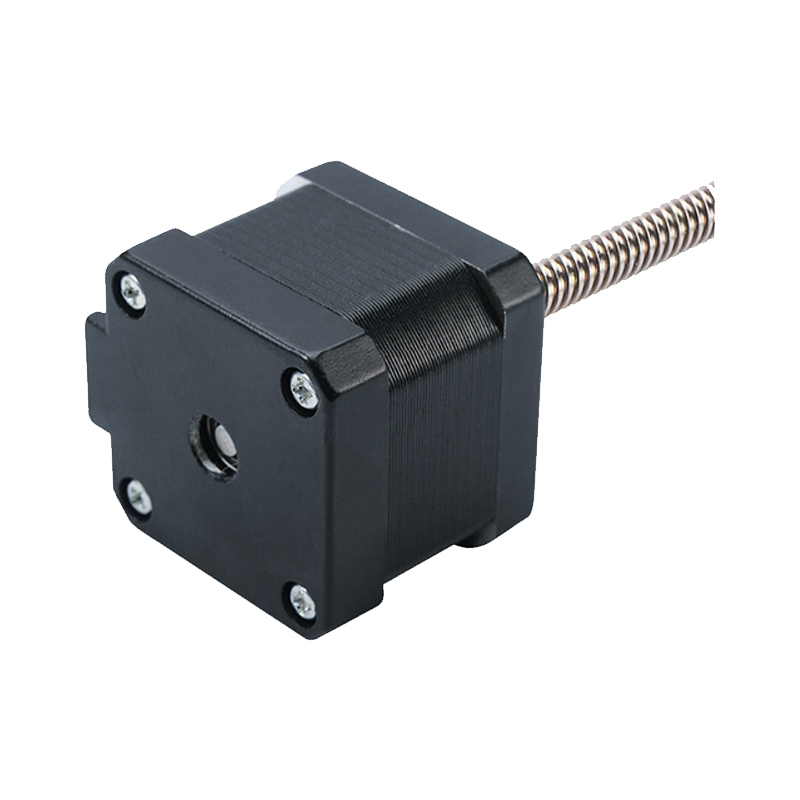
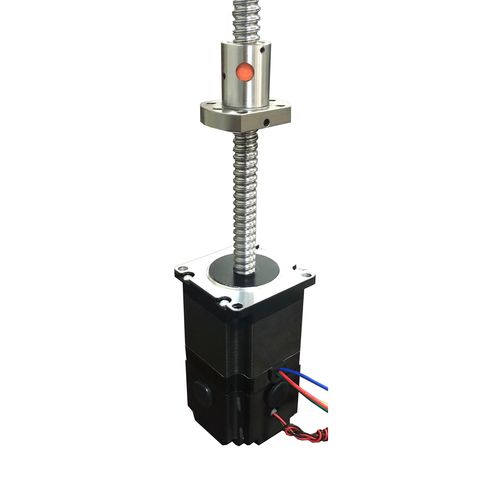
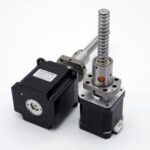
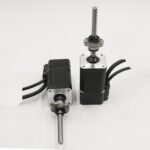
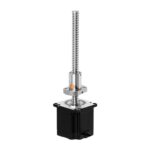
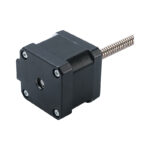
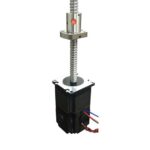
High-precision lead screw linear stepper motor with captive/non-captive/external structure, 0.1μm positioning accuracy, power-off self-locking, ball screw optional, open/closed loop control for automation, semiconductor, medical, 3D printing & lab precision positioning
Lead Screw Linear Stepper Motor, also named screw-driven linear stepper actuator, is a compact integrated electromechanical actuator that converts electromagnetic pulse signals into precise linear displacement. It was first patented in 1968, combining hybrid stepper motor core and precision lead screw transmission assembly as an all-in-one linear motion unit, eliminating complicated external connecting components like couplings, belts and transmission frames.
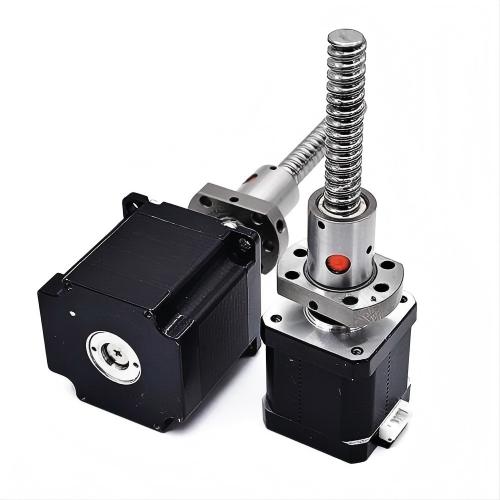
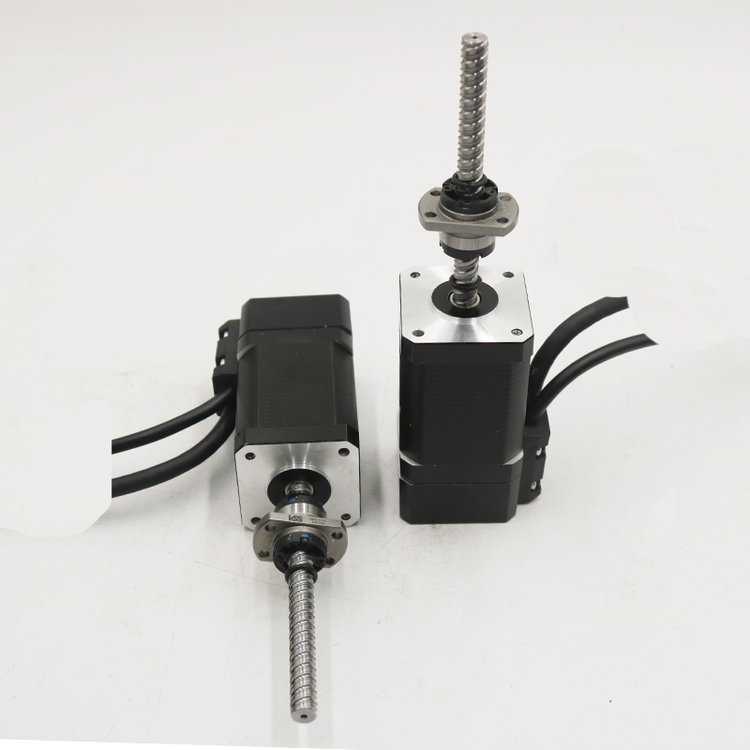
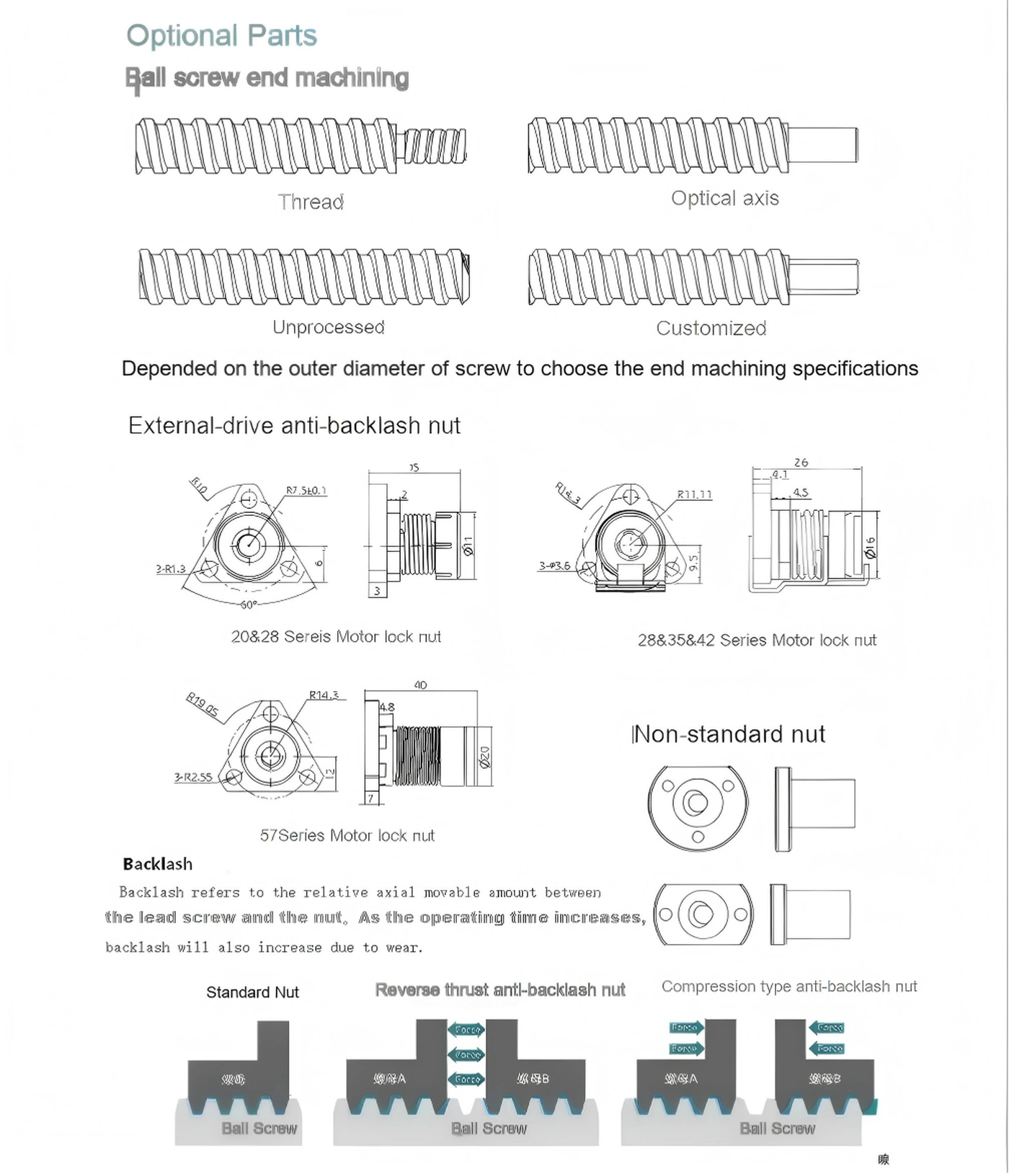
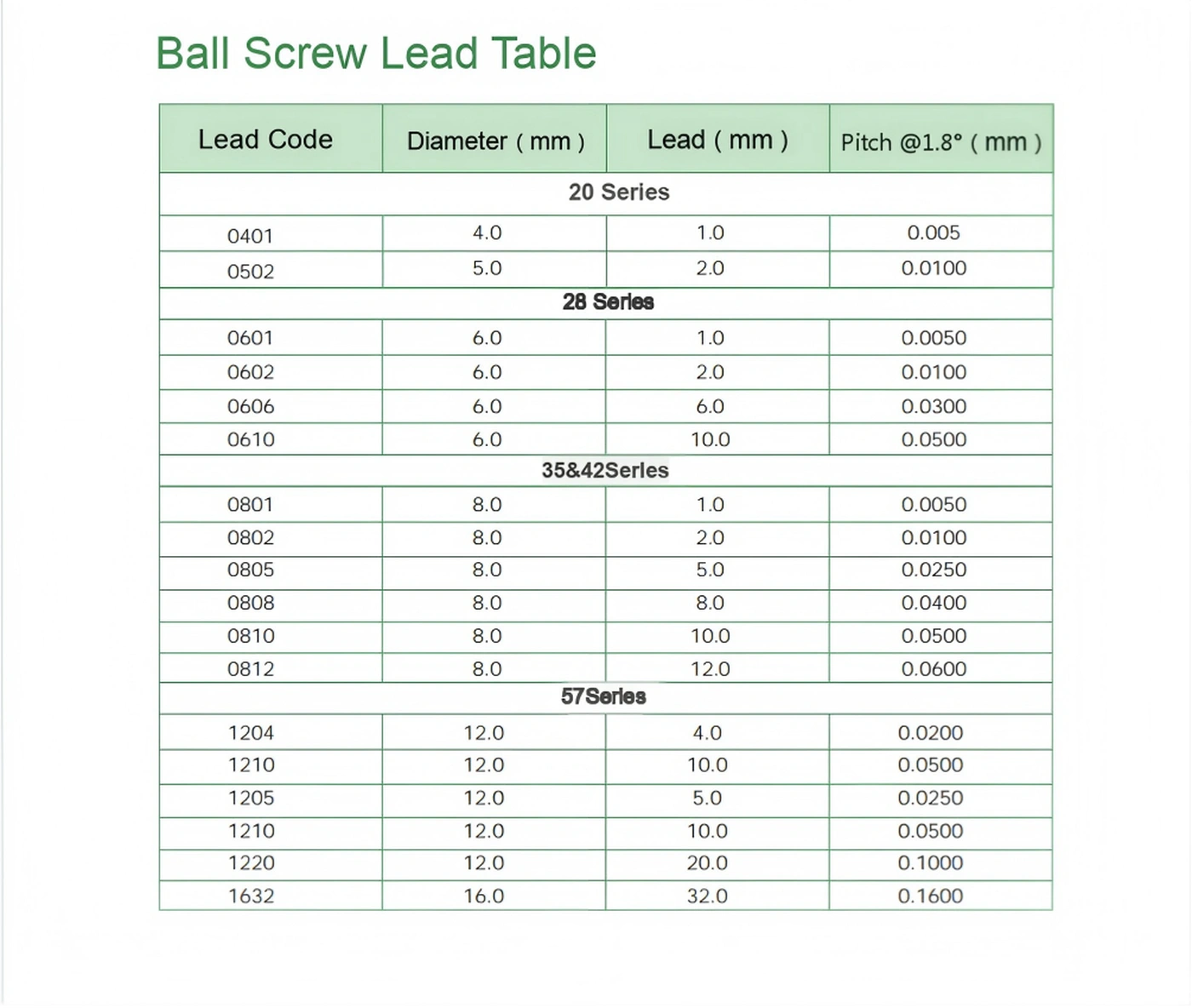
We supply 3 mainstream mechanical configurations: through-shaft (captive), external drive (non-captive), fixed shaft, covering standard frame sizes: 20mm, 28mm, 35mm, 42mm(NEMA17), 57mm(NEMA23), 86mm(NEMA34). The meshing parts adopt self-lubricating POM/polyacetal wear-resistant materials; upgraded ball screw version delivers ultra-high transmission efficiency and rigidity.
Available in open-loop stepping drive and integrated closed-loop smart linear stepper motor (built-in encoder, driver & controller, bus communication supported). Widely adopted for micro & industrial precision linear positioning scenarios, delivering stable, repeatable linear movement without extra mechanical linkage design.
Working Principle & Performance Specification
1. Core Operating Principle
- The stator winding receives pulse electrical signals to generate alternating magnetic fields, driving the permanent magnetic rotor to rotate step by step;
- Rotational motion is converted into axial linear displacement via screw-nut meshing pair;
- Anti-rotation limit structure (keyway/spline) prevents relative rotation between screw and nut, so rotational force is fully converted into straight-line travel.
Three structural motion logic:
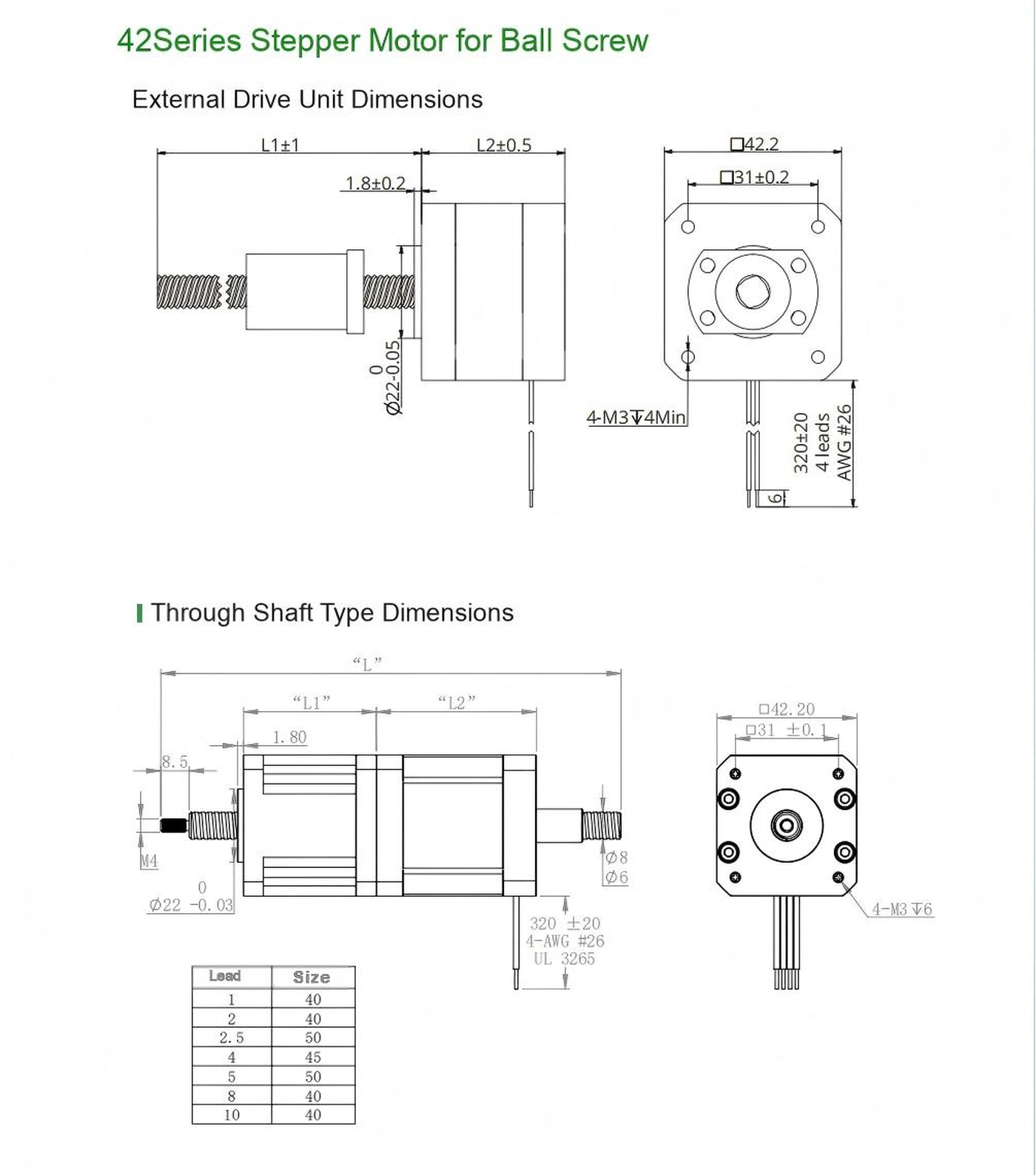
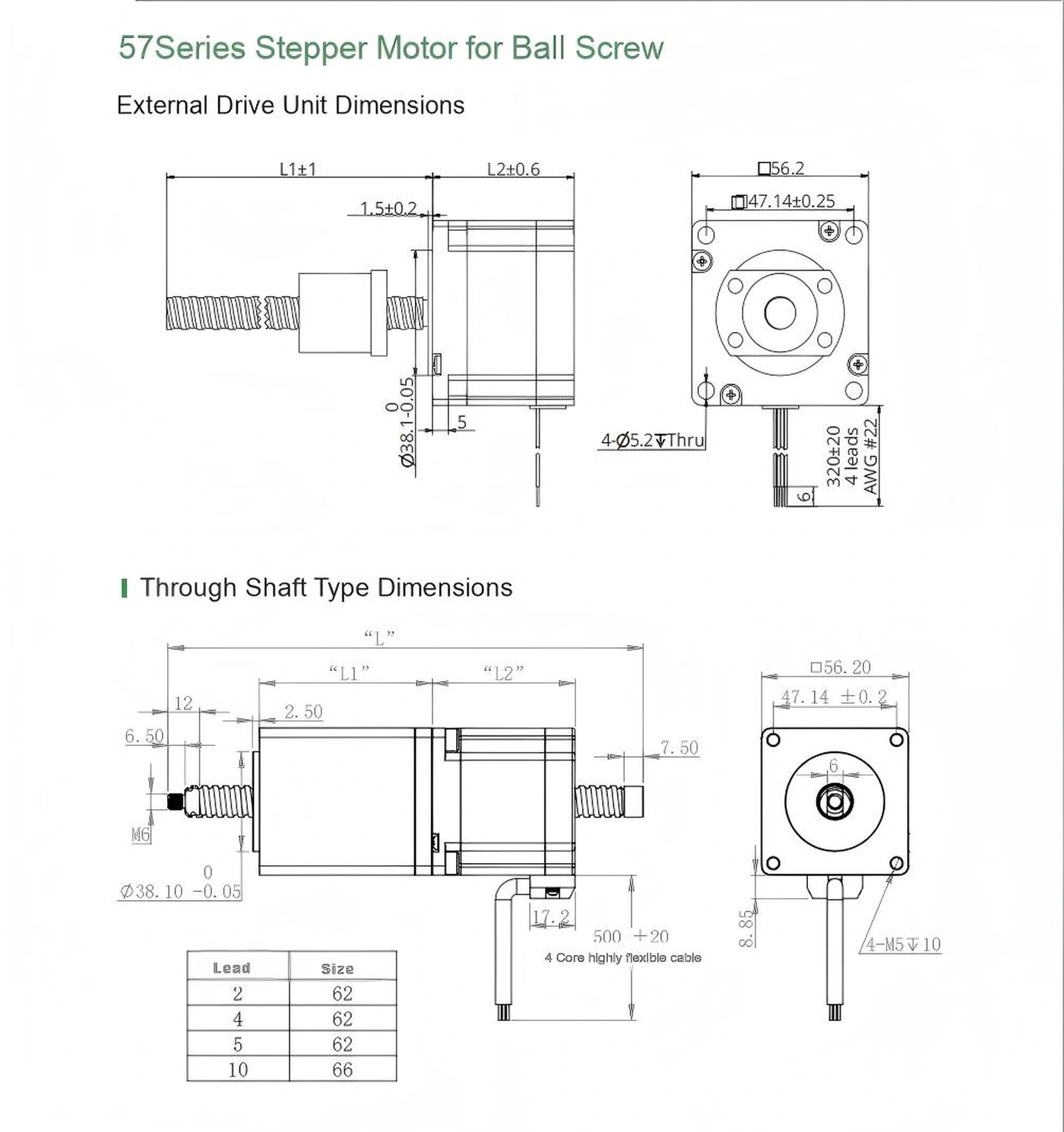
- Through-shaft (Captive): Nut is embedded inside the motor rotor and rotates synchronously, pushing the lead screw to perform linear reciprocating motion;
- External Drive (Non-Captive): Lead screw is fixed on the motor output shaft and rotates with the rotor, the external nut slides linearly along the screw rod;
- Fixed Shaft Type: Rotor meshes with the fixed lead screw via internal thread, end cover keyway restricts screw rotation, only pure axial linear output is realized.
2. Self-Locking Mechanism (Core Technical Highlight)
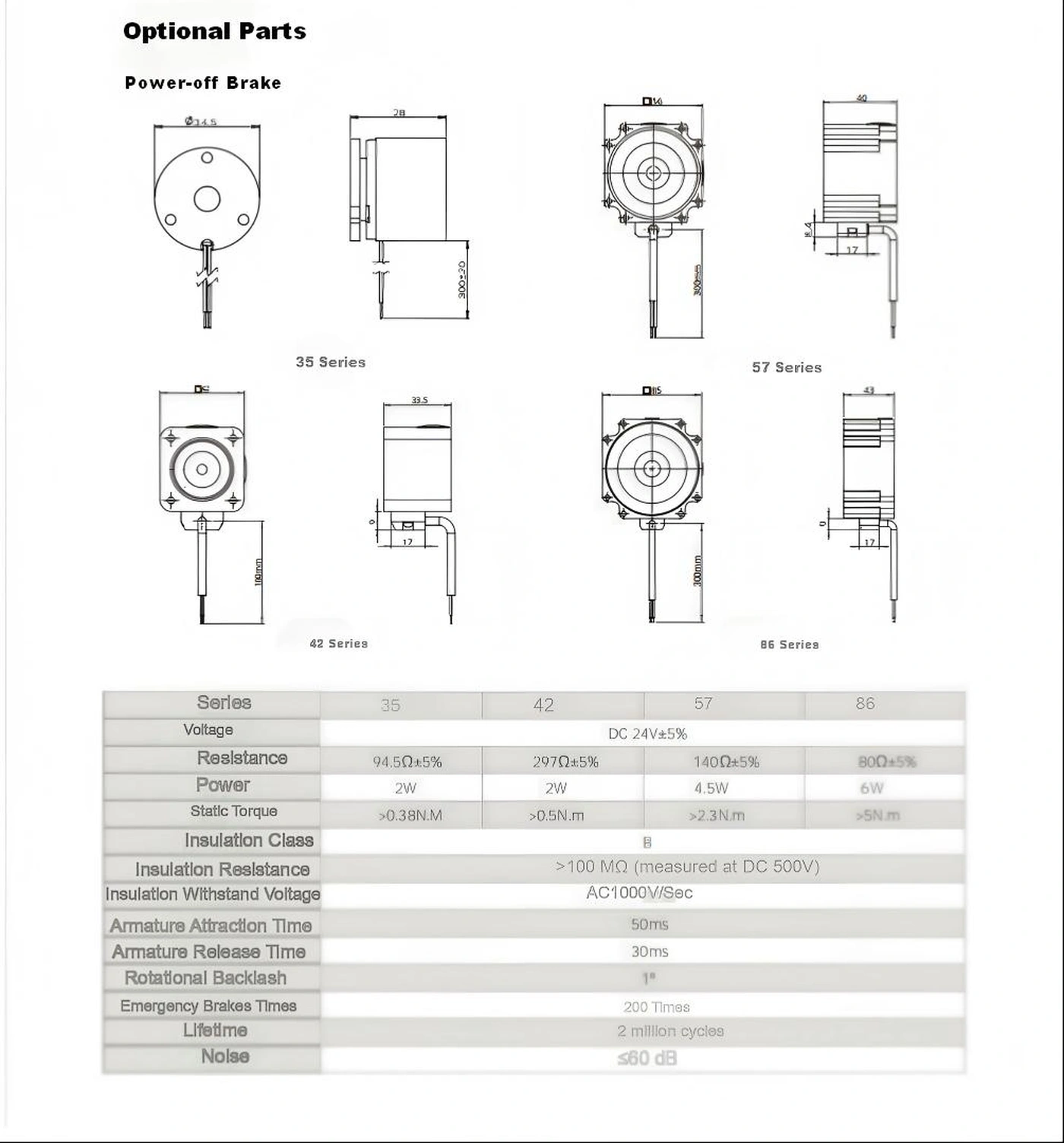
The spiral thread of the lead screw is unfolded into an inclined plane in mechanical theory. Power-off self-locking takes effect when thread lead angle ≤ equivalent friction angle. Once the condition is satisfied, axial external load cannot drive the screw to reverse rotation, realizing stable position retention after power cut without additional brake accessories.
3. Key Performance Indicators
| Performance Item | Technical Parameter | Advantage Explanation |
|---|---|---|
| Positioning Accuracy | Up to 0.1μm | Ultra-fine micro positioning, zero interpolation lag |
| Max Linear Speed | 300m/min | Fast response, high dynamic operation |
| Max Acceleration | 10g | Rapid start & stop for high-cycle automation |
| Ball Screw Transmission Efficiency | ≥90% | Driving torque only 1/3 of trapezoidal lead screw, energy-saving |
| Screw Hardness (Ball Screw) | HRC58+ | Heat treatment enhanced, wear-resistant & long service life |
| Internal Groove Design | Gothic arch groove | Tiny axial backlash, smooth running, preload adjustable for higher rigidity |
| Nut Material | Self-lubricating POM/Polyacetal | Low friction coefficient, maintenance-free |
4. Driving Mode Options
- Basic micro stepper: Single voltage drive, dual voltage drive, high-low voltage drive (matched with dedicated stepper drivers);
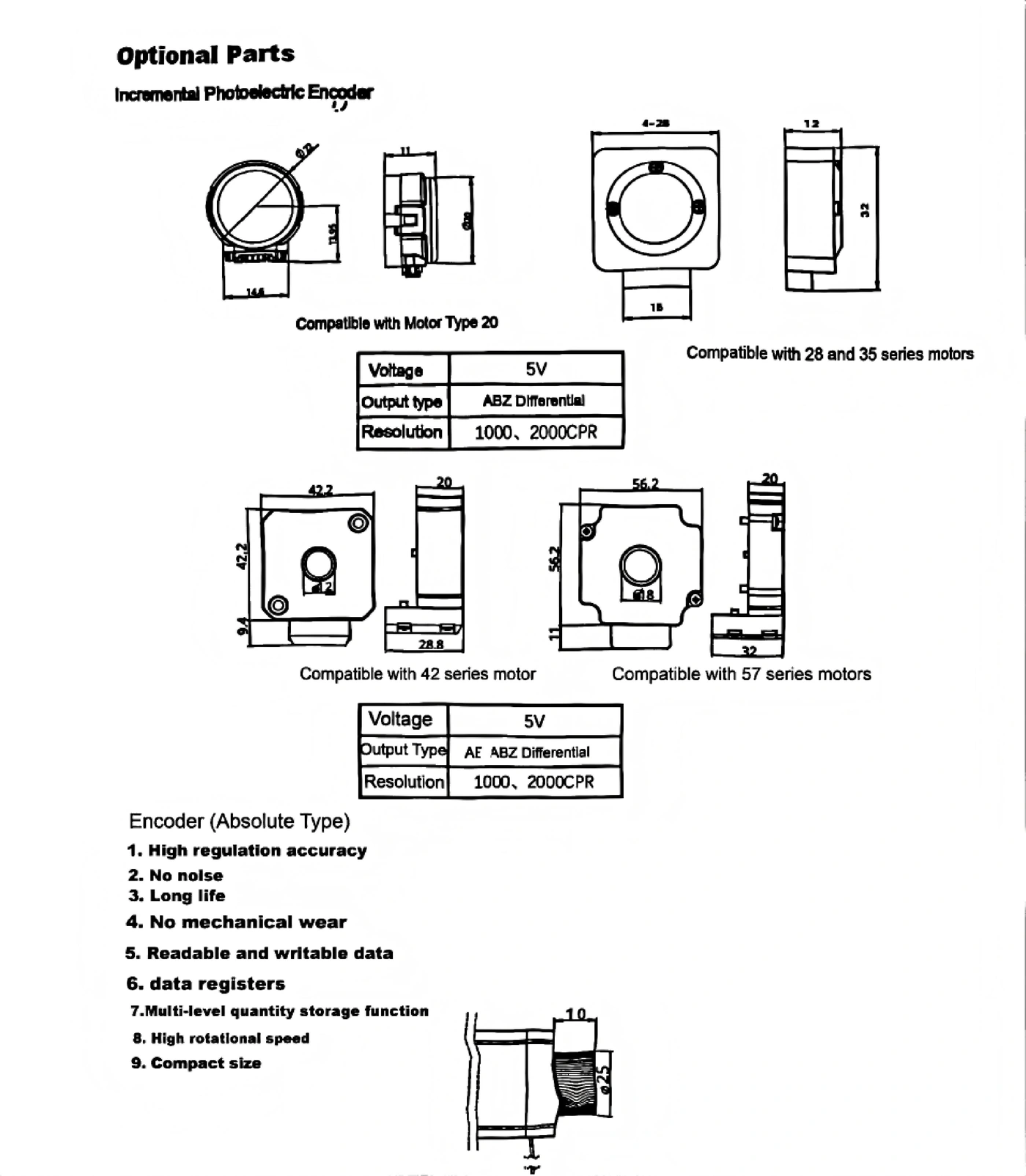
- Closed-loop integrated smart version: Encoder + driver + controller all-in-one, supports EtherCAT/field bus multi-axis network synchronous control.
Core Advantages
✅ Ultra-high positioning accuracy up to 0.1μm for micro precision operation
✅ Built-in power-off self-locking function to ensure safe positioning
✅ Rich specifications: 20mm, 28mm, 35mm, 42mm, 57mm, 86mm series
✅ Optional ball screw, closed-loop control and customized solutions
✅ Multiple driving modes and dedicated drivers for stable operation
✅ High wear resistance, low noise and strong operational stability
Application
- Industrial Automation & CNC Equipment
Automatic assembly lines, CNC machine tool feeding axes, automated fixture positioning, small sliding tables, automated testing jigs
- 3D Printing & Additive Manufacturing
3D printer Z-axis lifting platform, printing head precise feeding, resin layer thickness adjustment
- Medical Equipment
Infusion pump flow regulation, ophthalmic precision adjustment, medical sampling pipetting devices, rehabilitation equipment micro drive
- Semiconductor & Microelectronics Industry
Wafer transfer displacement platform, chip testing positioning, 3C electronic precision detection, micro component assembly
- Optical Inspection & Precision Instrument
Optical lens focusing adjustment, spectral detection platform, microscopic displacement stage, laser calibration equipment
- University Labs & Scientific Research
Physics experiment displacement platform, material testing stretching equipment, micro mechanical measurement instruments
- Robotics & Precision Machinery
Small collaborative robot joint drive, robotic end effector linear push-pull mechanism, miniature electric cylinders
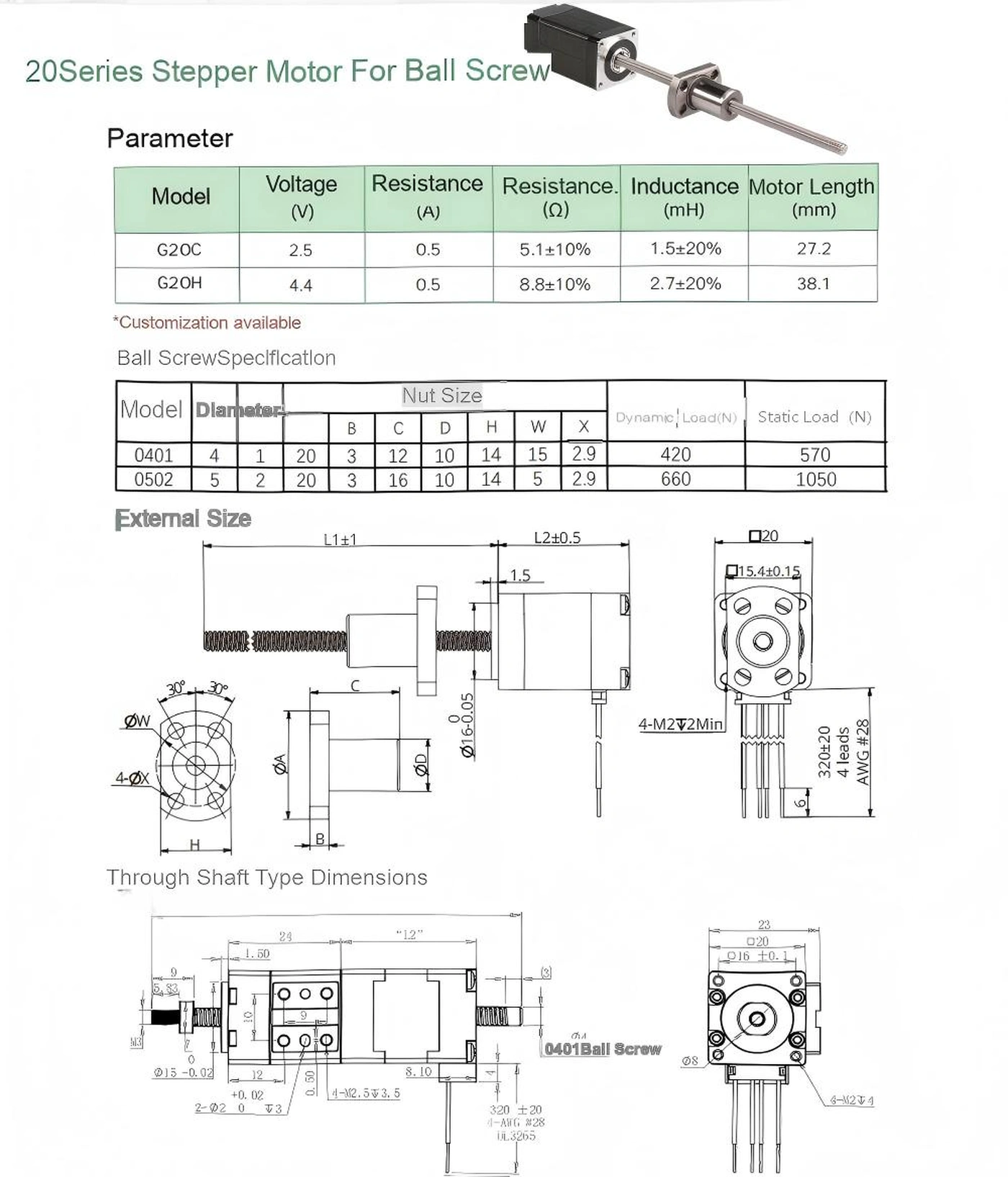
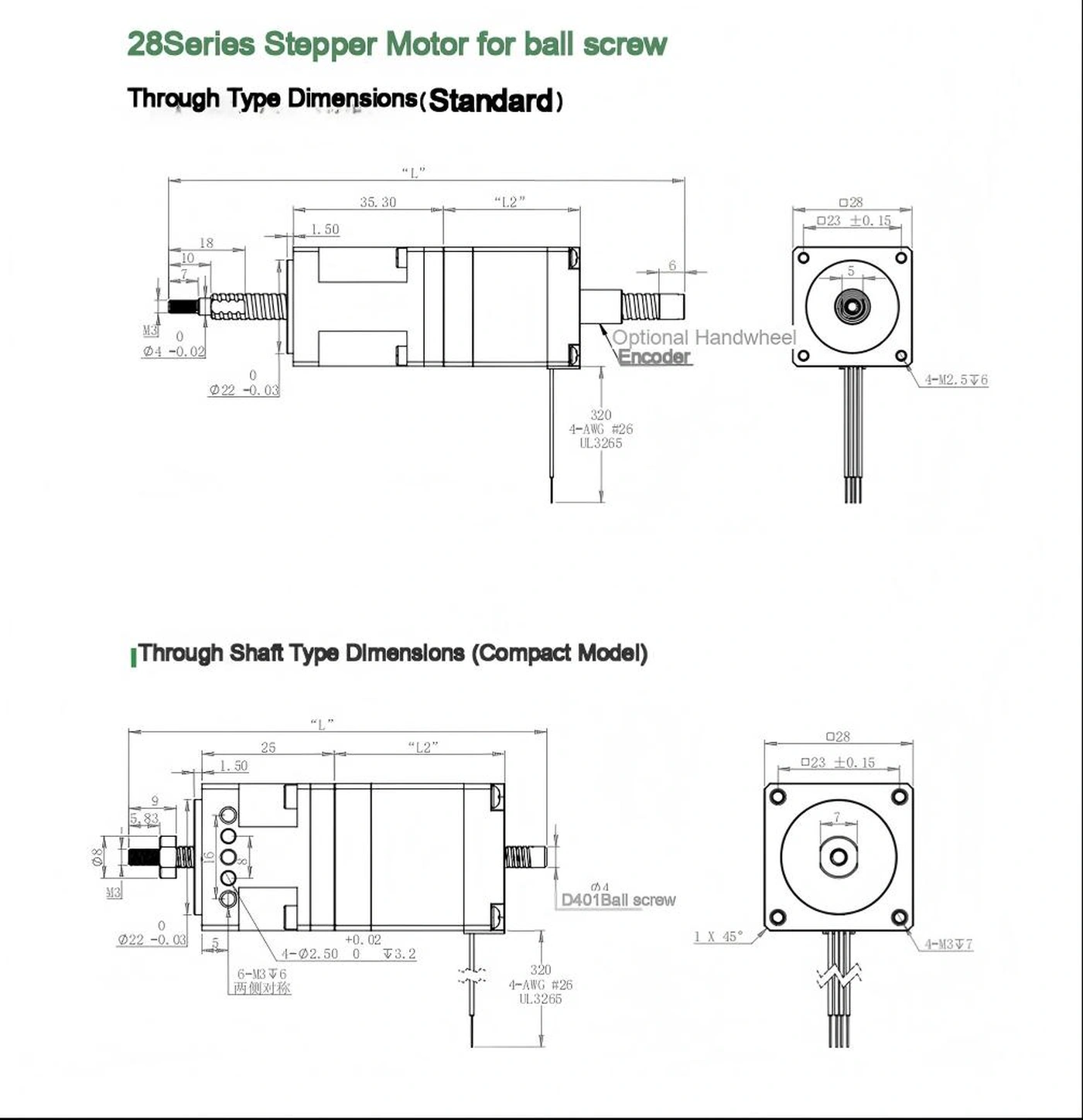
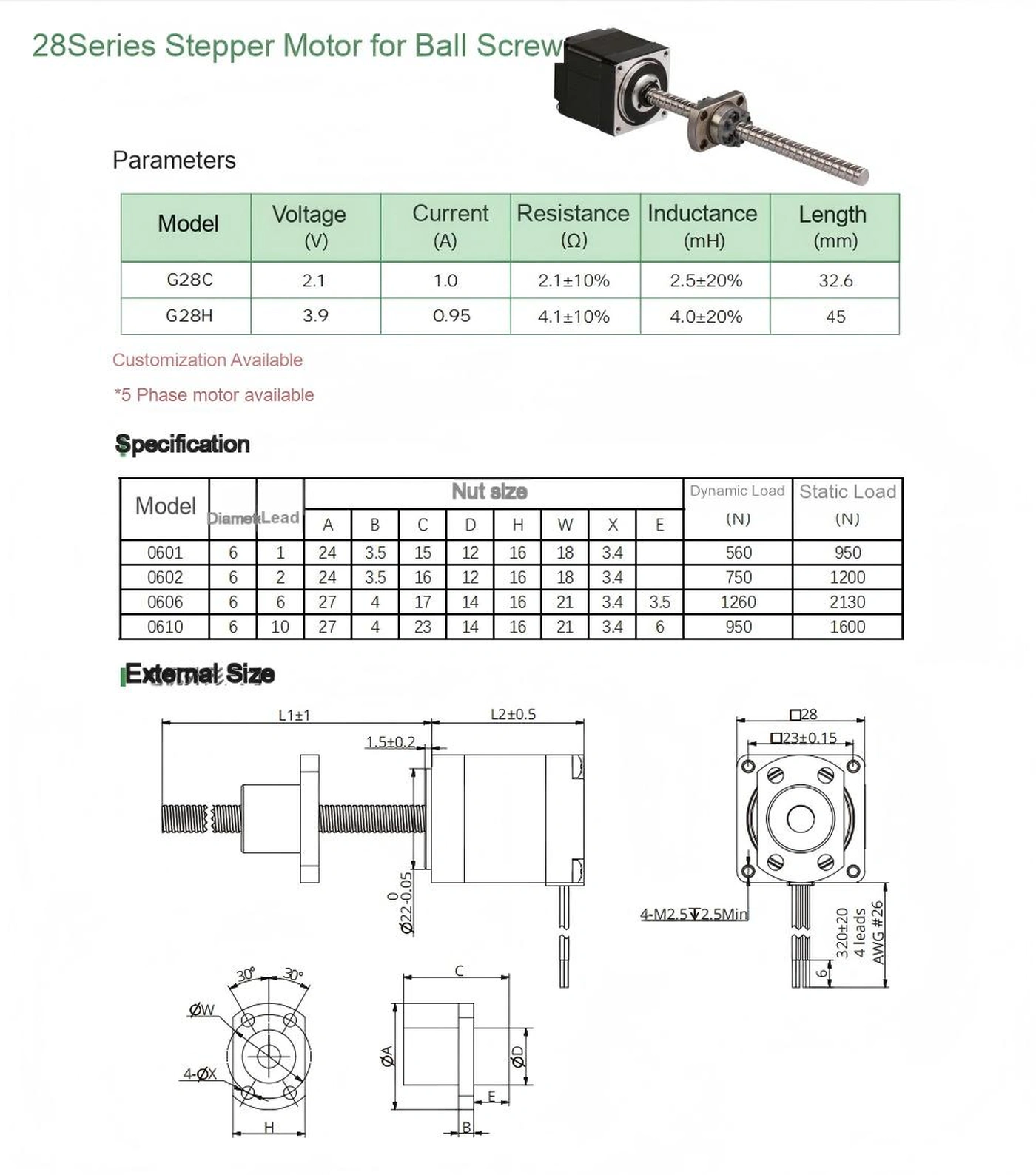
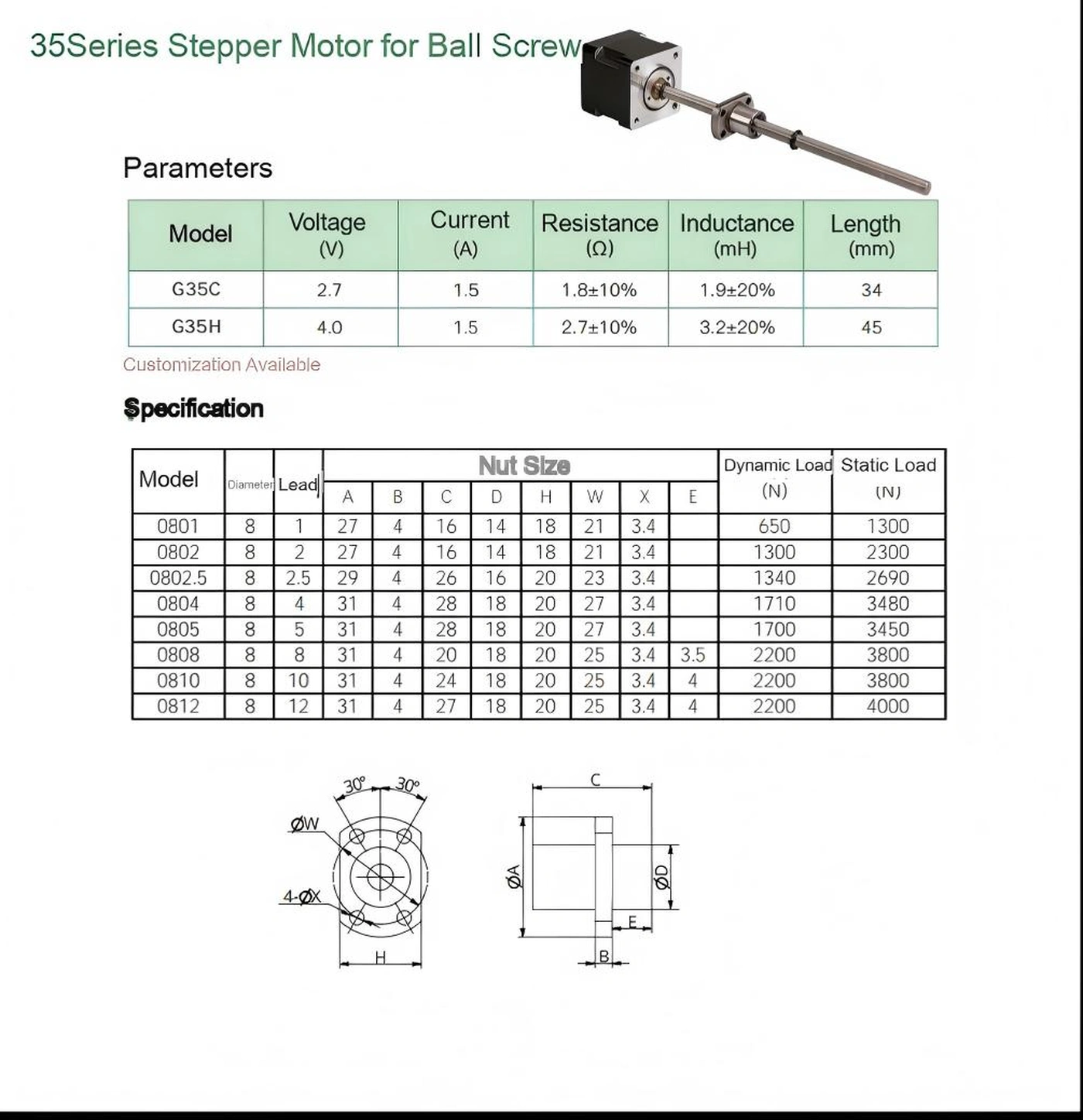
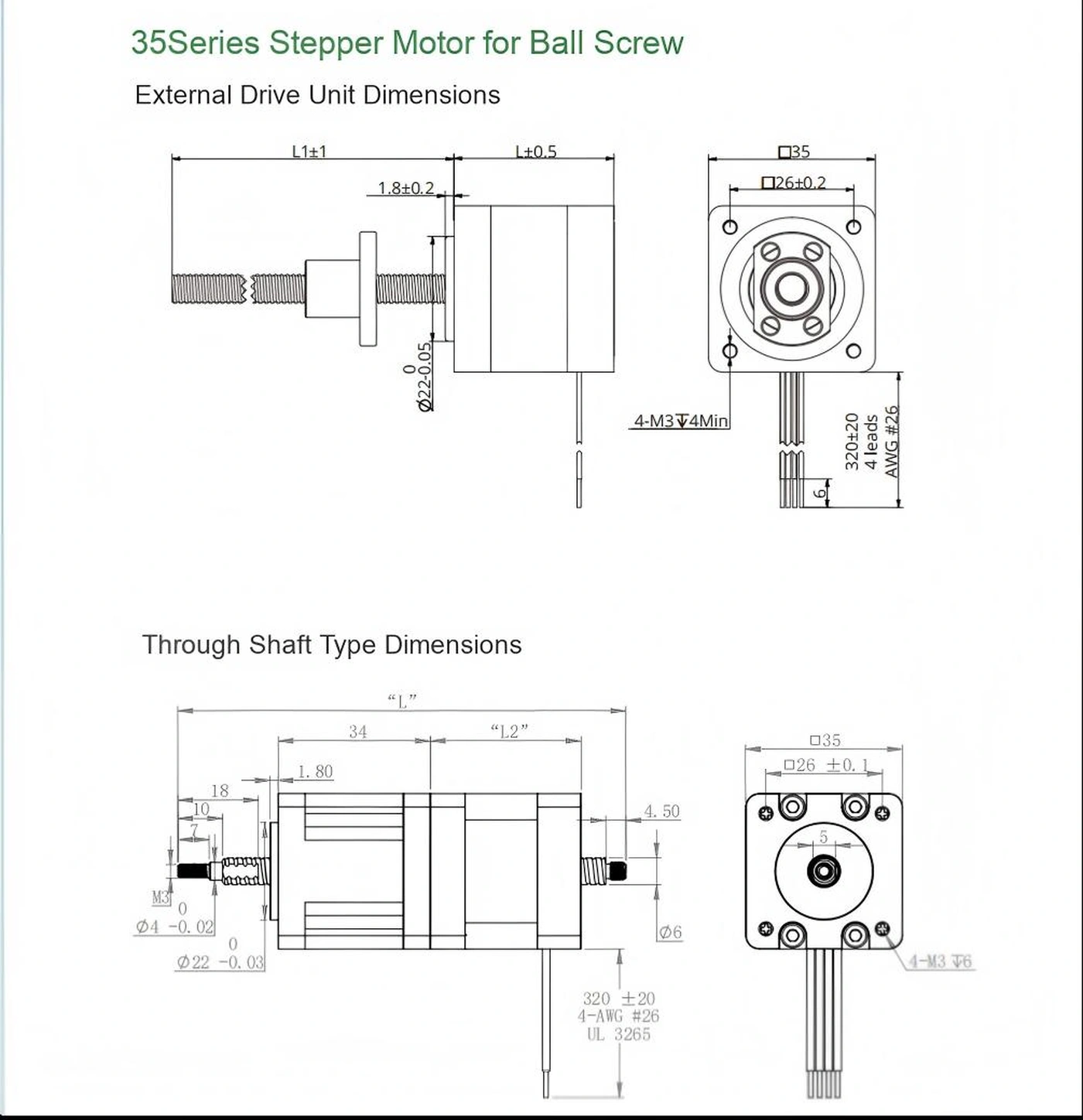
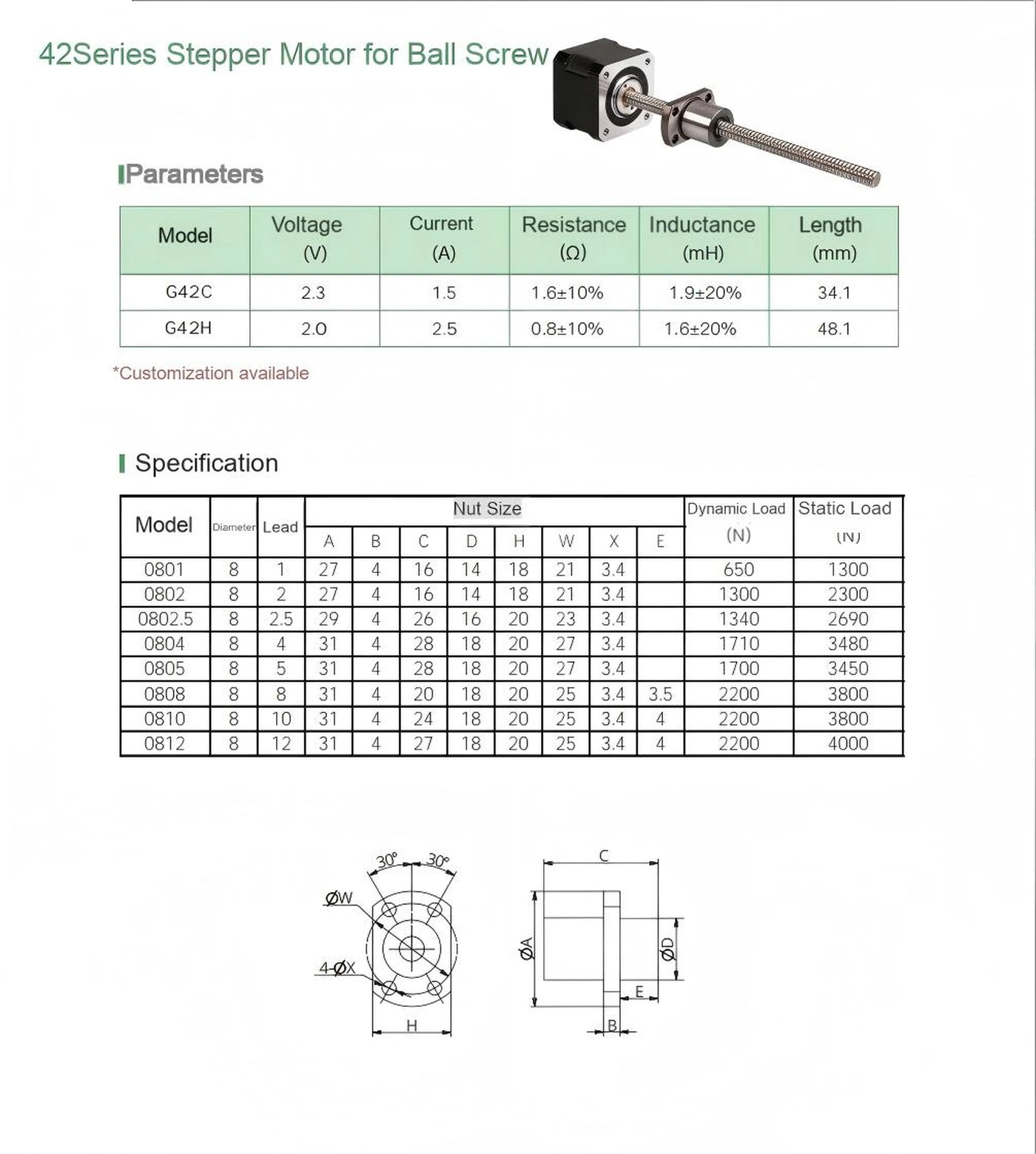
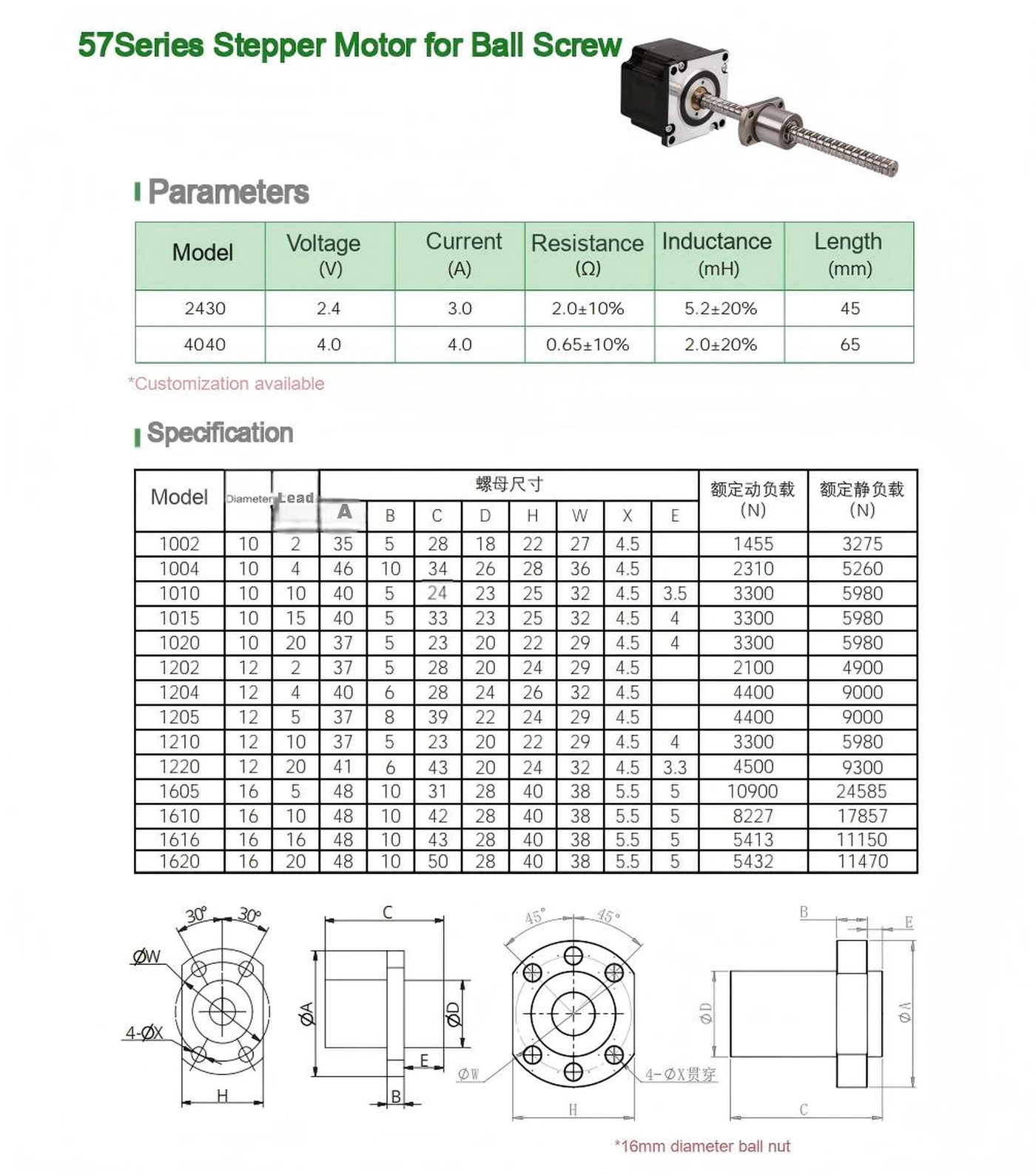
1. What Are the Benefits of Using Screw Drive Motors in Automation?
| Description |
Lead Screw Linear Motion Actuator |
|---|---|
| Model |
28Series, 35 Series, 42 Series, 57 Series |
| Voltage |
2.4V |
| Current(A) |
3.0 |
| Resistance |
2.0±10% |
| Inductance (mH) |
5.2±20% |
| Length(mm) |
45 |