
Why Industrial Motors Must Be Paired With Gear Reducers: Principles & Benefits

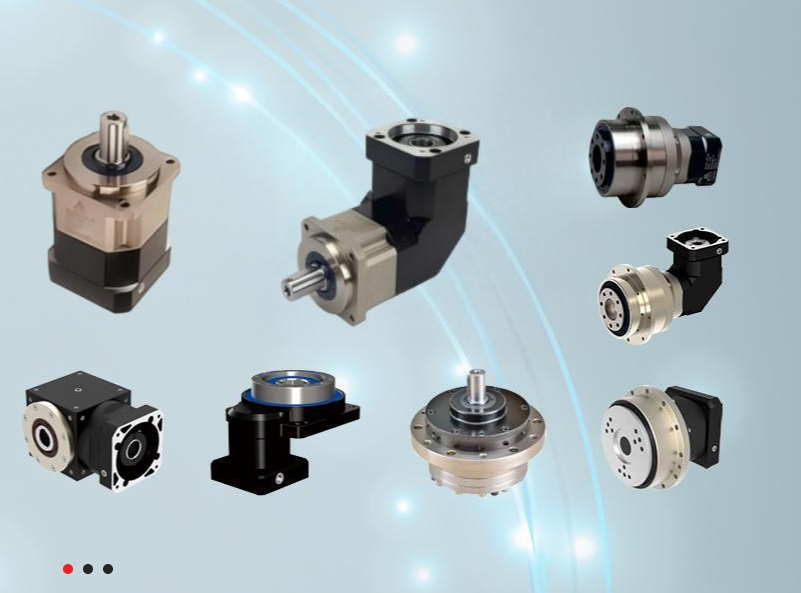
Why Industrial Motors Need to Be Equipped with Gear Reducers?
To understand why industrial motors require matching gear reducers, it is essential to grasp their basic functions, collaboration principles and practical advantages.
An electric motor is regarded as the power core of modern industry. It converts electrical energy into mechanical energy to drive all kinds of mechanical and industrial equipment. A gear reducer is a professional power transmission device. It uses gear conversion to lower the high output speed of a motor to the required operating speed, while simultaneously amplifying output torque.
The combination of a motor and a gear reducer greatly boosts equipment efficiency, extends service life, reduces energy consumption and minimizes operating noise.
How Does a Gear Reducer Work?
A gear reducer regulates motor speed through its internal precision gear transmission system. When the motor runs at high speed, the reducer input shaft receives power and achieves gradual speed reduction via multi-stage gear meshing. This slows down the motor speed to an ideal working range.
During the transmission process, gear engagement multiplies the motor’s output torque significantly. Even small and medium-power motors can easily drive heavy loads that cannot be powered directly, adapting perfectly to complex industrial working conditions.
The Necessity of Matching Motors with Gear Reducers
1. Enhance Load Capacity
Most industrial operations require high torque to drive heavy machinery and support precise motion control. A standalone motor often fails to meet high-torque demands. A gear reducer amplifies torque, enabling the motor to carry heavier loads and deliver more accurate control under standard operating conditions.
2. Reduce Energy Consumption
In low-speed and high-torque applications, running a high-speed motor directly results in low efficiency and severe energy waste. A gear reducer adjusts the motor to operate within its optimal efficiency range, cutting overall power consumption and lowering long-term production costs.
3. Provide Effective Motor Protection
Motors running at high speed are vulnerable to damage from sudden load changes and overload conditions when driving loads directly. As a buffer between the motor and the load, the gear reducer absorbs instantaneous impact and overload pressure. It prevents motor burnout and mechanical failure, effectively prolonging motor service life.
4. Lower Noise and Vibration
High-speed motor operation generates strong noise and mechanical vibration, which harms the working environment and accelerates equipment aging. By reducing rotational speed, the gear reducer suppresses high-frequency noise and vibration, ensuring smoother and quieter equipment operation.
5. Enable Precision Motion Control
For automated production lines, robotic arms and precision processing machinery, accurate speed and position control are critical. The pairing of motors and gear reducers delivers stable speed regulation and high-precision positioning, improving overall production efficiency and product yield.
Practical Application Example
Automated production lines are a typical application scenario. Robotic arms, conveyor belts and handling equipment on production lines require frequent start-stop and speed adjustment. Direct motor drive leads to inaccurate control, overheating and easy damage under variable loads.
Equipped with a gear reducer, the system lowers motor speed and increases torque. Equipment can run stably at low speed while maintaining precise positioning and speed regulation. Meanwhile, the reducer absorbs impact and vibration during operation, protecting mechanical components and improving the stability and reliability of the entire production line.
Conclusion
Matching industrial motors with gear reducers has become a standard and indispensable solution in modern manufacturing. By adjusting motor speed and amplifying torque, gear reducers improve load capacity and operational efficiency, reduce energy consumption, noise and vibration, protect motors from damage, and support high-precision automation control.
This matched drive system is widely used in industrial automation, mechanical manufacturing, metallurgy, chemical and many other industries. As transmission technology continues to advance, gear reducers will play an even more vital role in intelligent manufacturing, providing reliable power support for the sustainable development of modern industry.