- Motion Control
- Leadshine IDM Series Integrated Smart Motor with Driver | Compact, Plug-and-Play, High Acceleration, Easy Installation
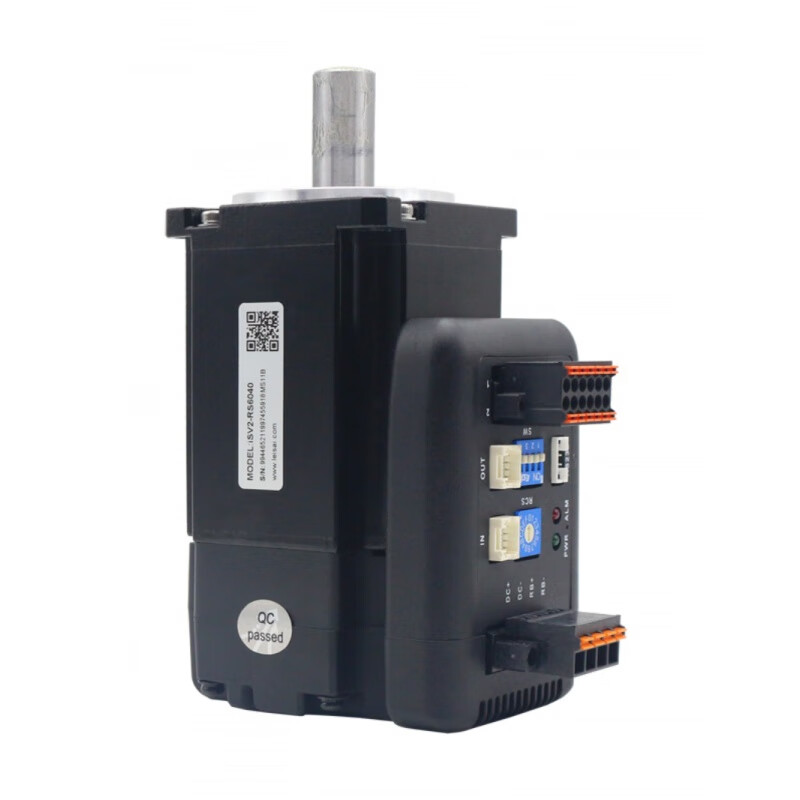
- ISV2 Series Intelligent Integrated Low Voltage Servo Motor – CANopen & RS485 Communication For Automation Solution
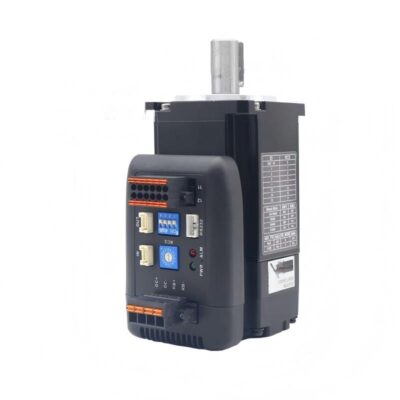
- Integrated Closed-Loop Stepper Motor Series Stepper motor + Drive + Controller
- Leadshine 5CM 5-Phase Stepper Motors Low Vibration for Optical Communication Modules
- Leadshine 57CME Series Closed Loop Stepper Motor | High Torque Low Heat High Stability & Consistent Performance for Precision Machine
- Leadshine 57CM Series NEMA23 Stepper Motor | High Torque Low Heat High Consistency 0.6-3.1Nm
- DM5-EC 5-Phase EtherCAT Stepper Motor Driver High Precision Low Vibration for Semiconductor, Medical & Industrial Automation Import Replacement
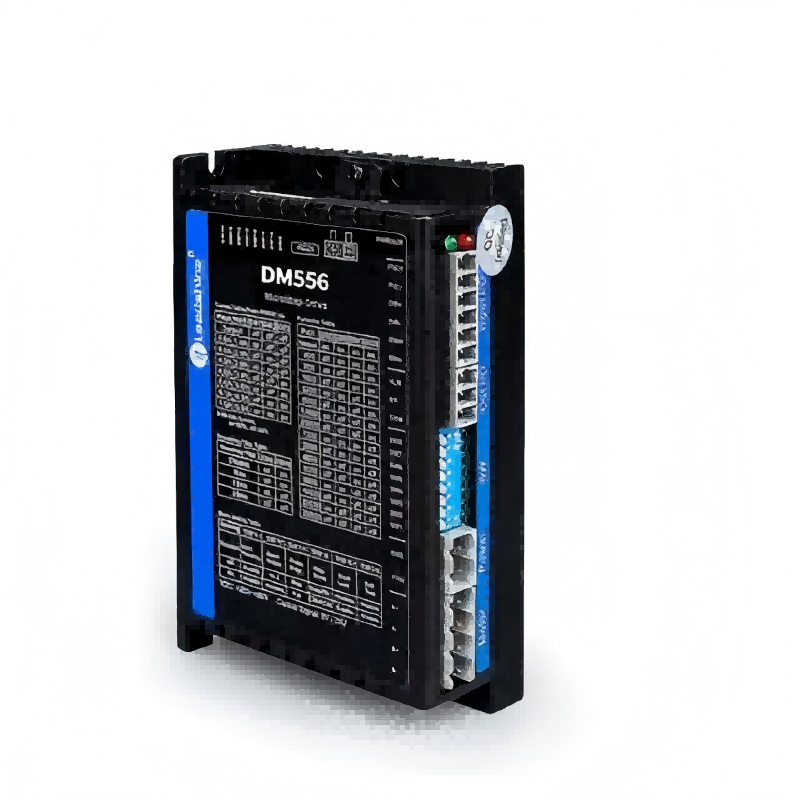
- Leadshine DM Open-loop Stepper Driver 32-bit DSP Motor Controller with Advanced Control Tech, Low Vibration High Reliability for Industrial Automation
- Leadshine DM3C EtherCAT Bus Stepper Driver, 32-bit DSP 100Mb/s High-speed CoE CiA402 Drive, Multi Control Mode, Anti-vibration No Step-loss, Cost-effective Industrial Multi-axis Motion Controller
- Leadshine L8 High Precision AC Servo Drive EtherCAT Support for Semiconductor Manufacturing
- Leadshine L7 Series Universal AC Servo System | EtherCAT Modbus Profinet Servo Drive with High Bandwidth, STO Safety & High-Precision Encoder for Robotics, Laser & Machine Tool Automation
- Leadshine ACM Series Compact AC Servo Motor 50W-1000W, 21bit Encoder, IP67, CE/UL Certified, High Overload Performance
- Leadshine MC500 PLC | EtherCAT 32-Axis Motion Controller with Dual-Core, IEC 6 Languages for 3C, PV, Lithium Battery, Logistics & Packaging Automation
- Leadshine LC Series Large PLC Controller – CODESYS Platform 256-Axis EtherCAT Motion Controller
- R Series EtherCAT Remote I/O Modules for Flexible and Scalable Industrial Automation
- Siemens AC Servo Motors | High Precision Closed-Loop Motion Control, Synchronous & Induction Motors for Robotics, CNC Machine Tools, Packaging and Semiconductor Equipment
- Panasonic MINAS A6/A7 Series AC Servo Motor 50W-22kW – 23bit Encoder, 3x Overload, IP67, 3.2kHz Response, PLC Compatible for High-Precision Industrial Automation
- Delta Servo Systems Delta PLC
- Linear Motion Module
- High Precision Ball Screw Slide Table Heavy Duty Linear Module for Industrial Automation CNC Equipment Parts
- Cleanroom Ball Screw Linear Module, Low Particle Release High Rigidity Dustless Linear Actuator for Semiconductor Medical Industrial Automation Equipment
- Embedded Screw Slide Table: Compact Integrated Linear Module with High Rigidity, Low Maintenance & Cost-Effective Design for Industrial Automation
- Industrial Gear Reducer
- High Precision Planetary Gear Reducer With Low Backlash, High Torque Density for Robotics & CNC Automation
- Helical Gear Reducer – Low Noise Heavy Duty Modular Design Industrial Gearbox with Easy Maintenance
- Industrial Modular Helical Gear Reducer – Smooth Transmission, Strong Overload Resistance & Flexible Mounting, Suitable for Chemical, Textile & Heavy-Duty Equipment
- Robotic Arm
- Vision & Sensor Systems
- SICK Vision Sensor for High-Precision Machine High Accuracy Detection & Positioning for Smart Factories & Robotics
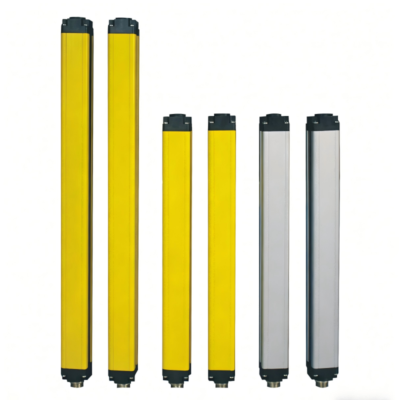
- SICK Photoelectric Sensor Safety Light Curtains – IP67 Safety Protection for Machine Guarding
- Hikvision CU Series Cost-Effective Industrial Camera Built-in ISP Algorithm with WDR GigE Vision & USB3.0 Interface for Industrial Machine Vision
- Pneumatic Components
- Airtac Air Source Treatment Three-in-One Unit Preparation Units Filter Regulator & Lubricator for Industrial Automation Systems
- AIRTAC Solenoid Valve | Direct/Semi-Direct/Pilot Operated, Leak-Proof & Explosion-Proof DN50, Industrial Fluid Control for Automation, Chemical & Mechanical Piping
- Pneumatic Slide Table Cylinder – ±0.01mm Precision Compact Integrated High Rigidity Durable for Automation
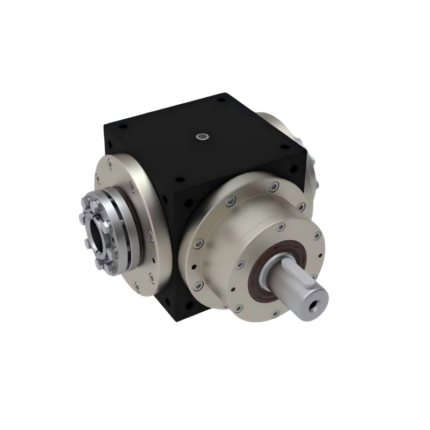
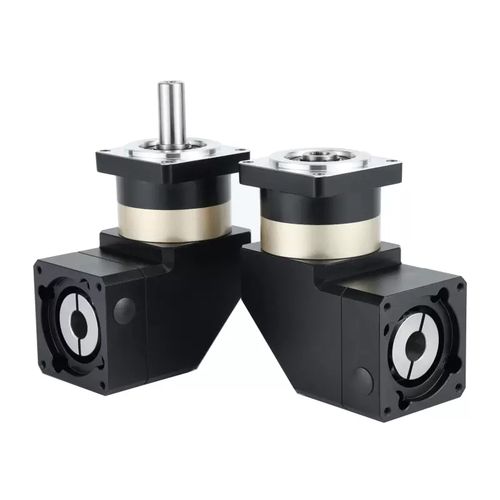
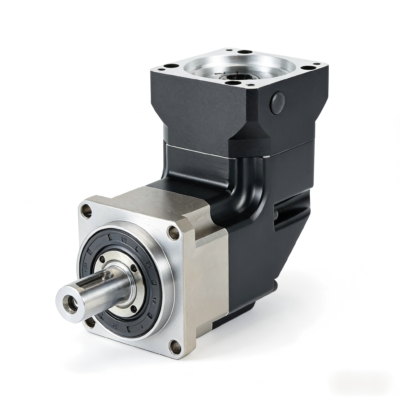
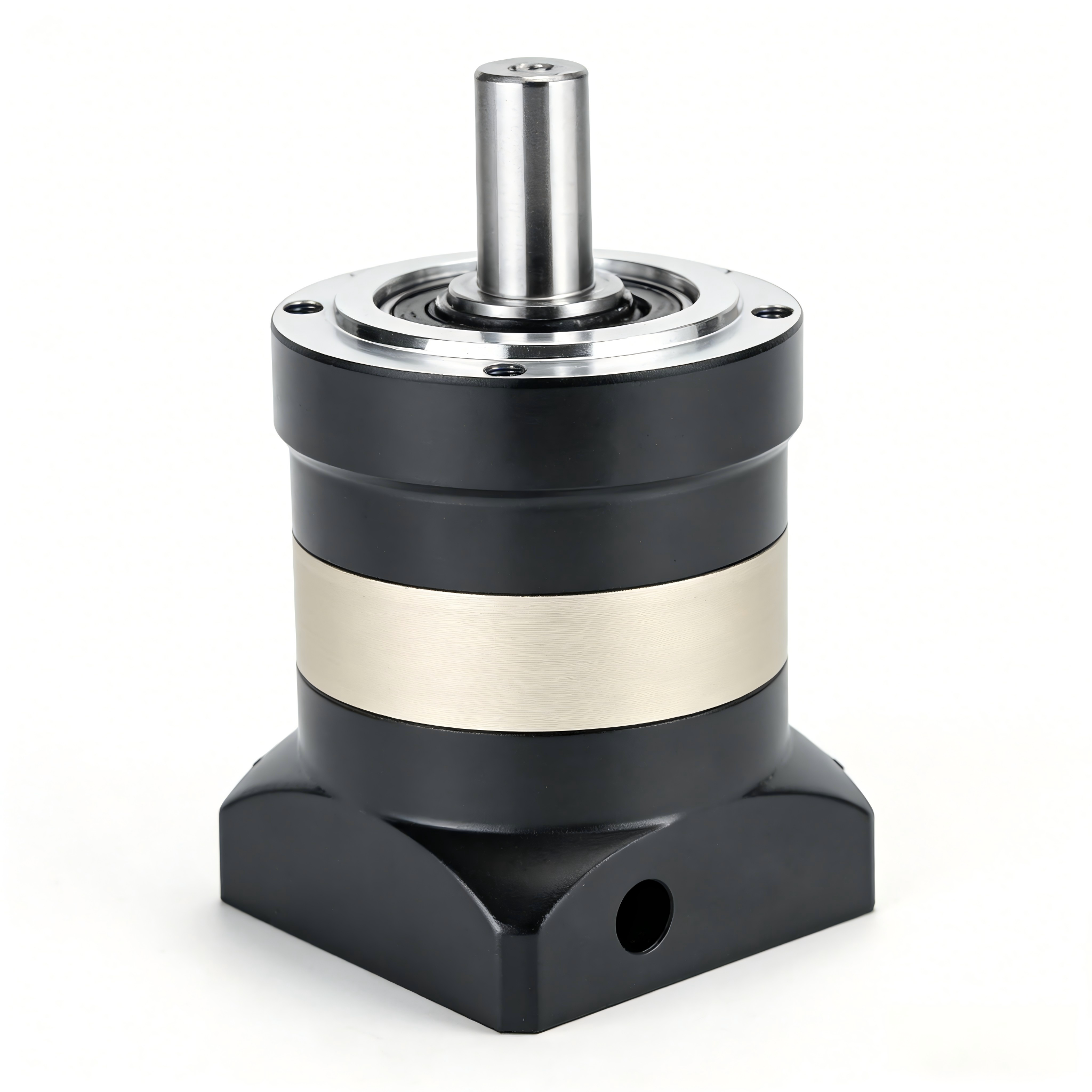
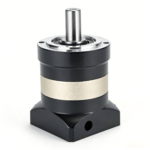
Helical Gear Reducer: High-Efficiency, Low-Noise Industrial Power Transmission Solution
What is a Helical Gear Reducer?
A helical gear reducer (also known as helical gearbox or helical speed reducer) is a precision-engineered mechanical transmission device designed to reduce motor speed while multiplying torque output for industrial machinery. Characterized by its angled helical teeth, this gearbox offers superior performance compared to traditional spur gear reducers, delivering smoother operation, higher efficiency, and greater load capacity. Built on a modular design system, our helical gear reducers provide exceptional flexibility for diverse industrial applications, from light-duty conveyors to heavy-duty mining equipment.
Core Features & Technical Advantages
1. Unmatched Transmission Performance
- Smooth & Quiet Operation: Helical teeth engage gradually, reducing vibration and noise to 75dB or lower (compared to 90dB+ for spur gears)
- High Overlap Ratio: Multiple teeth in contact simultaneously ensure even load distribution and enhanced durability
- Exceptional Torque Capacity: Surface contact design delivers up to 132kW power output and handles heavy shock loads
- High Efficiency: Transmission efficiency reaches 95%+ (single-stage), minimizing energy consumption
2. Robust Construction & Durability
- Premium Materials: Forged steel gears with 58-62 HRC hardness after heat treatment, paired with rigid cast iron housing
- Precision Engineering: Strict quality control ensures perfect shaft parallelism and bearing alignment
- Superior Lubrication: Helical tooth design promotes optimal oil distribution, reducing wear and extending service life
- Modular Design: Compatible with all motor types for easy integration and customization
3. User-Friendly Design
- Easy Maintenance: Upper and lower gearbox sections connected via short-distance link rods for quick disassembly
- Compact Footprint: Higher power density than spur gear reducers saves valuable installation space
- Versatile Mounting: Multiple configuration options (foot-mounted, flange-mounted, shaft-mounted)
- Wide Ratio Range: Precise speed reduction from 1.3:1 to 196:1 for exact application requirements
Working Principle & Structural Design
The helical gear reducer operates through the meshing of helically cut gears on parallel shafts. Unlike spur gears that engage instantaneously, helical teeth create a progressive contact that:
- Starts as a point, expands to a line, and finally forms a surface contact
- Distributes load evenly across multiple teeth
- Eliminates abrupt torque changes that cause noise and vibration
Our advanced design incorporates:
- Reinforced housing connections with rods, joints, and external threads for harsh industrial environments
- Optimized gear parameters (addendum modification, pressure angle, center distance) to minimize noise
- Precision-machined components ensuring maximum operational reliability
Product Classification
| Classification | Types | Key Applications |
|---|---|---|
| Gear Meshing | Involute Helical Gear Reducer Helical-Worm Gear Reducer | General industrial use High torque, low speed applications |
| Transmission Stages | Single-stage Two-stage Multi-stage | Light-duty machinery Medium industrial equipment Heavy industrial machinery |
| Series Design | R-Series (Inline) S-Series (Helical-Bevel) K-Series (Helical-Bevel) F-Series (Parallel Shaft) | Conveyors, mixers Agitators, cranes Hoists, elevators Packaging, food processing |
Popular variants include hardened helical gear reducers for heavy loads, parallel shaft helical gearboxes for space-constrained installations, and double helical (herringbone) gear reducers for maximum stability in extreme applications.
Industry Applications
Our helical gear reducers are the preferred choice for:
- Heavy Industry: Mining, metallurgy, construction, and material handling equipment (cranes, hoists, conveyors)
- Manufacturing: Automotive production lines, printing presses, packaging machinery, and robotics
- Process Industries: Chemical plants, food & beverage processing, pharmaceutical manufacturing
- Logistics & Warehousing: Automated storage systems, sorting equipment, and material handling conveyors
- Renewable Energy: Wind turbine pitch control, solar tracking systems, and hydroelectric power generation
Ideal for applications requiring high torque, low noise, and reliable performance under continuous operation.
 8
8