- Motion Control
- Leadshine IDM Series Integrated Smart Motor with Driver | Compact, Plug-and-Play, High Acceleration, Easy Installation
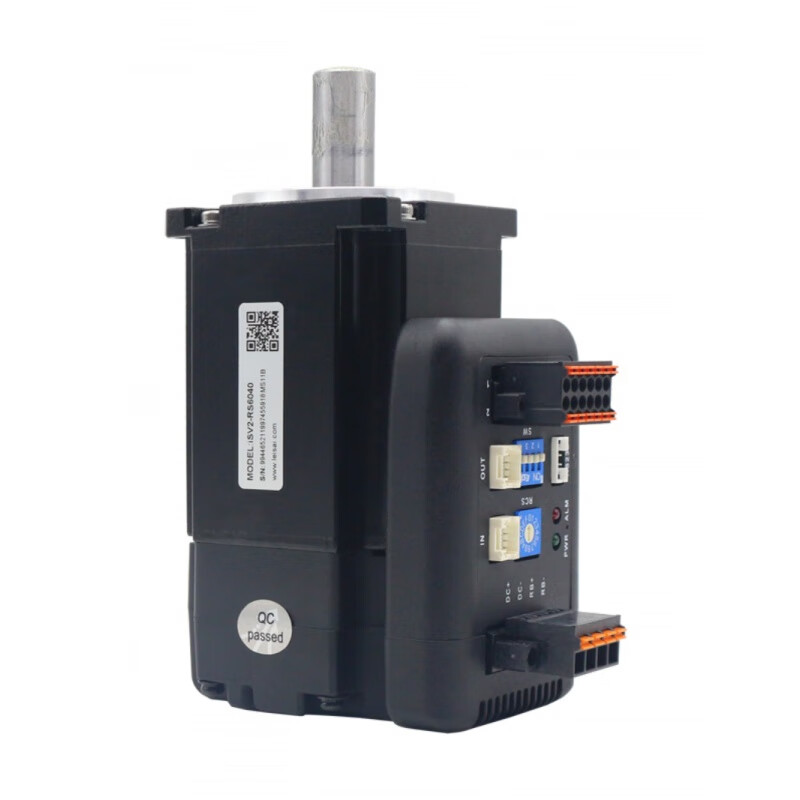
- ISV2 Series Intelligent Integrated Low Voltage Servo Motor – CANopen & RS485 Communication For Automation Solution
- Integrated Closed-Loop Stepper Motor Series Stepper motor + Drive + Controller
- Leadshine 5CM 5-Phase Stepper Motors Low Vibration for Optical Communication Modules
- Leadshine 57CME Series Closed Loop Stepper Motor | High Torque Low Heat High Stability & Consistent Performance for Precision Machine
- Leadshine 57CM Series NEMA23 Stepper Motor | High Torque Low Heat High Consistency 0.6-3.1Nm
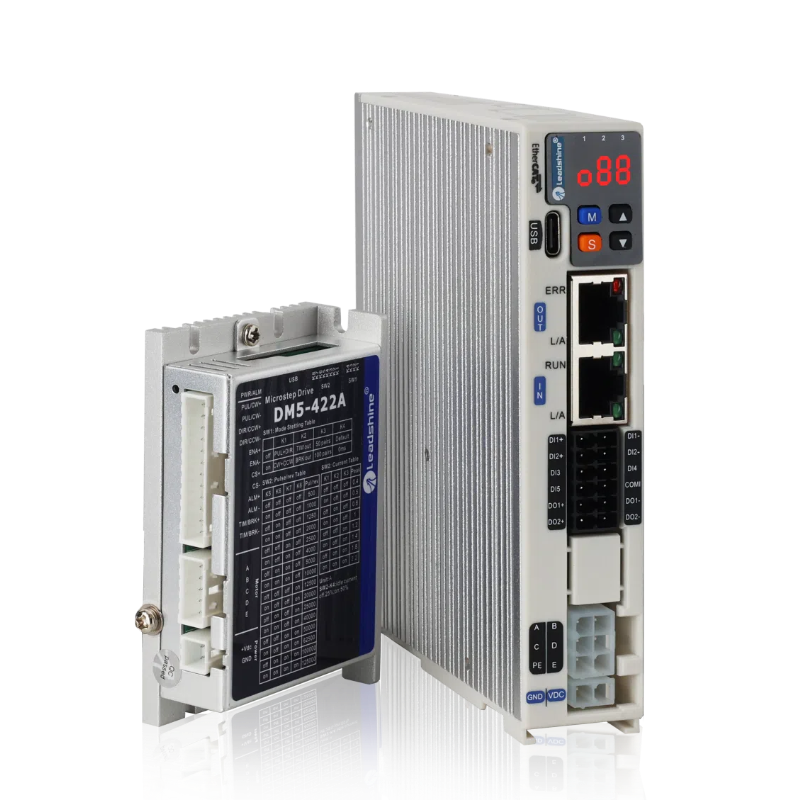
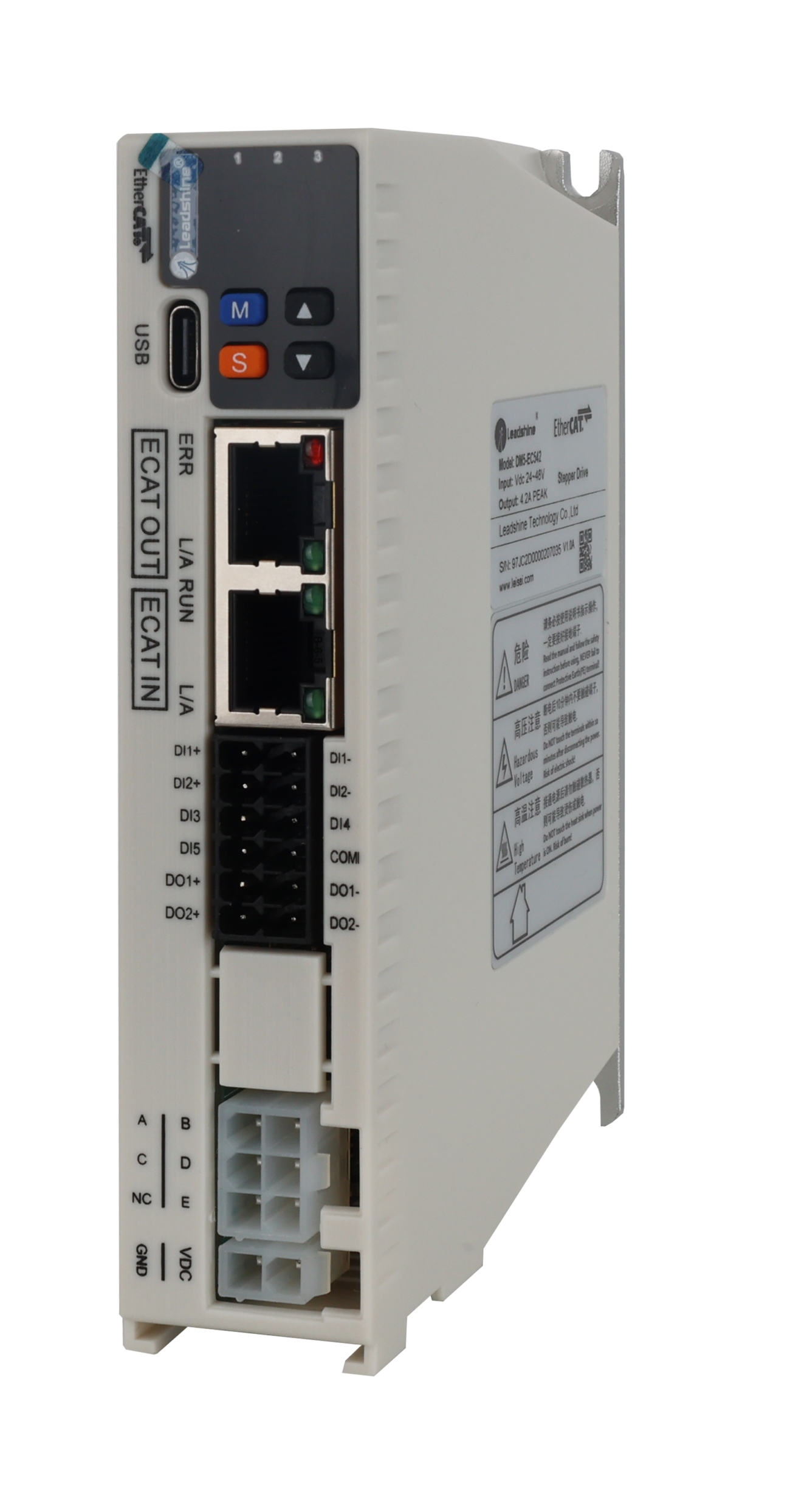
- DM5-EC 5-Phase EtherCAT Stepper Motor Driver High Precision Low Vibration for Semiconductor, Medical & Industrial Automation Import Replacement
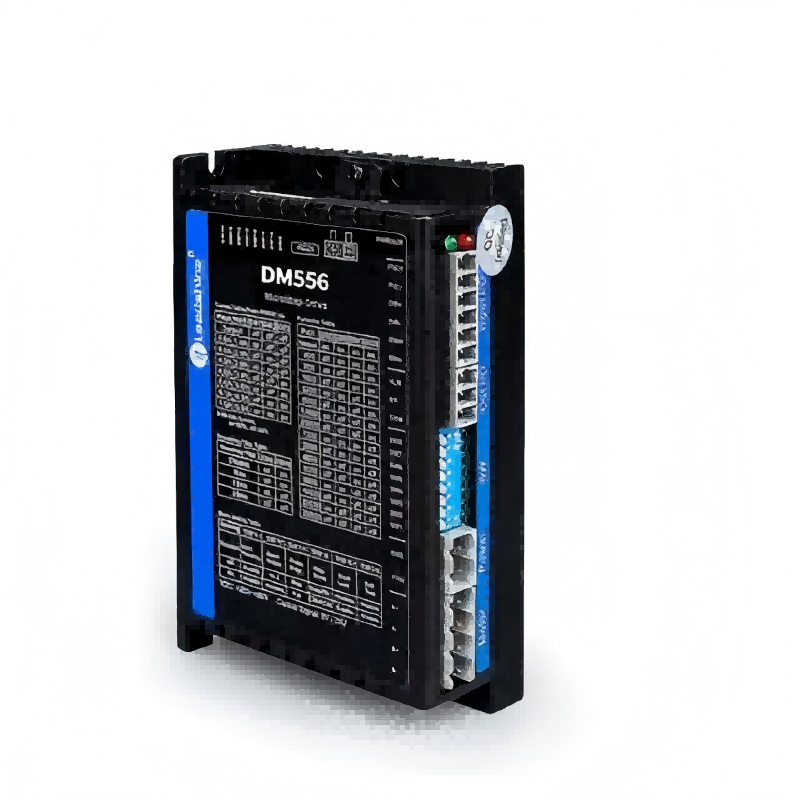
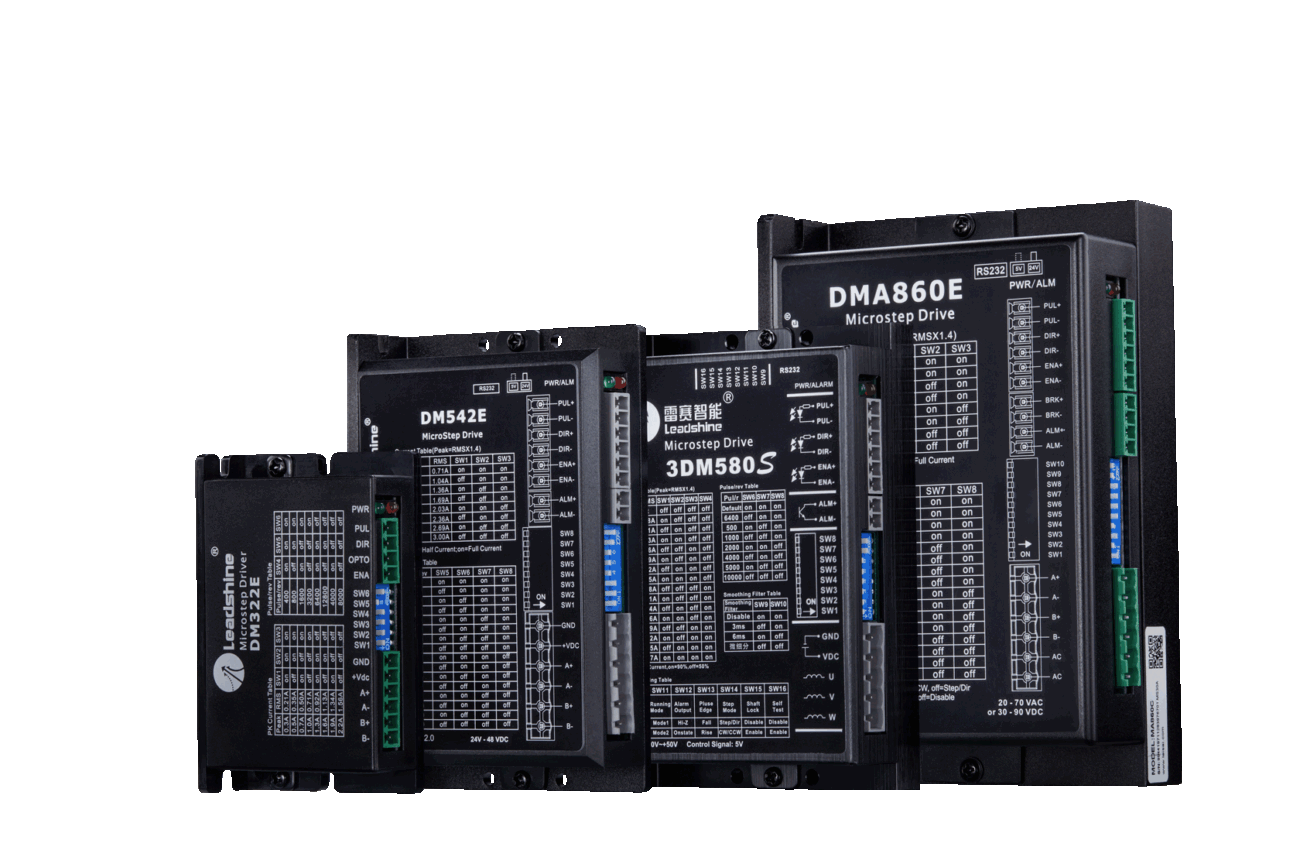
- Leadshine DM Open-loop Stepper Driver 32-bit DSP Motor Controller with Advanced Control Tech, Low Vibration High Reliability for Industrial Automation
- Leadshine DM3C EtherCAT Bus Stepper Driver, 32-bit DSP 100Mb/s High-speed CoE CiA402 Drive, Multi Control Mode, Anti-vibration No Step-loss, Cost-effective Industrial Multi-axis Motion Controller
- Leadshine L8 High Precision AC Servo Drive EtherCAT Support for Semiconductor Manufacturing
- Leadshine L7 Series Universal AC Servo System | EtherCAT Modbus Profinet Servo Drive with High Bandwidth, STO Safety & High-Precision Encoder for Robotics, Laser & Machine Tool Automation
- Leadshine ACM Series Compact AC Servo Motor 50W-1000W, 21bit Encoder, IP67, CE/UL Certified, High Overload Performance
- Leadshine MC500 PLC | EtherCAT 32-Axis Motion Controller with Dual-Core, IEC 6 Languages for 3C, PV, Lithium Battery, Logistics & Packaging Automation
- Leadshine LC Series Large PLC Controller – CODESYS Platform 256-Axis EtherCAT Motion Controller
- R Series EtherCAT Remote I/O Modules for Flexible and Scalable Industrial Automation
- Siemens AC Servo Motors | High Precision Closed-Loop Motion Control, Synchronous & Induction Motors for Robotics, CNC Machine Tools, Packaging and Semiconductor Equipment
- Panasonic MINAS A6/A7 Series AC Servo Motor 50W-22kW – 23bit Encoder, 3x Overload, IP67, 3.2kHz Response, PLC Compatible for High-Precision Industrial Automation
- Delta Servo Systems Delta PLC
- Linear Motion Module
- High Precision Ball Screw Slide Table Heavy Duty Linear Module for Industrial Automation CNC Equipment Parts
- Cleanroom Ball Screw Linear Module, Low Particle Release High Rigidity Dustless Linear Actuator for Semiconductor Medical Industrial Automation Equipment
- Embedded Screw Slide Table: Compact Integrated Linear Module with High Rigidity, Low Maintenance & Cost-Effective Design for Industrial Automation
- Industrial Gear Reducer
- High Precision Planetary Gear Reducer With Low Backlash, High Torque Density for Robotics & CNC Automation
- Helical Gear Reducer – Low Noise Heavy Duty Modular Design Industrial Gearbox with Easy Maintenance
- Industrial Modular Helical Gear Reducer – Smooth Transmission, Strong Overload Resistance & Flexible Mounting, Suitable for Chemical, Textile & Heavy-Duty Equipment
- Robotic Arm
- Vision & Sensor Systems
- SICK Vision Sensor for High-Precision Machine High Accuracy Detection & Positioning for Smart Factories & Robotics
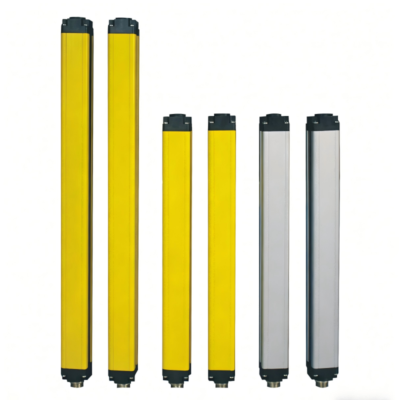
- SICK Photoelectric Sensor Safety Light Curtains – IP67 Safety Protection for Machine Guarding
- Hikvision CU Series Cost-Effective Industrial Camera Built-in ISP Algorithm with WDR GigE Vision & USB3.0 Interface for Industrial Machine Vision
- Pneumatic Components
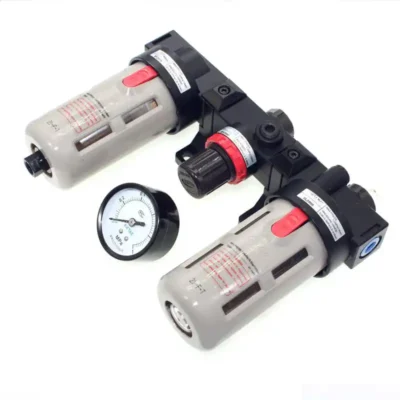
- Airtac Air Source Treatment Three-in-One Unit Preparation Units Filter Regulator & Lubricator for Industrial Automation Systems
- AIRTAC Solenoid Valve | Direct/Semi-Direct/Pilot Operated, Leak-Proof & Explosion-Proof DN50, Industrial Fluid Control for Automation, Chemical & Mechanical Piping
- Pneumatic Slide Table Cylinder – ±0.01mm Precision Compact Integrated High Rigidity Durable for Automation
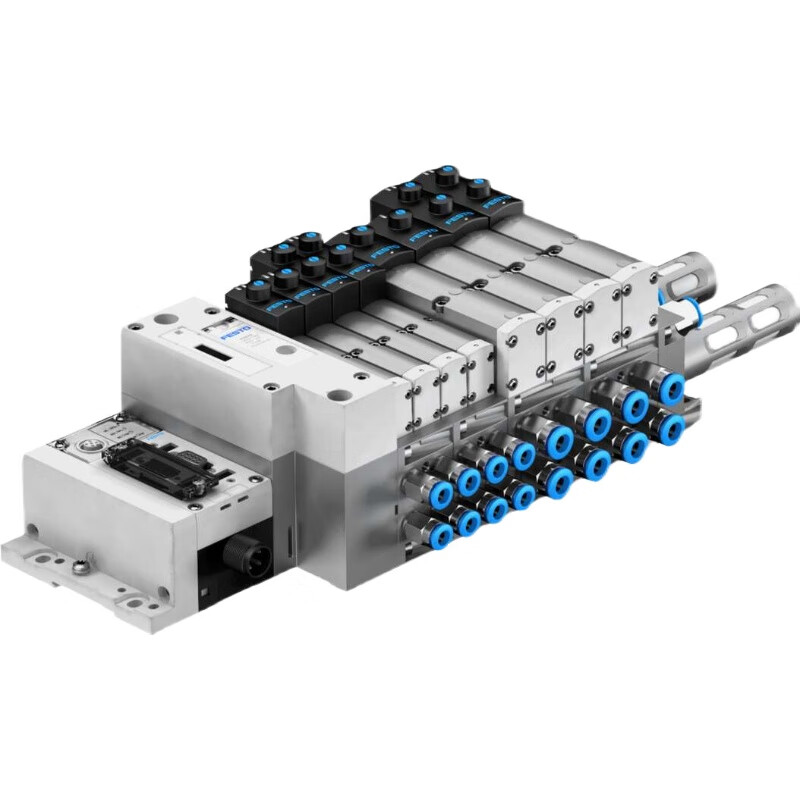
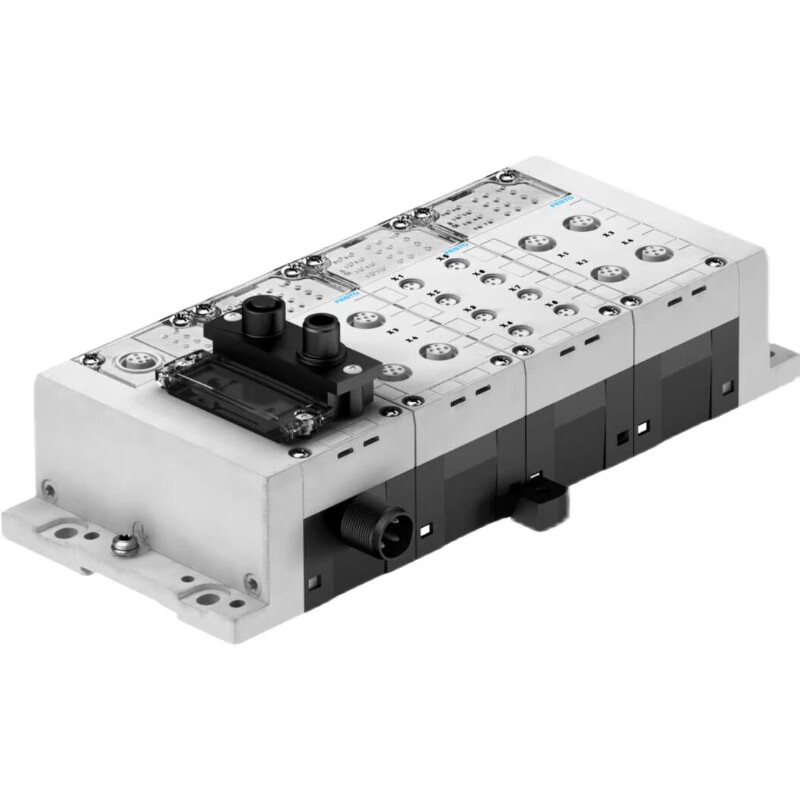
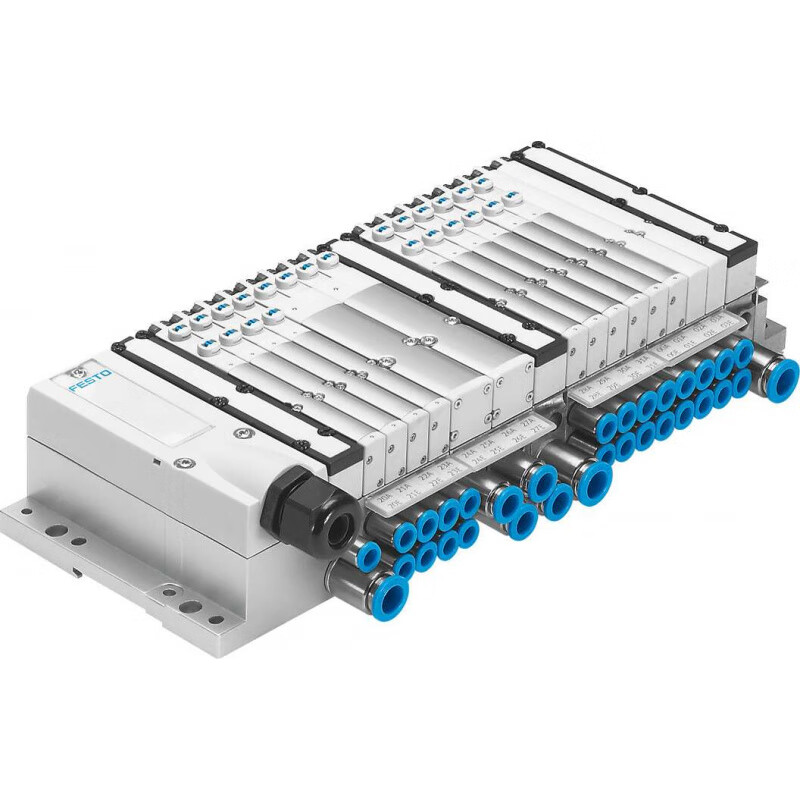
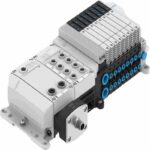
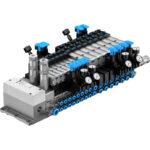
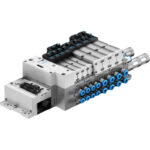
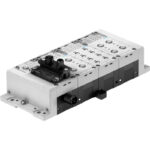
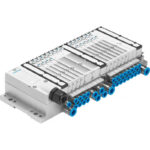
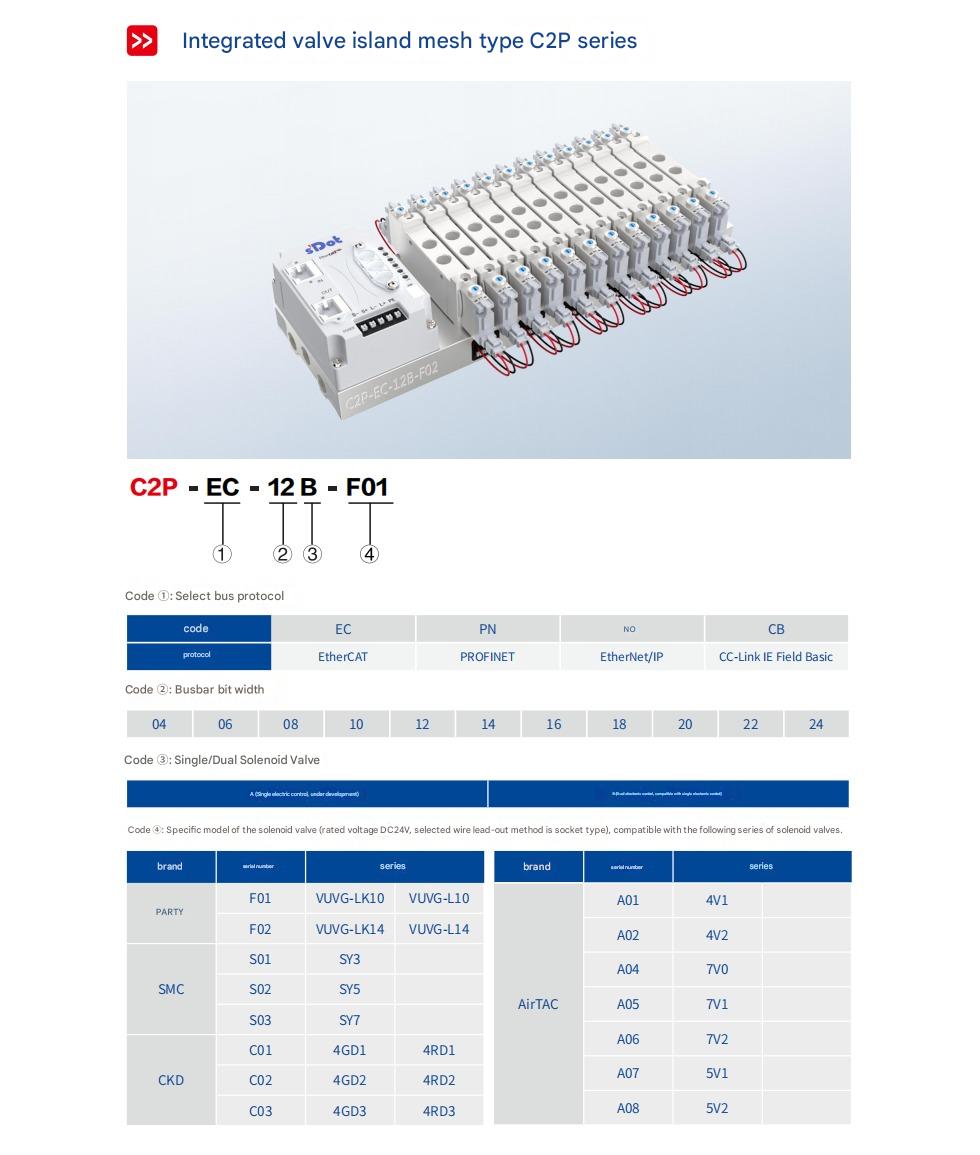
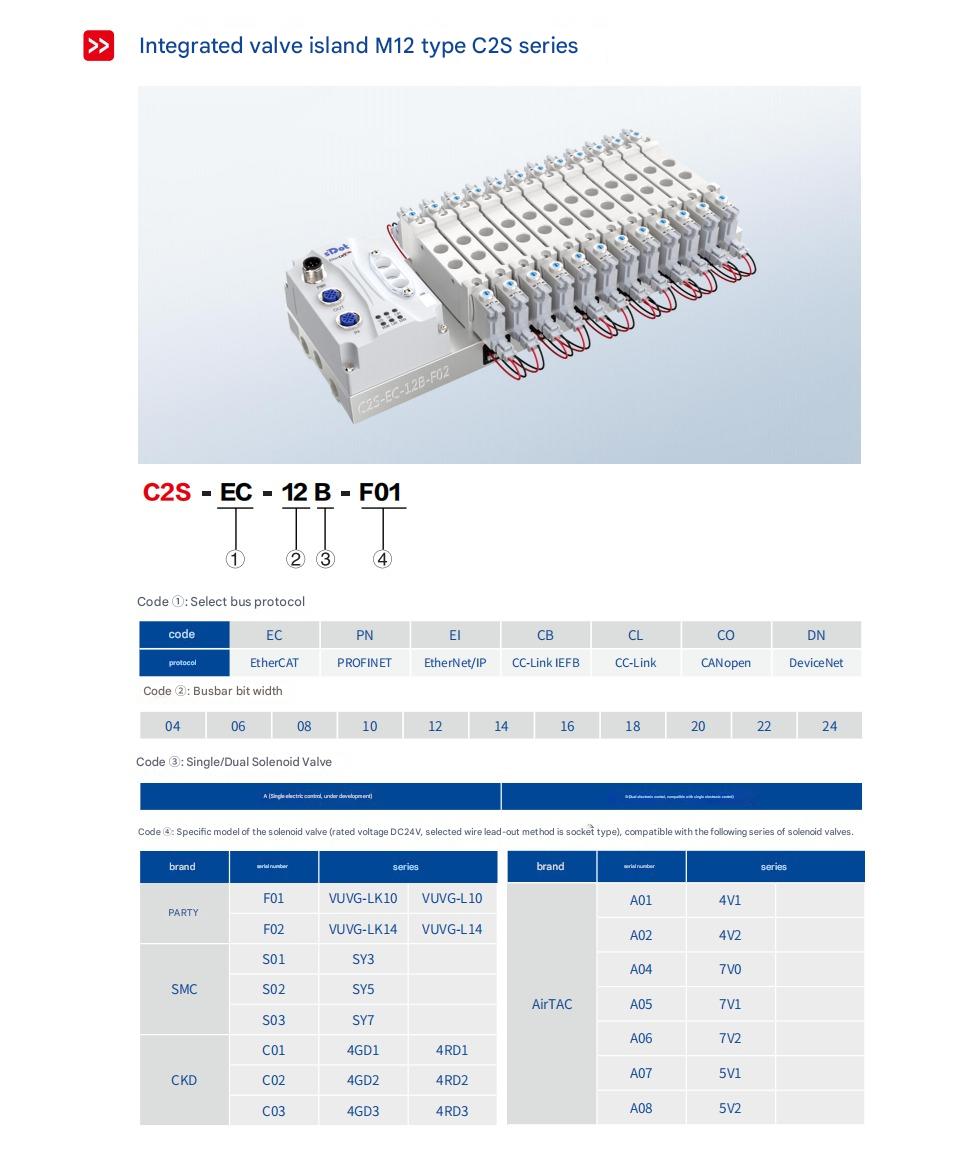
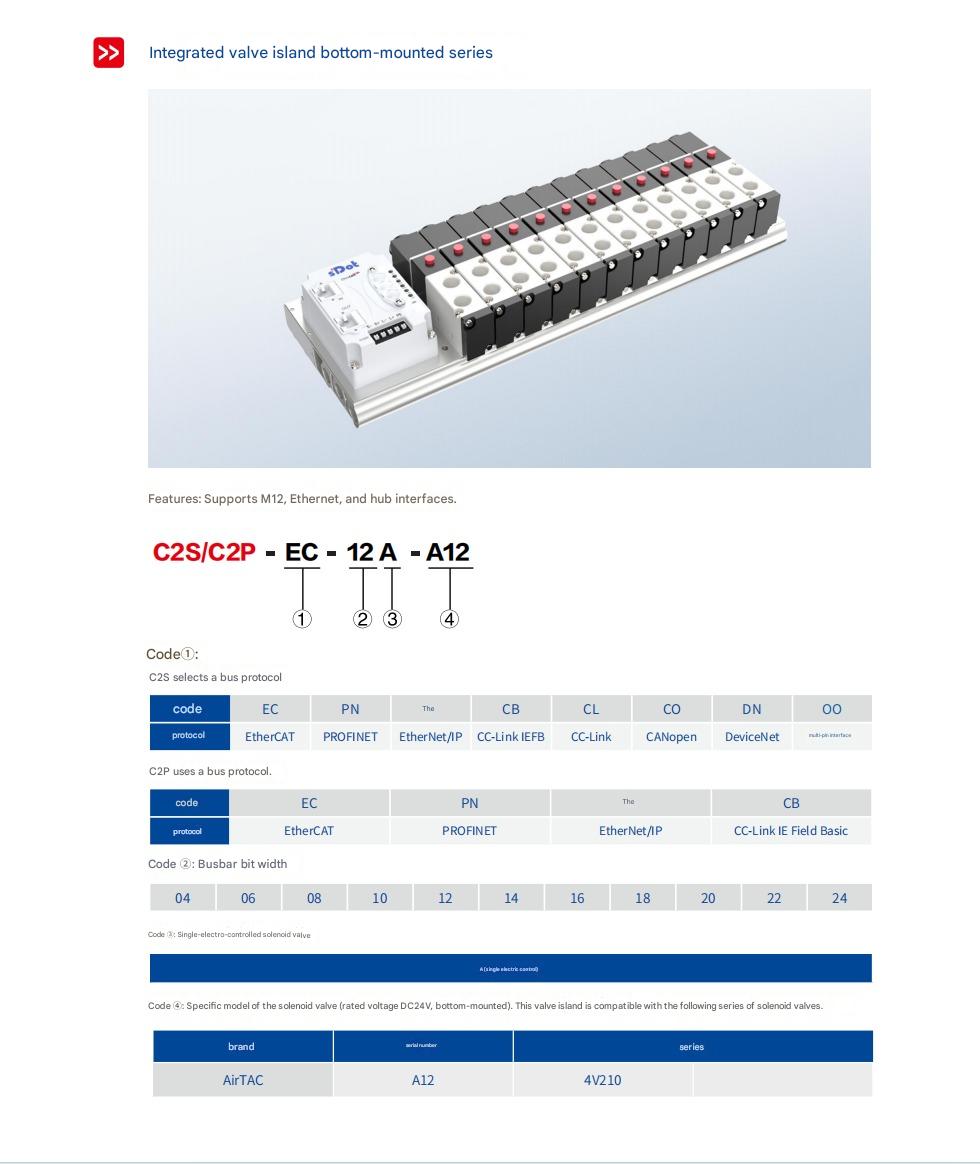
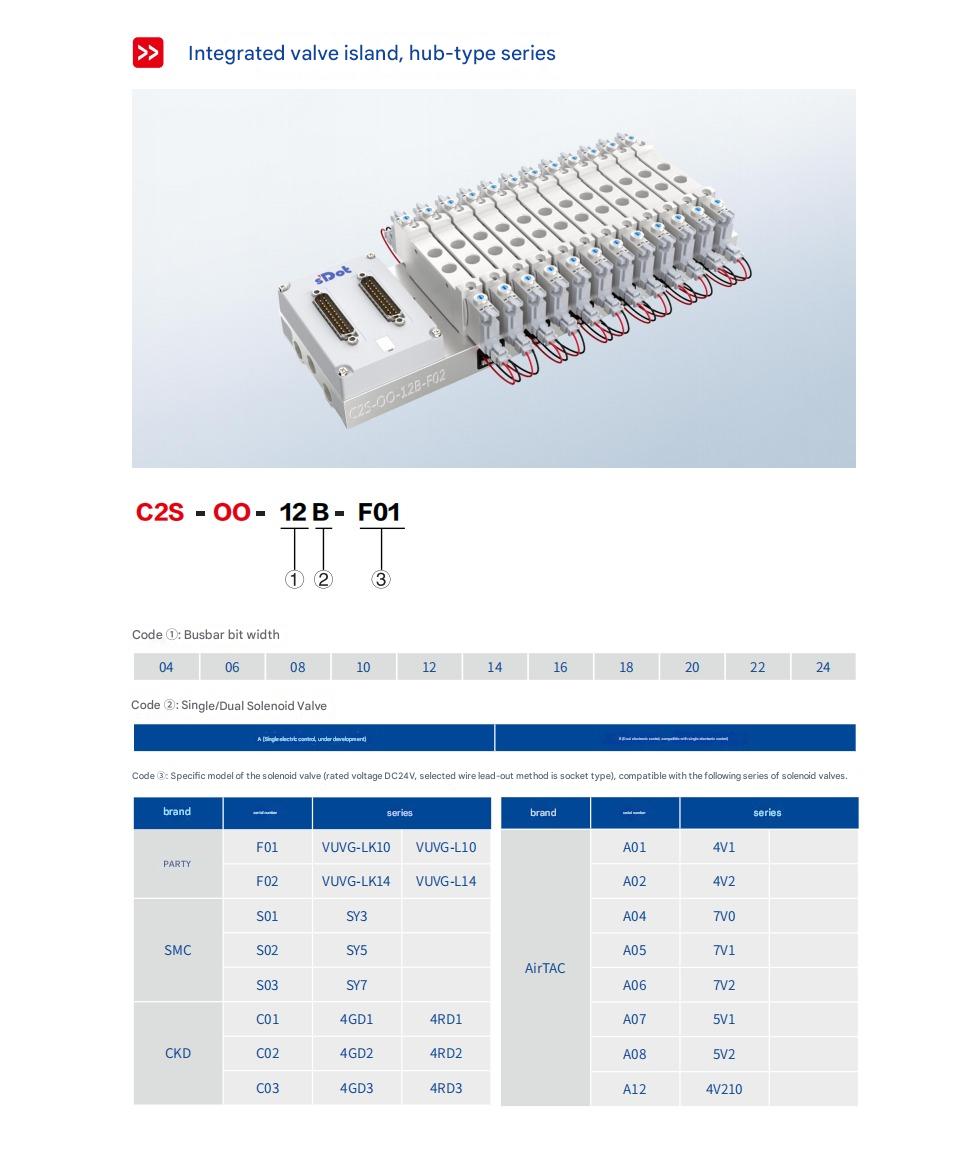
Industrial Valve Terminal | Fieldbus/Modular Pneumatic Control Valve for Automotive & Heavy Industry
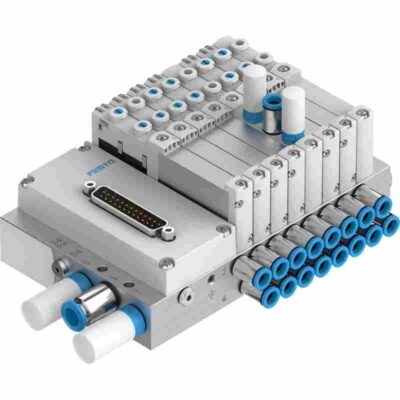
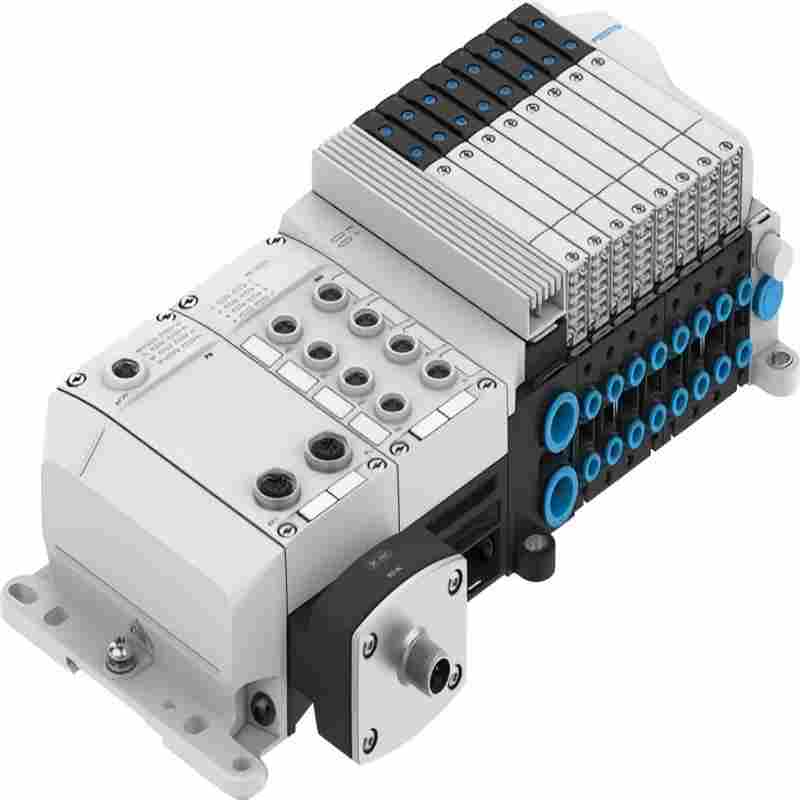
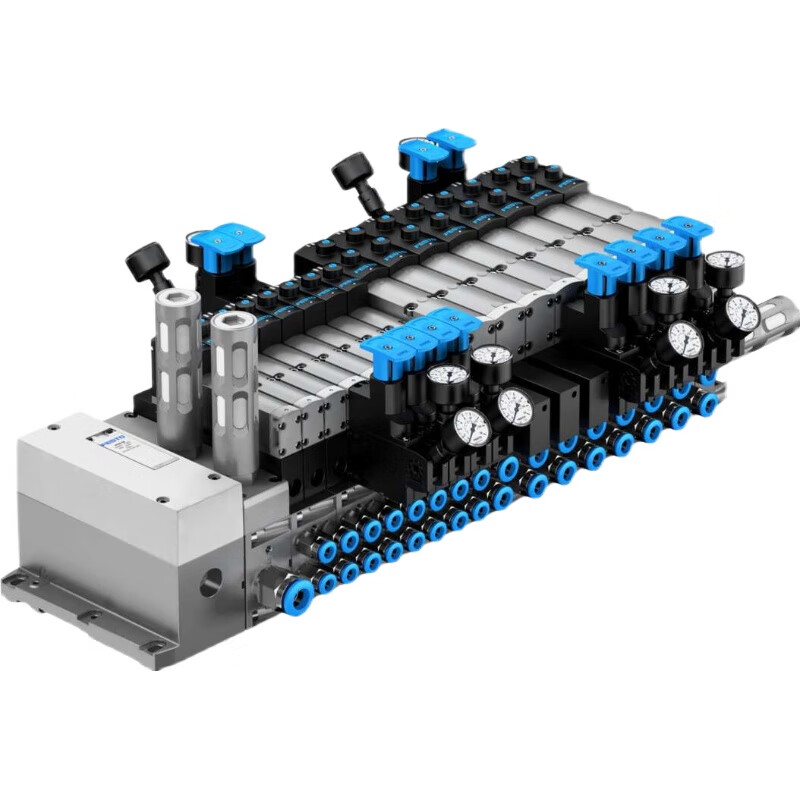
A valve terminal (also known as valve manifold) is an integrated electro-pneumatic control component that combines multiple solenoid valves, signal I/O modules, and control units into one compact unit. Designed to simplify pneumatic system wiring via multipole connectors or fieldbus technology, it has become a cornerstone of industrial automation—evolving from basic multipole models to advanced fieldbus, programmable, and modular configurations. By integrating fieldbus technology, valve terminals streamline system commissioning, diagnostics, and maintenance, making them indispensable for modern manufacturing, especially in automotive and heavy industry sectors .
1. Core Product Types & Performance Features
1.1 Multipole Connector Valve Terminal
- Wiring Simplification: Reduces complex connections between PLC, solenoid valves, and sensors to a single multipole cable and plug, eliminating the need for junction boxes .
- Built-in Protection: Integrates polarity protection, optical isolation, and waterproof functions to ensure stable operation in harsh industrial environments.
- Cost-Effective: Ideal for small-to-medium pneumatic systems with straightforward control requirements, offering reliable performance at an accessible price point.
1.2 Fieldbus Valve Terminal
- Advanced Connectivity: Supports universal protocols (Profinet, EtherCAT, Ethernet/IP, CANopen) for seamless integration with all PLC models .
- Efficient Wiring: Uses 2/4-core cables for bidirectional data transmission, minimizing cable thickness and length even for complex control loops.
- Daisy-Chain Capability: Features bus input/output ports for serial connection of multiple valve terminals or fieldbus devices, optimizing space and installation efficiency.
- Diagnostic & Hot-Swap Functions: Enables real-time error detection (short circuit, undervoltage) and tool-free replacement, reducing downtime .
1.3 Modular Valve Terminal
- Flexible Control Modules: Central control unit supports three configurations—multipole, fieldbus, or programmable—to adapt to diverse system needs.
- Customizable Expansion: Allows easy addition/removal of valve modules without reconfiguring the entire system, supporting scalability for changing production demands.
- Wide Compatibility: Works with 9-24V wide voltage supply and industrial-grade components, ensuring durability in extreme temperatures (-20℃~+60℃).
2. Key Advantages
- Streamlined Automation: Integrates signal processing and control functions, reducing pneumatic system complexity by 40% compared to traditional discrete valve setups .
- Strong Anti-Interference: Digital signal transmission minimizes electromagnetic interference, ensuring stable performance in high-noise industrial environments.
- Cost & Time Savings: Cuts wiring, installation, and maintenance time by 50%; modular design lowers replacement costs and extends product lifespan.
- Future-Proof Design: Compatible with Industry 4.0 standards, supporting networked and modular pneumatic automation systems .
3. Industrial Applications
- Automotive Manufacturing: Used in assembly lines, brake systems, transmission control, and EV battery thermal management—critical for electric and hybrid vehicle production .
- Heavy Industry: Ideal for metal processing, mining equipment, and construction machinery, where reliable pneumatic control in harsh conditions is essential.
- General Industrial Automation: Applied in packaging machinery, material handling systems, and production lines requiring precise, repeatable valve control .