- Motion Control
- Leadshine IDM Series Integrated Smart Motor with Driver | Compact, Plug-and-Play, High Acceleration, Easy Installation
- ISV2 Series Intelligent Integrated Low Voltage Servo Motor – CANopen & RS485 Communication For Automation Solution
- Integrated Closed-Loop Stepper Motor Series Stepper motor + Drive + Controller
- Leadshine 5CM 5-Phase Stepper Motors Low Vibration for Optical Communication Modules
- Leadshine 57CME Series Closed Loop Stepper Motor | High Torque Low Heat High Stability & Consistent Performance for Precision Machine
- Leadshine 57CM Series NEMA23 Stepper Motor | High Torque Low Heat High Consistency 0.6-3.1Nm
- DM5-EC 5-Phase EtherCAT Stepper Motor Driver High Precision Low Vibration for Semiconductor, Medical & Industrial Automation Import Replacement
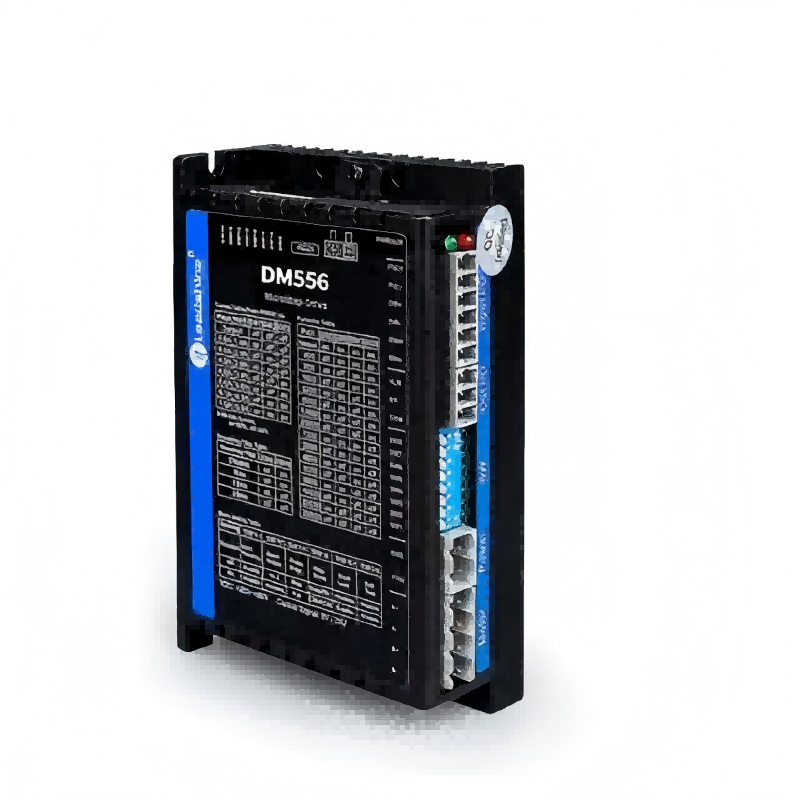
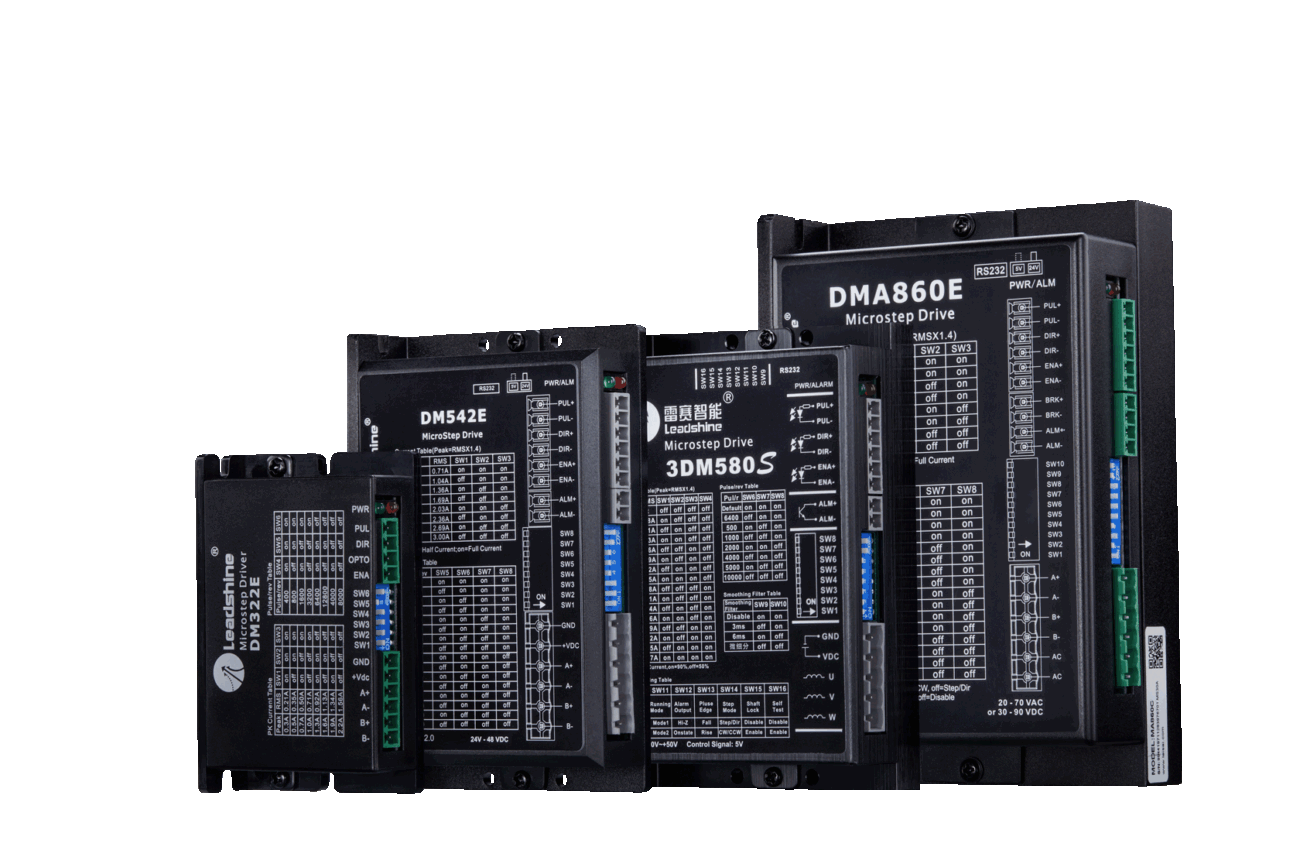
- Leadshine DM Open-loop Stepper Driver 32-bit DSP Motor Controller with Advanced Control Tech, Low Vibration High Reliability for Industrial Automation
- Leadshine DM3C EtherCAT Bus Stepper Driver, 32-bit DSP 100Mb/s High-speed CoE CiA402 Drive, Multi Control Mode, Anti-vibration No Step-loss, Cost-effective Industrial Multi-axis Motion Controller
- Leadshine L8 High Precision AC Servo Drive EtherCAT Support for Semiconductor Manufacturing
- Leadshine L7 Series Universal AC Servo System | EtherCAT Modbus Profinet Servo Drive with High Bandwidth, STO Safety & High-Precision Encoder for Robotics, Laser & Machine Tool Automation
- Leadshine ACM Series Compact AC Servo Motor 50W-1000W, 21bit Encoder, IP67, CE/UL Certified, High Overload Performance
- Leadshine MC500 PLC | EtherCAT 32-Axis Motion Controller with Dual-Core, IEC 6 Languages for 3C, PV, Lithium Battery, Logistics & Packaging Automation
- Leadshine LC Series Large PLC Controller – CODESYS Platform 256-Axis EtherCAT Motion Controller
- R Series EtherCAT Remote I/O Modules for Flexible and Scalable Industrial Automation
- Siemens AC Servo Motors | High Precision Closed-Loop Motion Control, Synchronous & Induction Motors for Robotics, CNC Machine Tools, Packaging and Semiconductor Equipment
- Panasonic MINAS A6/A7 Series AC Servo Motor 50W-22kW – 23bit Encoder, 3x Overload, IP67, 3.2kHz Response, PLC Compatible for High-Precision Industrial Automation
- Delta Servo Systems Delta PLC
- Linear Motion Module
- High Precision Ball Screw Slide Table Heavy Duty Linear Module for Industrial Automation CNC Equipment Parts
- Cleanroom Ball Screw Linear Module, Low Particle Release High Rigidity Dustless Linear Actuator for Semiconductor Medical Industrial Automation Equipment
- Embedded Screw Slide Table: Compact Integrated Linear Module with High Rigidity, Low Maintenance & Cost-Effective Design for Industrial Automation
- Industrial Gear Reducer
- High Precision Planetary Gear Reducer With Low Backlash, High Torque Density for Robotics & CNC Automation
- Helical Gear Reducer – Low Noise Heavy Duty Modular Design Industrial Gearbox with Easy Maintenance
- Industrial Modular Helical Gear Reducer – Smooth Transmission, Strong Overload Resistance & Flexible Mounting, Suitable for Chemical, Textile & Heavy-Duty Equipment
- Robotic Arm
- Vision & Sensor Systems
- SICK Vision Sensor for High-Precision Machine High Accuracy Detection & Positioning for Smart Factories & Robotics
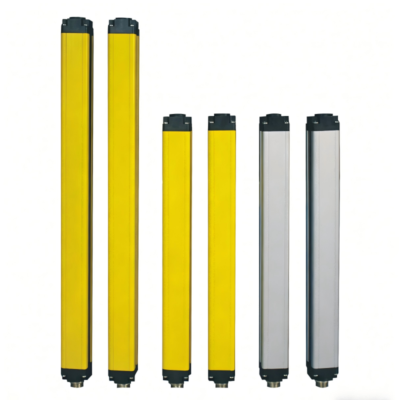
- SICK Photoelectric Sensor Safety Light Curtains – IP67 Safety Protection for Machine Guarding
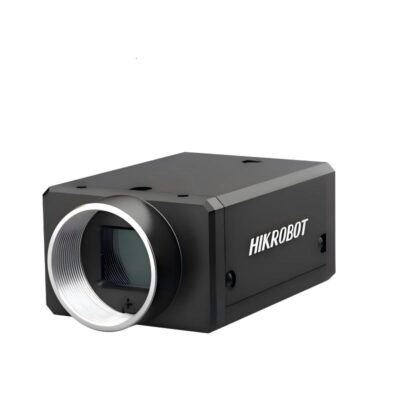
- Hikvision CU Series Cost-Effective Industrial Camera Built-in ISP Algorithm with WDR GigE Vision & USB3.0 Interface for Industrial Machine Vision
- Pneumatic Components
- Airtac Air Source Treatment Three-in-One Unit Preparation Units Filter Regulator & Lubricator for Industrial Automation Systems
- AIRTAC Solenoid Valve | Direct/Semi-Direct/Pilot Operated, Leak-Proof & Explosion-Proof DN50, Industrial Fluid Control for Automation, Chemical & Mechanical Piping
- Pneumatic Slide Table Cylinder – ±0.01mm Precision Compact Integrated High Rigidity Durable for Automation
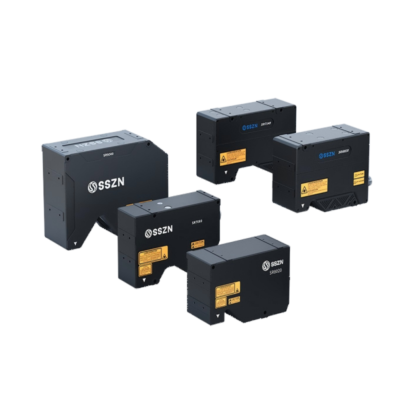
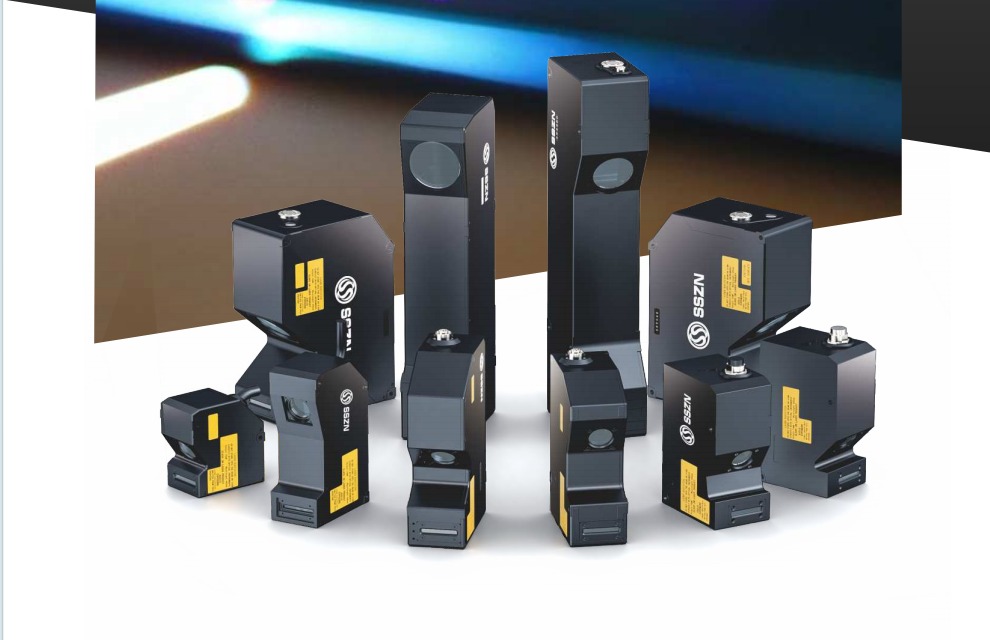
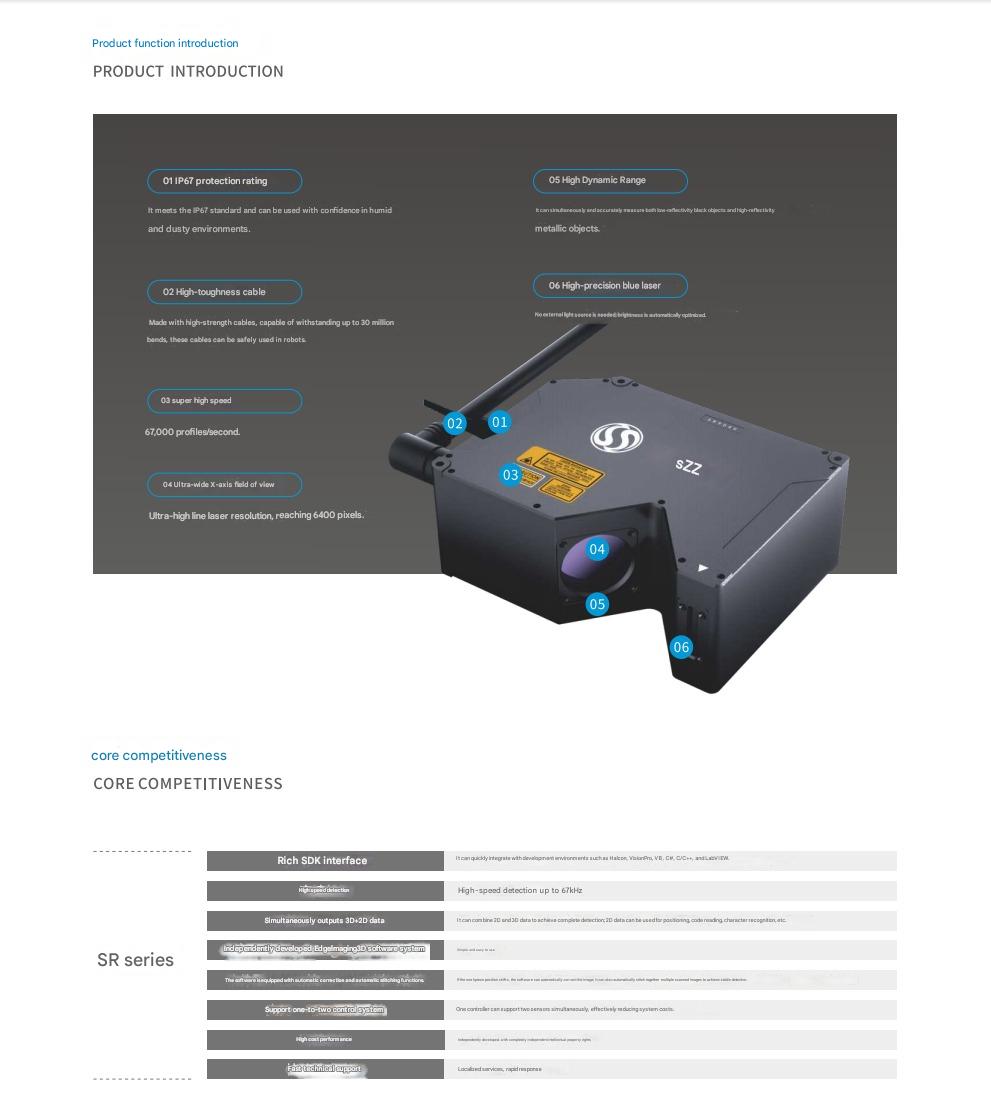
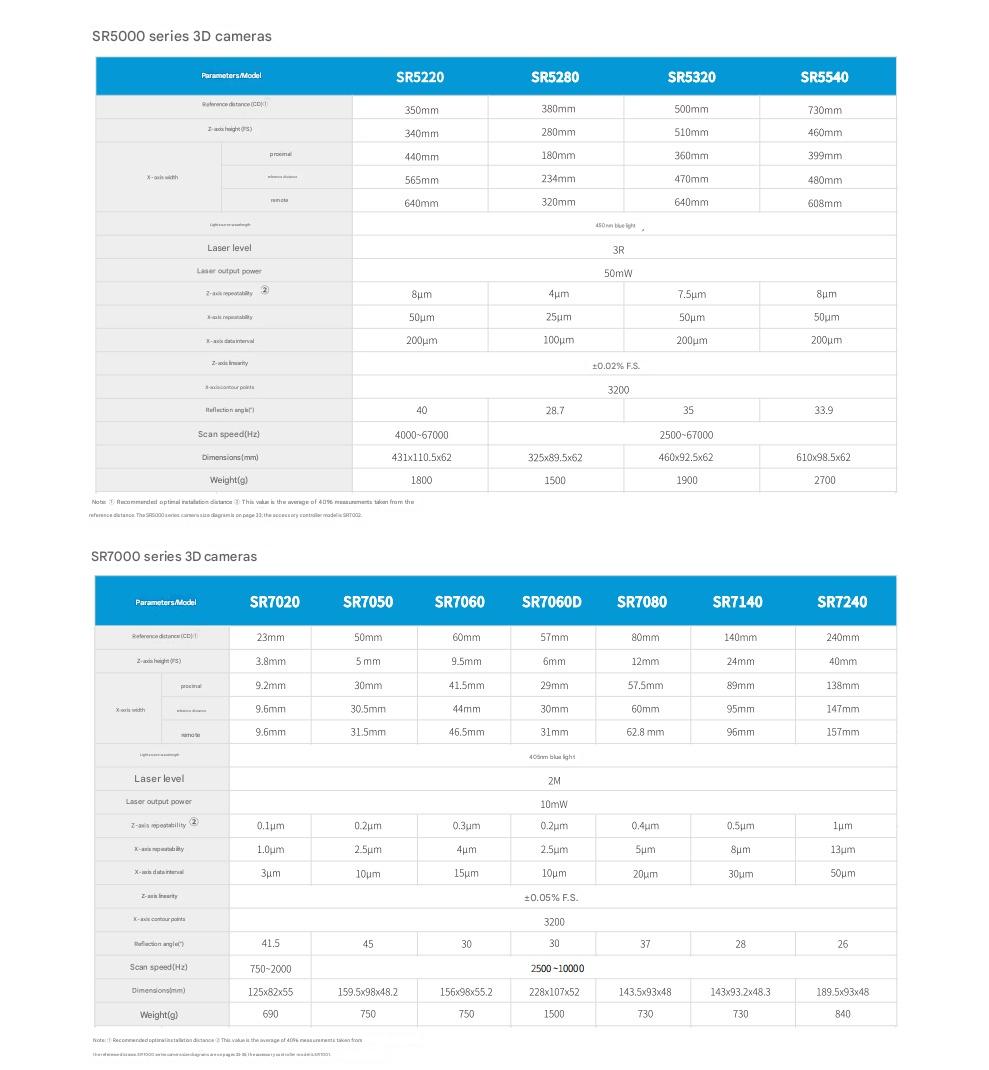
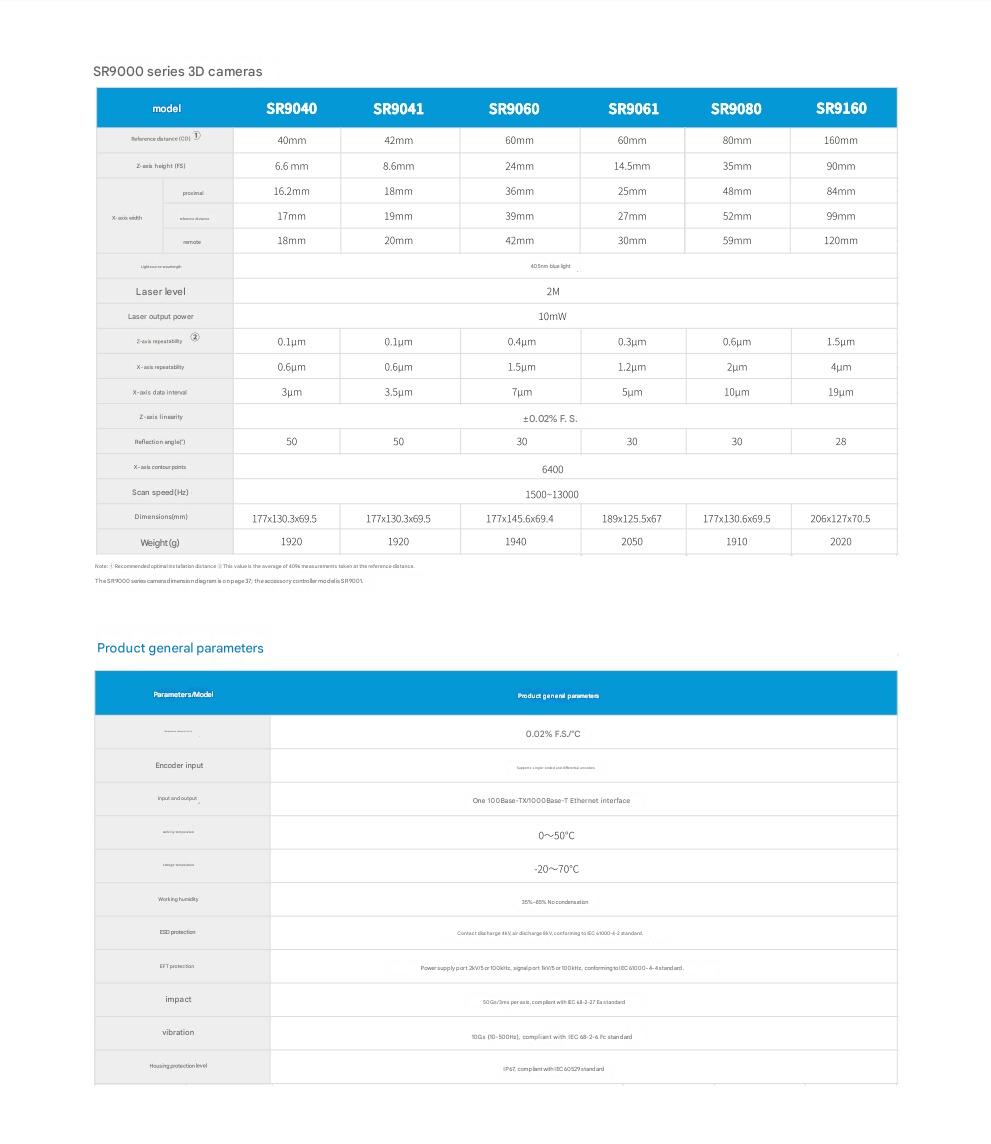
3D vision inspection system, 2D machine vision limitation, 3D height difference detection, surface defect inspection, automated OCR positioning, weld shape detection, XYZ 3D coordinate inspection)
Traditional 2D machine vision systems are widely applied in automated production for appearance inspection, dimensional measurement, workpiece positioning, and OCR character recognition. They analyze and identify defects relying on surface grayscale contrast, color tone difference and surface texture features of workpieces. To boost detection accuracy, manufacturers adopt high-pixel vision cameras, customized industrial lenses, optimized lighting solutions and professional image preprocessing algorithms to stabilize 2D imaging performance.
However, even with advanced 2D image optimization technologies, conventional 2D visual inspection still faces unavoidable technical bottlenecks and unsolved challenges in industrial quality control.
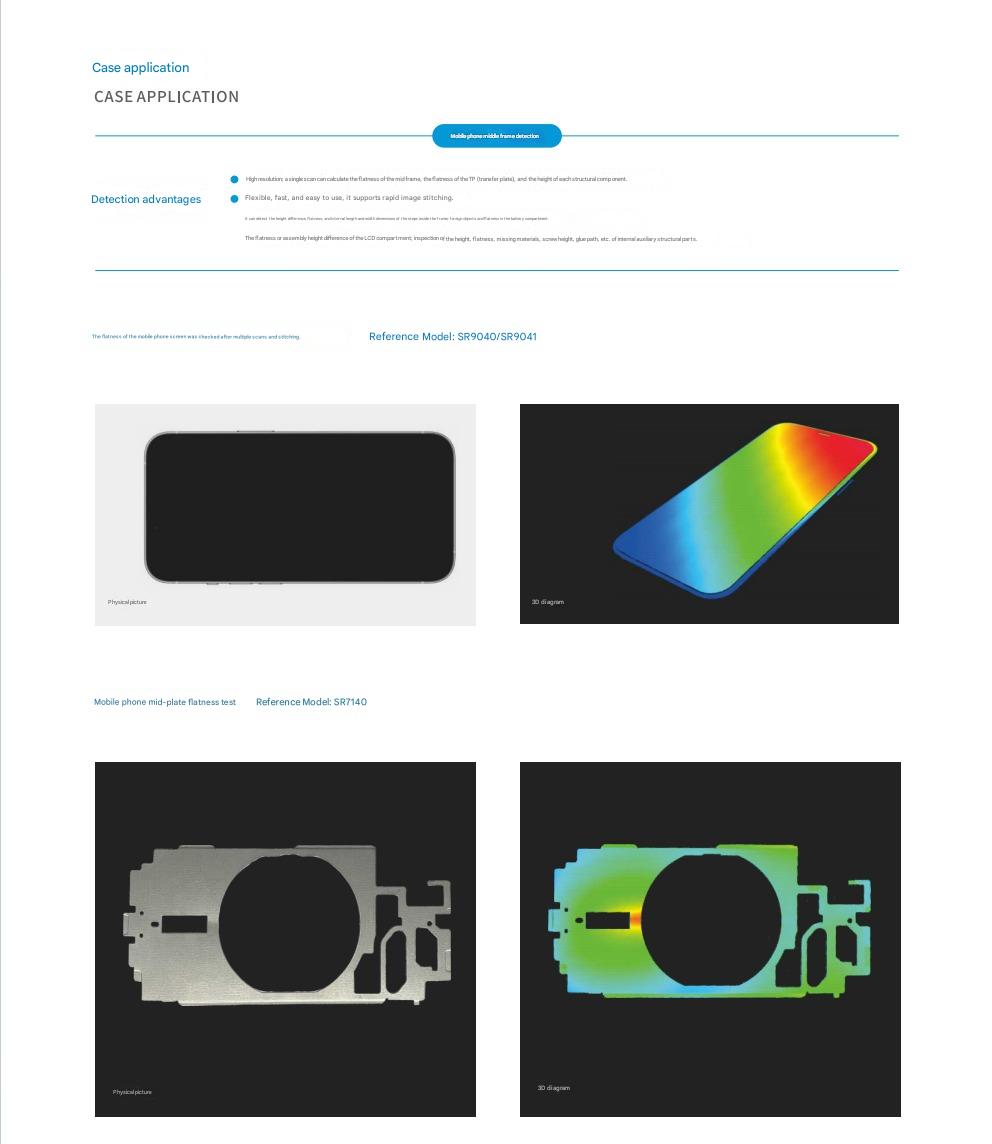
It is difficult for flat 2D images to accurately identify color fading, chromatic aberration, surface blemishes and image distortion, measure defect depth and surface deformation, judge product volume and capacity qualification, and inspect weld & fusion joint profiles. All these depth-related, spatial and shape detection tasks can only rely on manual visual inspection, resulting in low efficiency, unstable judgment standards and high labor costs.
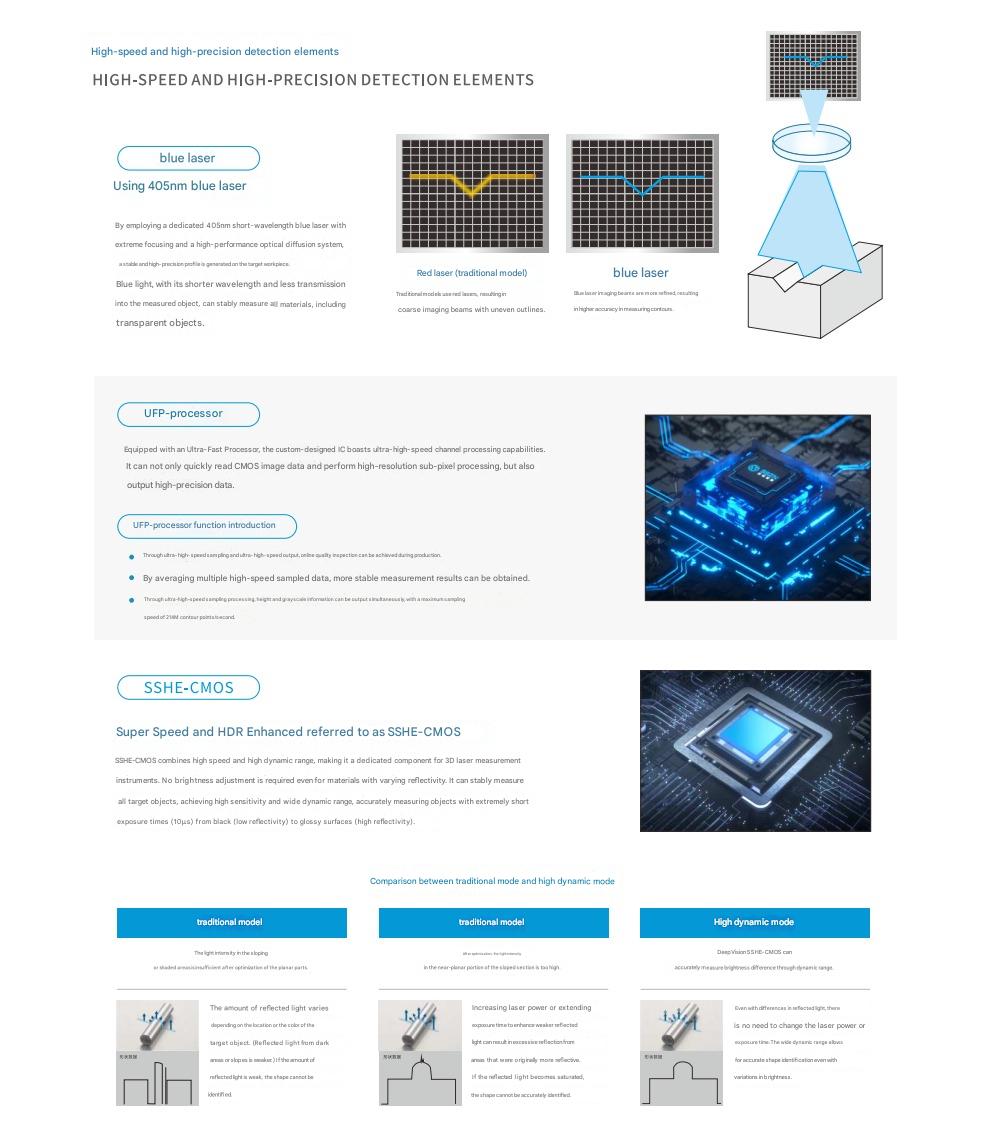
To solve the inherent limitations of 2D inspection, 3D vision detection technology has become the core and reliable solution for modern industrial quality testing. Different from 2D vision that only captures planar grayscale information, the 3D inspection system collects complete XYZ three-dimensional coordinate data, acquiring both surface texture and real height information of workpieces for all-round spatial detection.
Traditional 2D inspection is highly susceptible to external interference, including workpiece color, surface patterns, material glossiness, ambient light changes and reflective surfaces. These factors easily cause unstable detection results for tiny dents, subtle scratches and same-color surface defects. Even with grayscale correction, spot removal, contrast adjustment and other preprocessing functions, 2D vision cannot eliminate environmental interference and improve deep defect recognition accuracy fundamentally.
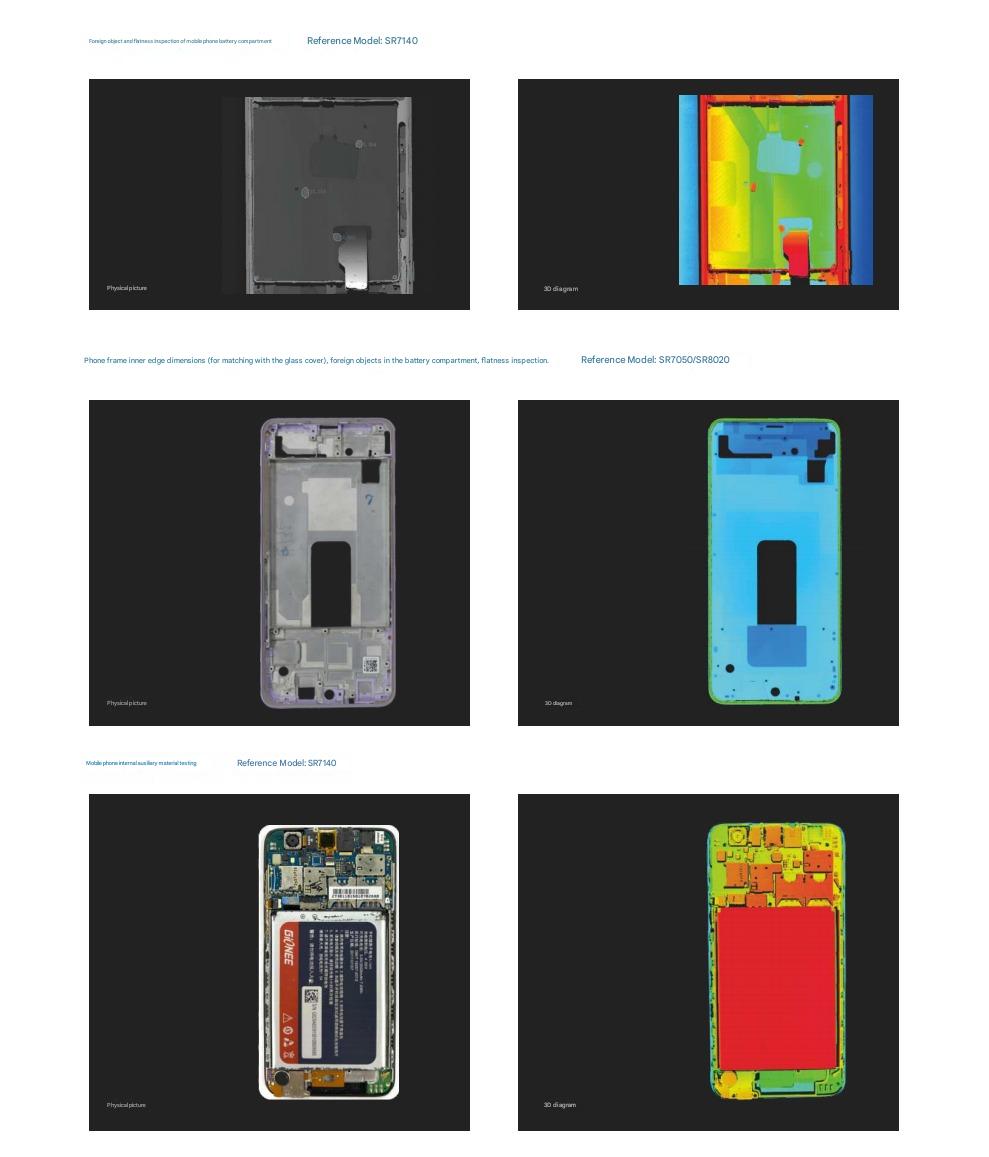
With powerful 3D spatial imaging capabilities, the 3D vision inspection system perfectly makes up for 2D vision shortcomings. It realizes stable and fully automated detection of hard-to-identify defects, including same-pattern surface flaws, tiny indentations, uneven flatness and subtle deformation, without being affected by surface color, gloss or lighting conditions.
Moreover, supported by real height data and XYZ spatial coordinates, the 3D vision system can perform in-depth detection based on height discrimination, cross-sectional area calculation and volume data analysis. It greatly expands the application scope of industrial visual inspection, covering flatness detection, height difference measurement, 3D deformation analysis, volume qualification judgment and weld contour inspection.
3D vision technology realizes intelligent, high-precision and fully automated quality inspection, effectively replacing manual visual detection, reducing production errors, improving product yield, and providing a more stable, efficient and comprehensive visual testing solution for intelligent manufacturing