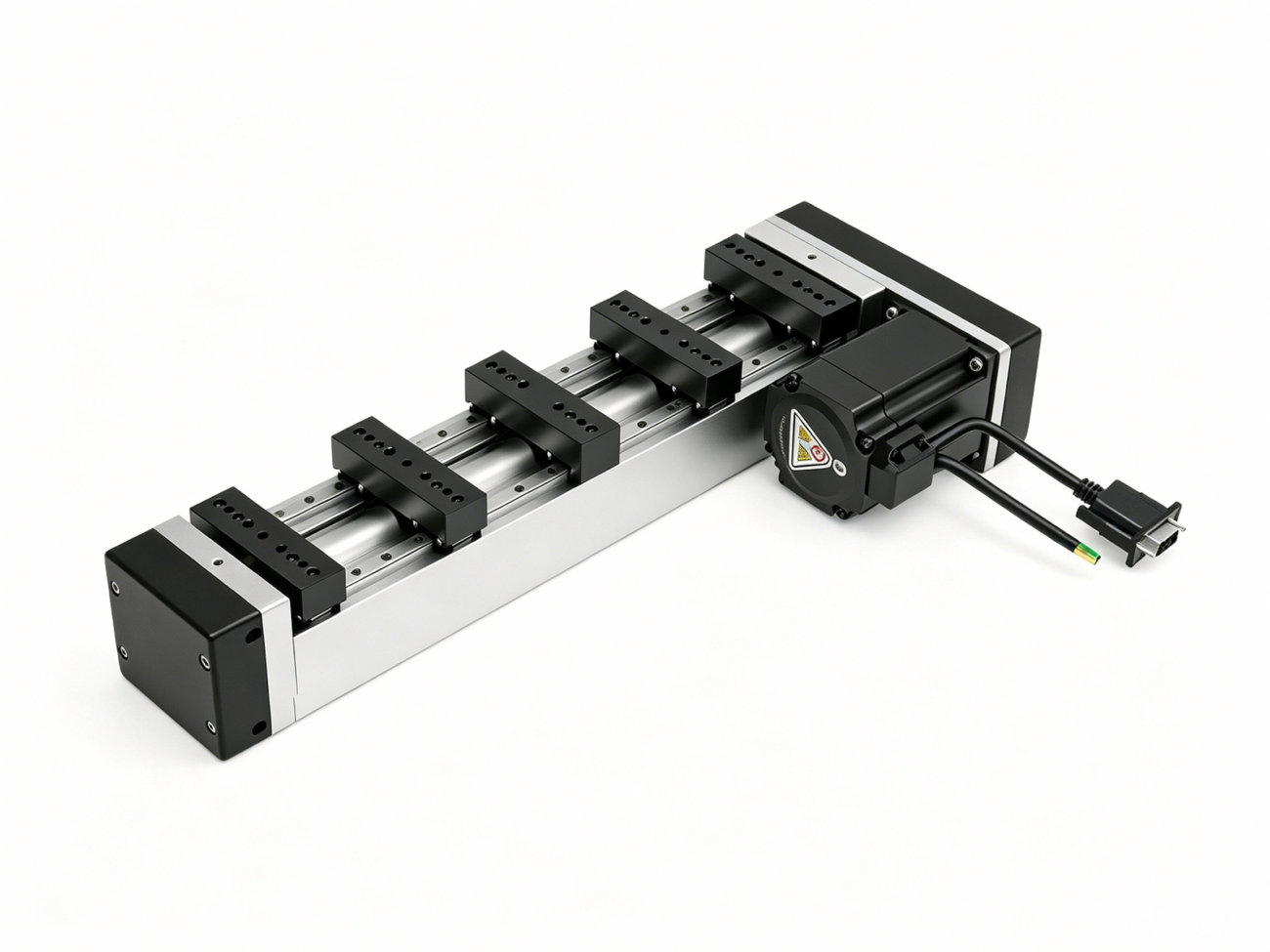
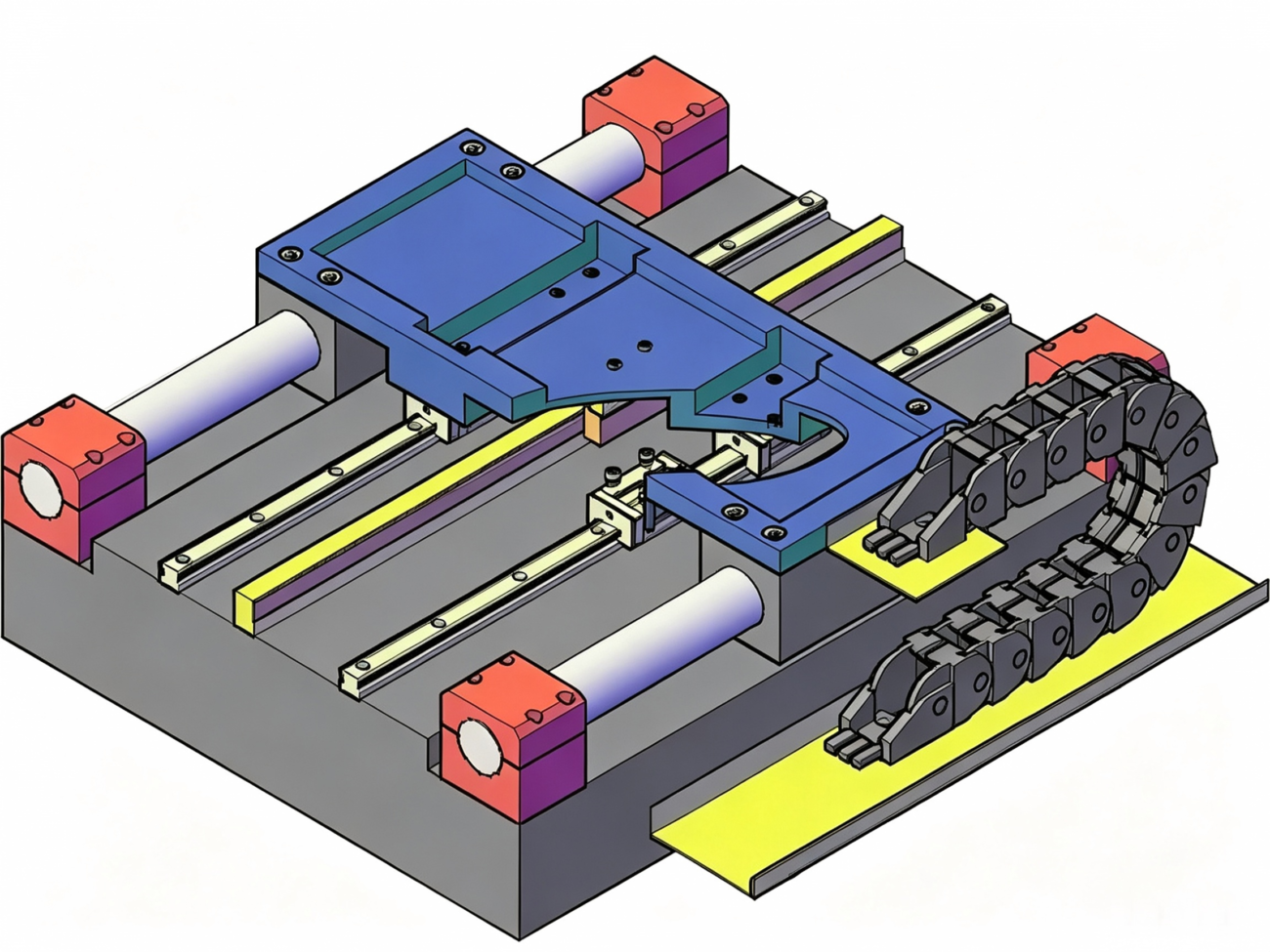
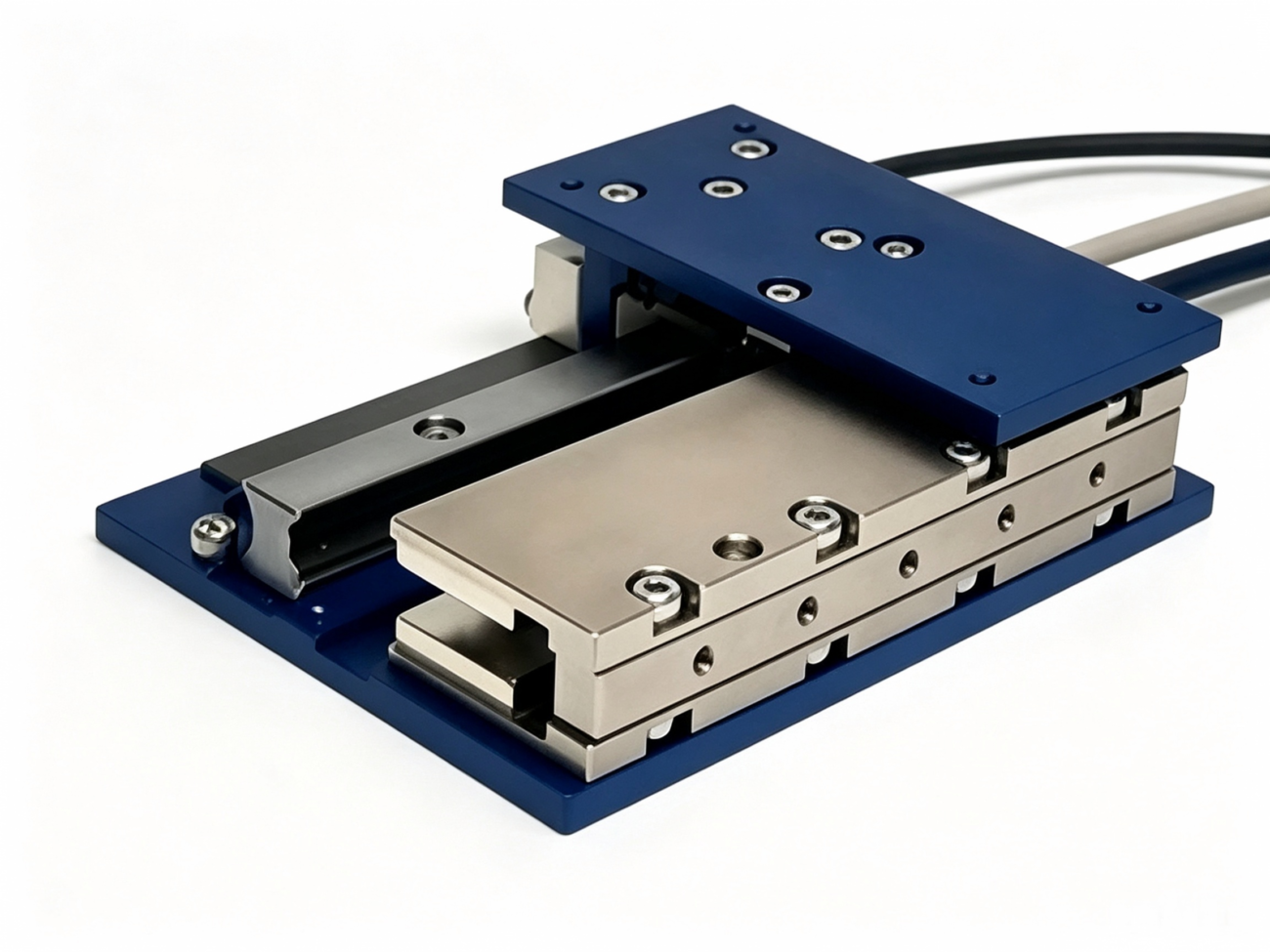
Basic Differences Between Electric and Pneumatic Cylinders
1. Drive Mechanism:
Electric Cylinder: Driven by electric motors, electric cylinders provide precise motion control, adjustable speed, and high accuracy, making them ideal for applications that require fine positioning and control.
Pneumatic Cylinder: Powered by compressed air, pneumatic cylinders deliver fast response times and high force, making them suitable for applications that require quick movements and substantial push/pull forces.
2. Precision and Control:
Electric Cylinder: With precise motor control, electric cylinders offer high positioning accuracy and quick response, making them ideal for applications like robotics and high-precision manufacturing.
Pneumatic Cylinder: While pneumatic cylinders may lack the fine precision of electric cylinders, they excel in speed and power, ideal for tasks that require high force and quick action.
3. Power Supply:
Electric Cylinder: Powered by electricity, electric cylinders are generally more energy-efficient, especially for long-term operation. Additionally, they do not produce emissions, making them a more environmentally friendly choice.
Pneumatic Cylinder: Pneumatic cylinders rely on compressed air, which can lead to higher energy consumption and maintenance costs for air systems. It is crucial to maintain consistent air pressure and quality for optimal performance.
4. Maintenance and Cost:
Electric Cylinder: Electric cylinders require minimal maintenance, especially in high-frequency, high-precision applications. They have a longer lifespan and operate more smoothly compared to pneumatic cylinders.