Why the High Torque Stepper Motor Matters in Modern Automation
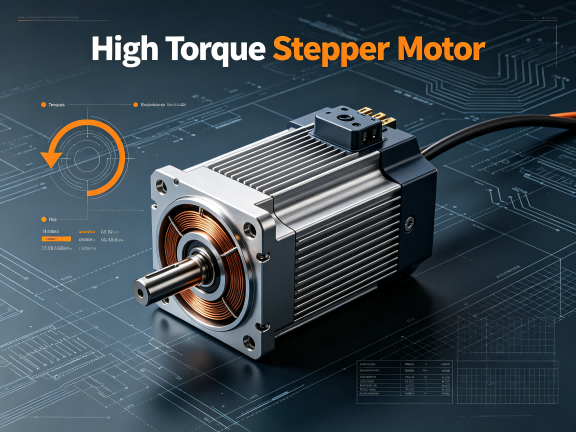
A high torque stepper motor is one of the most critical electromechanical components in precision motion systems, bridging the gap between digital control signals and powerful mechanical movement. In CNC machinery, robotics, 3D printing, semiconductor equipment, and automated production lines, torque stability and positional accuracy directly determine system performance. That is why the demand for a reliable high torque stepper motor continues to grow rapidly across industrial automation markets.
Unlike conventional DC or servo alternatives, a high torque stepper motor delivers full holding torque at zero speed, enabling precise positioning without feedback in open-loop systems—or ultra-stable closed-loop performance when paired with encoders. This makes it especially valuable in systems requiring repeatability, stiffness, and low-speed force control.
From compact desktop equipment to heavy-duty industrial gantries, the high torque stepper motor family spans a wide performance range, including high torque stepper motor nema 17, high torque stepper motor nema 23, nema 34 high torque stepper motor, and even nema 42 high torque stepper motor variants for extreme-load applications. Torque outputs can range from 0.3 Nm in micro systems to over 8.5 Nm in industrial-grade machines.
In this article, we provide a deep technical breakdown of architecture, selection criteria, drivers, and real-world applications of high torque stepper motor systems, along with market comparisons and sourcing strategies—including solutions from HCY Automation, a leading provider of motion control systems.
What is a High Torque Stepper Motor?
A high torque stepper motor is a brushless synchronous motor that divides a full rotation into discrete steps and delivers elevated holding and dynamic torque compared to standard stepper designs. It is widely used in applications where low-speed force and positional accuracy are more important than high rotational speed.
In technical terms, a stepper motor with high torque operates through electromagnetic phase switching in a 2-phase or multi-phase stator configuration. Most industrial models are stepper motor high torque 2 phase hybrid stepper motor designs, combining permanent magnet and variable reluctance principles.
Key characteristics include:
High holding torque at standstill (stepper motor with high holding torque)
Excellent low-speed performance (low speed high torque stepper motor)
Predictable step angles (typically 1.8° or 0.9°)
Compatibility with microstepping drivers
Open-loop or closed-loop control capability
A common question is: does stepper motor have high torque? The answer is yes—specifically, a high holding torque stepper motor is designed to maximize static force, especially in NEMA 23 and NEMA 34 configurations.
Modern variants include:
high torque dc stepper motor
high torque hybrid stepper motor
high torque micro stepper motor
high torque mini stepper motor
These variations allow engineers to match torque output with spatial and thermal constraints.
NEMA Frame Standards and Torque Comparison
The mechanical footprint of a high torque stepper motor is defined by NEMA standards, which are critical when selecting motors for mechanical integration.
Torque and Frame Comparison Table
NEMA Size
Typical Torque Range
Voltage
Use Case
NEMA 17 (nema17 high torque stepper motor)
0.3 – 0.6 Nm
12V / 24V
3D printers, small CNC
NEMA 23 (nema 23 stepper motor high torque)
1.0 – 3.9 Nm
24V / 36V
CNC routers, laser cutters
NEMA 34 (nema 34 high torque stepper motor)
3.5 – 8.5 Nm
48V
Industrial automation
NEMA 42 (nema 42 high torque stepper motor)
8.0 – 20+ Nm
48V–60V
Heavy industrial systems
A widely used industrial configuration is the nema 23 stepper motor high torque 3.0 nm or nema 23 high torque stepper motor 3.9amp, balancing cost, torque, and thermal efficiency.
For extreme applications, engineers use nema 34 stepper motor high torque 8.5nm systems for heavy gantry movement.
Types of High Torque Stepper Motors
The high torque stepper motor ecosystem includes multiple design architectures optimized for different applications.
1. Hybrid High Torque Stepper Motor
The most common architecture is the high torque hybrid stepper motor, combining PM and VR technologies for maximum efficiency.
2. Closed-Loop Systems
A high torque closed loop stepper motor integrates encoder feedback, eliminating missed steps and improving torque utilization by 20–30%.
3. Encoder-Based Designs
A high torque stepper motor with encoder provides real-time position verification, ideal for robotics and precision CNC.
4. Geared Stepper Motors
A high torque stepper motor with gearbox or high torque geared stepper motor uses planetary gear systems to multiply torque output.
5:1 gearbox → 5x torque increase
10:1 gearbox → 10x torque increase
This is widely used in high torque stepper motor gearbox linear actuators.
5. Compact and Mini Variants
high torque compact stepper motor
small size high torque stepper motor
high torque mini stepper motor
high torque stepper motor small
These are optimized for space-constrained systems like medical devices and compact robotics.
6. Flat and Special Geometry Motors
flat stepper motor high torque
flat high torque stepper motor
Used where axial length is restricted.
Torque-Speed Characteristics and Performance Behavior
A high torque stepper motor does not maintain constant torque across all speeds. Instead, it follows a torque decay curve.
Key Principles:
Maximum torque at zero speed (holding torque)
Rapid torque drop at high RPM
Voltage significantly affects performance
This leads to classification such as:
high speed high torque stepper motor
high torque low rpm stepper motor
To optimize performance:
Use 24V–48V systems (high torque stepper motor 24v, high torque stepper motor 12v, 5v high torque stepper motor for micro systems)
Use high-performance drivers
Reduce inductance load
Apply microstepping control
Driver and Controller Selection
Proper driver selection is critical for unlocking the full potential of a high torque stepper motor driver system.
Key Driver Types:
Chopper drivers (A4988, DRV8825)
Industrial digital drivers
Closed-loop servo-style stepper drivers
A complete system often includes:
high torque stepper motor with controller
high torque stepper motor arduino integration
PLC-based motion controllers
Driver Selection Factors:
Factor
Importance
Current rating
Must match motor phase current
Voltage input
Higher voltage = better speed torque
Microstepping
Improves smoothness
Feedback support
Required for encoder motors
A mismatch between driver and motor is one of the most common causes of performance loss in high torque stepper motor arduino projects.
Voltage Classes and Power Optimization
A high torque stepper motor can operate under different voltage configurations:
5V systems → micro robotics (5v high torque stepper motor)
12V systems → consumer automation (high torque stepper motor 12v)
24V systems → industrial standard (high torque stepper motor 24v)
48V systems → high-speed CNC systems
Higher voltage improves:
Acceleration
High-speed torque retention
System responsiveness
Applications of High Torque Stepper Motors
The high torque stepper motor is widely deployed in multiple industries:
Industrial Automation
CNC milling machines
Robotic arms
Packaging systems
3D Printing
Extruder systems
Z-axis lifting
Gantry motion
Robotics
Pick-and-place systems
Humanoid joints
AGV navigation systems
Linear Motion Systems
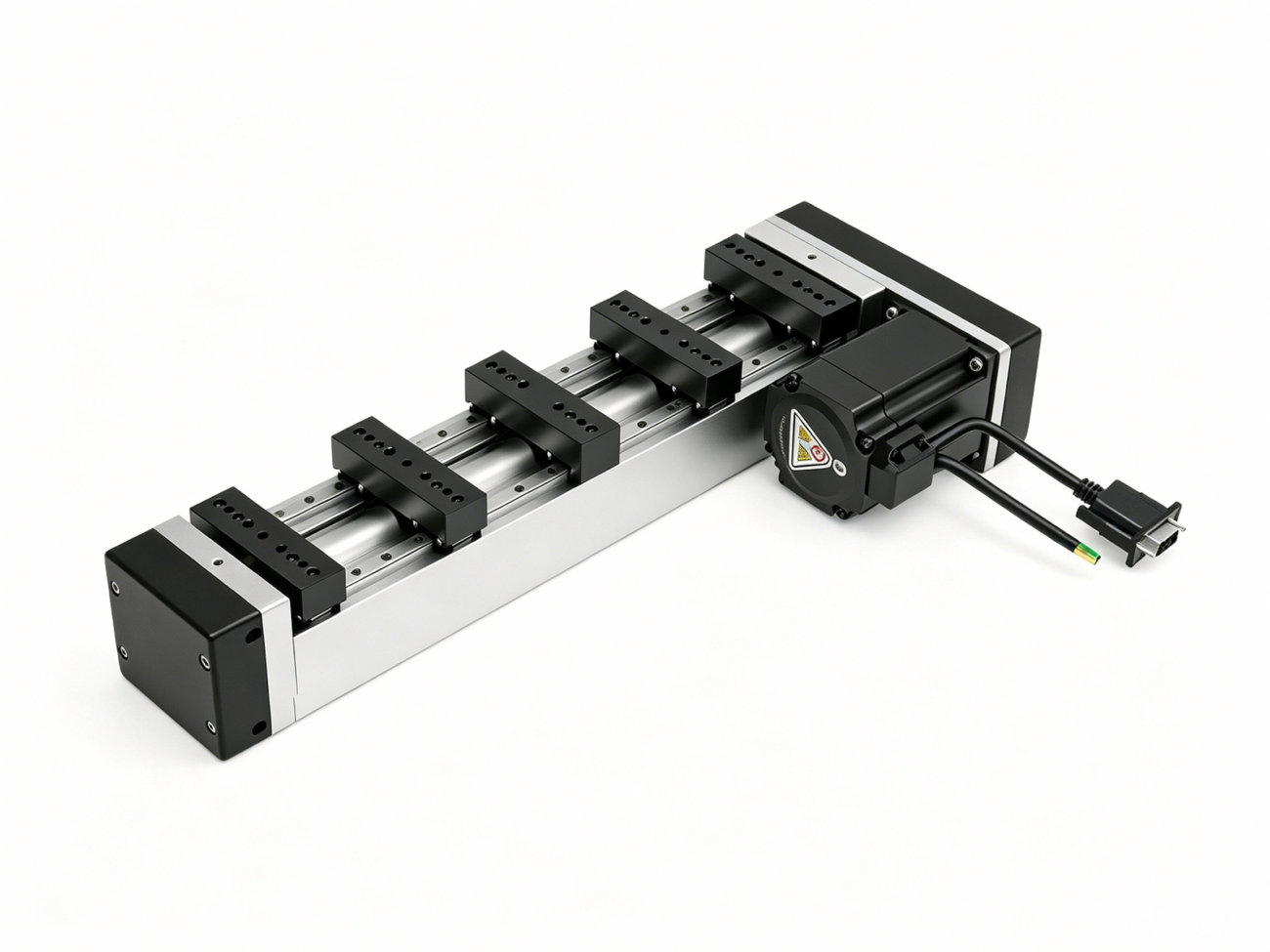
high torque 24v stepper motor linear actuator
Ball screw drives
Electronics Manufacturing
SMT pick-and-place machines
PCB handling robots
Selection Guide: How to Choose the Right High Torque Stepper Motor
Requirement
Recommended Motor
Desktop CNC
nema 17 stepper motor high torque
Mid CNC router
nema 23 high torque stepper motor
Industrial automation
nema 34 high torque stepper motor
Heavy machinery
nema 42 high torque stepper motor
Key Specifications to Evaluate:
Torque rating (Nm)
Current per phase
Inductance
Step angle
Encoder compatibility
Thermal limits
These parameters define whether a high torque stepper motor can sustain long operational cycles.
Market Comparison and Manufacturer Analysis
When comparing global suppliers of high torque stepper motor systems, several engineering-grade brands dominate:
Applied Motion Products
Anaheim Automation
Lin Engineering
Oriental Motor
HCY Automation (industrial OEM specialist)
Comparison Overview:
Brand
Strength
Target Market
Applied Motion
Precision systems
Robotics
Anaheim Automation
Wide catalog
Industrial OEM
Lin Engineering
High torque density
Aerospace-grade systems
HCY Automation
Custom OEM + cost efficiency
Industrial automation integration
HCY Automation focuses on delivering customizable high torque stepper motor with gearbox, encoder integration, and full motion system design support.
Buying Guide: Where to Source High Torque Stepper Motors
Common search intents include:
buy high torque stepper motor
high torque stepper motor price
high torque stepper motor suppliers near me
where to buy high torque stepper motors with fast shipping in the US
where can I find suppliers of high torque stepper motors for industrial automation
For industrial buyers, selection criteria include:
Lead time
OEM customization capability
Driver compatibility
Thermal performance testing
HCY Automation provides direct OEM/ODM supply chains for global buyers seeking scalable motion systems.
FAQ: High Torque Stepper Motor
What are common applications that require a high torque stepper motor?
CNC machines, robotics, 3D printers, and industrial automation systems.
How do I select the appropriate driver for a high torque stepper motor?
Match current rating, voltage capability, and microstepping support with motor specifications.
What are the key specifications for high torque stepper motors?
Torque, rated current, inductance, step angle, and thermal limits.
Are there differences between NEMA sizes?
Yes. nema 17 stepper motor high torque, nema 23 stepper motor high torque, and nema 34 high torque stepper motor differ significantly in torque and size.
What is the difference between open-loop and closed-loop systems?
Closed-loop systems use encoders (high torque stepper motor with encoder) to prevent missed steps.
Why High Torque Stepper Motors Dominate Precision Motion Systems
The high torque stepper motor remains one of the most versatile and cost-effective solutions for precision motion control. Whether used as a high torque geared stepper motor, a compact robotics actuator, or an industrial CNC drive, its combination of torque density, simplicity, and controllability makes it indispensable.
With advancements in closed-loop control, encoder feedback, and smart drivers, the modern high torque stepper motor now rivals servo systems in many mid-range applications.
For engineers and procurement teams seeking scalable motion solutions, HCY Automation provides integrated high torque stepper motor with controller, gearbox systems, and OEM customization to support industrial automation at scale.
If you are evaluating or sourcing a high torque stepper motor for your next project, selecting the right configuration—NEMA size, driver, voltage, and feedback system—will directly determine system performance, efficiency, and long-term reliability.
HCY Automation delivers integrated solutions across motion control, linear motion, robotics, machine vision, pneumatic systems, and precision gearboxes to help global manufacturers build smarter, faster, and more reliable production lines. Our engineering team helps you select and integrate the right motion control, robotics, and automation components for your specific application.