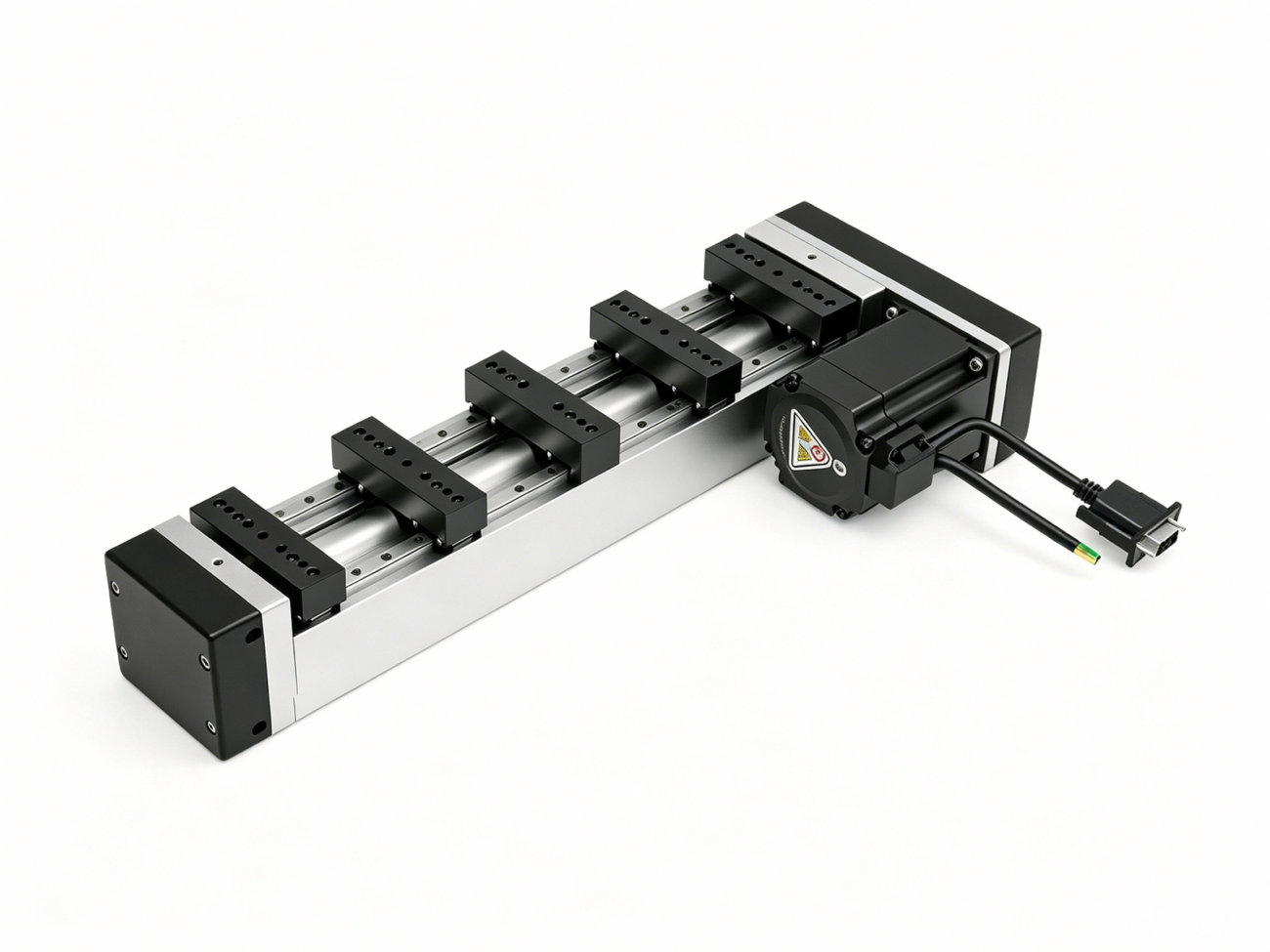
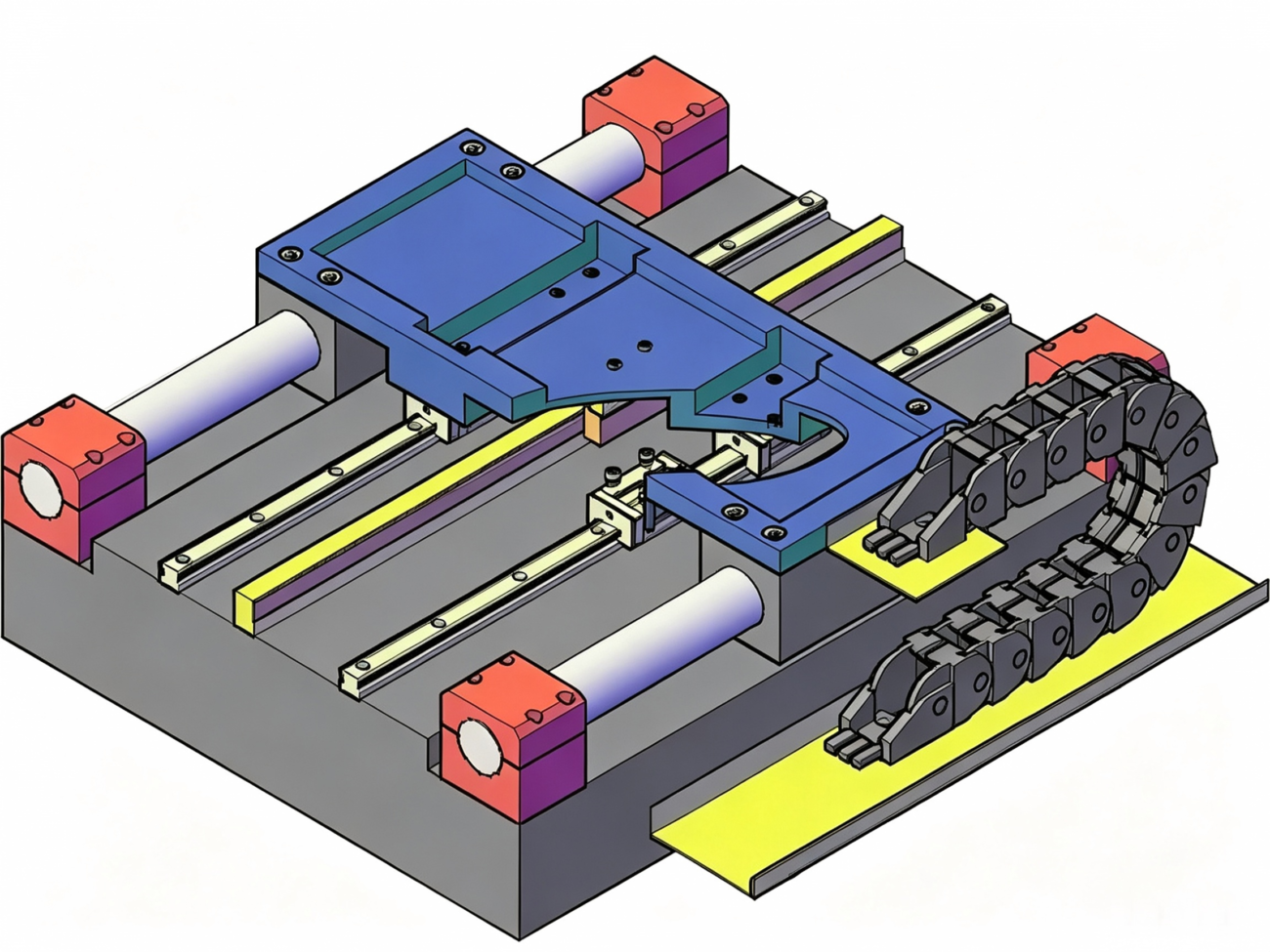
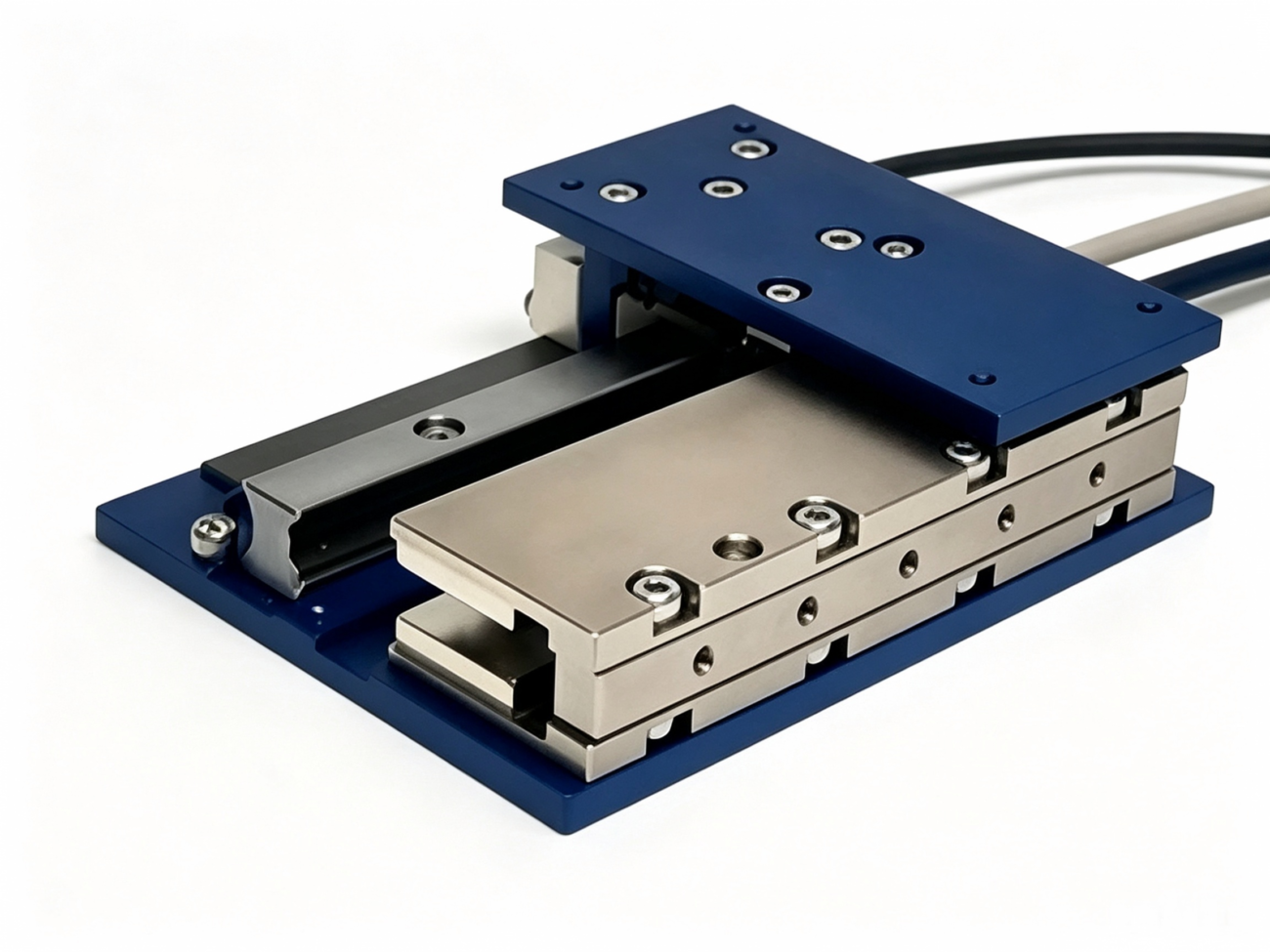
As the “heart” of industrial automation, servo motors are evolving faster than ever before. 2026 marks a pivotal year where three game-changing trends will redefine how we design, deploy, and optimize production lines:
🔹 Trend 1: Integrated Servo Systems – The End of “Component Chaos”
Traditional servo setups (separate motor, drive, encoder) are giving way to all-in-one integrated solutions that reduce wiring complexity by 42% and installation time by 30%. Why this matters:
- Flexible production lines need faster reconfiguration (critical for batch-size-1 manufacturing)
- Space optimization in compact machines (semiconductor, medical devices)
- Reduced maintenance with fewer connection points (MTBF increases by 50%)
🔹 Trend 2: AI-Adaptive Servos – From “Reactive” to “Predictive” Control
68% of manufacturing leaders cite unplanned downtime as their top challenge. Enter AI-powered servo systems:
- Self-learning algorithms optimize torque/speed profiles in real-time (energy savings up to 25%)
- Predictive maintenance flags potential failures before they happen (downtime reduction by 40%)
- Adaptive control compensates for material variations (critical in automotive and electronics assembly)
🔹 Trend 3: SiC-Powered Drives – The Green Revolution in Motion Control
800V Silicon Carbide (SiC) technology is no longer just for EVs—it’s now a servo industry standard:
- 35% higher energy efficiency compared to traditional silicon drives
- 40% smaller form factor (enables more compact machine designs)
- Ideal for high-power applications (lithium battery production, heavy machinery)
📊 The Data Speaks: Servo Market Growth in 2026
- Global market size: $17.3B by 2026 (CAGR 7.9%)
- 62% of advanced manufacturing facilities now use servo systems
- 58% penetration in industrial robotics (US market)
- Humanoid robot servo orders to exceed $15B by 2027
🎯 What This Means for Your Business
- Upgrade legacy systems before 2027 to avoid competitive disadvantage
- Invest in AI-ready infrastructure—future servos will require edge computing capabilities
- Partner with suppliers offering integrated solutions (reduces total cost of ownership by 22%)
Call to Action:
What’s your biggest servo challenge in 2026? Precision? Energy efficiency? Or AI integration? Drop a comment below—I’d love to hear your thoughts.
For a free servo trend analysis checklist, DM me with the word “SERVO2026”