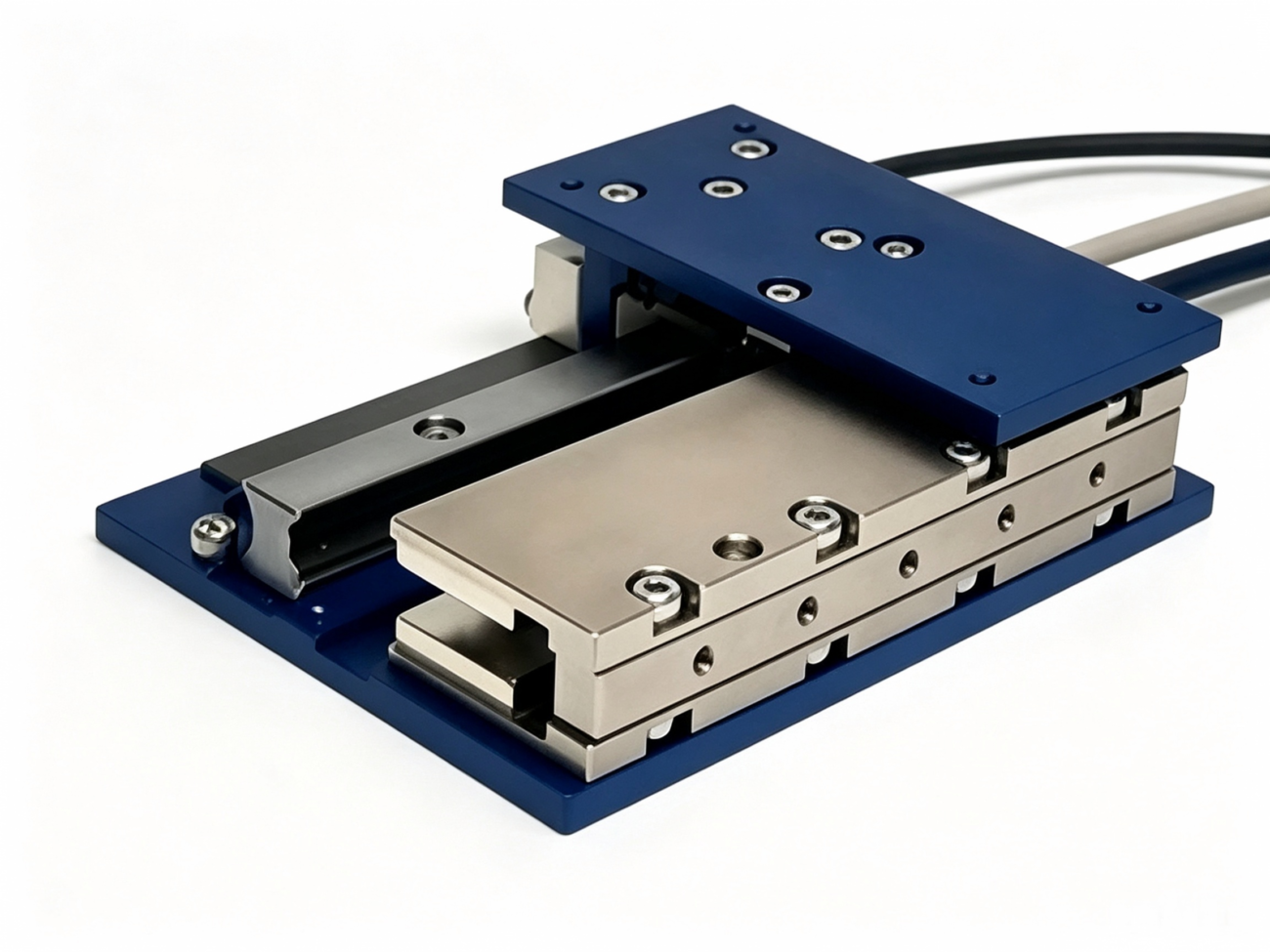
In modern industrial automation, motion control precision directly determines productivity, repeatability, and product quality. Among all motion technologies, linear modules have become a core building block of Linear Motion Systems used in robotics, CNC equipment, semiconductor manufacturing, packaging lines, and precision assembly systems.
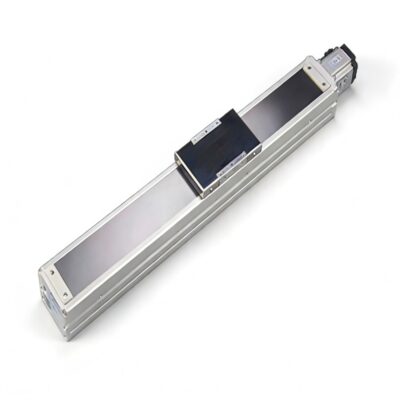
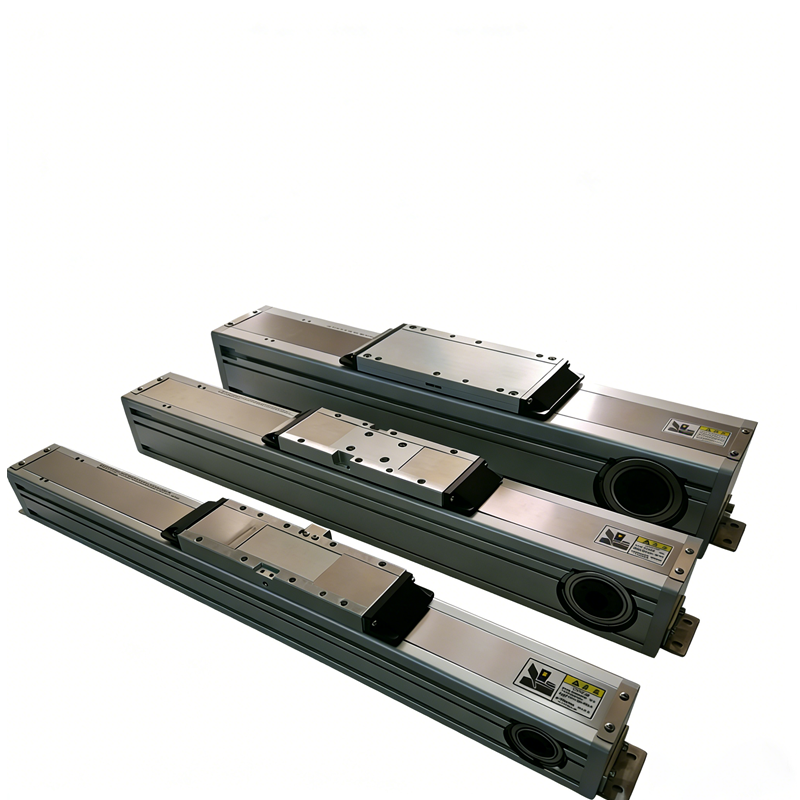
A linear module (also commonly referred to as a Linear Motion Module or Positioning Modules) is a highly integrated mechanical system designed to deliver controlled, repeatable linear movement along a single axis. Unlike traditional assemblies that require engineers to separately source rails, screws, motors, and mounting structures, linear modules integrate all key components into a standardized, ready-to-install unit.
In advanced industrial ecosystems—such as those developed by HCY Automation—linear modules are engineered to simplify machine design while improving accuracy, rigidity, and system scalability.
This article provides a comprehensive technical breakdown of linear modules, their structure, working principles, types, comparisons with other motion technologies like Linear Actuators, Electric Cylinders, and Linear Motor Stages, and how industries are adopting them for next-generation automation.
What Exactly Is a Linear Module?
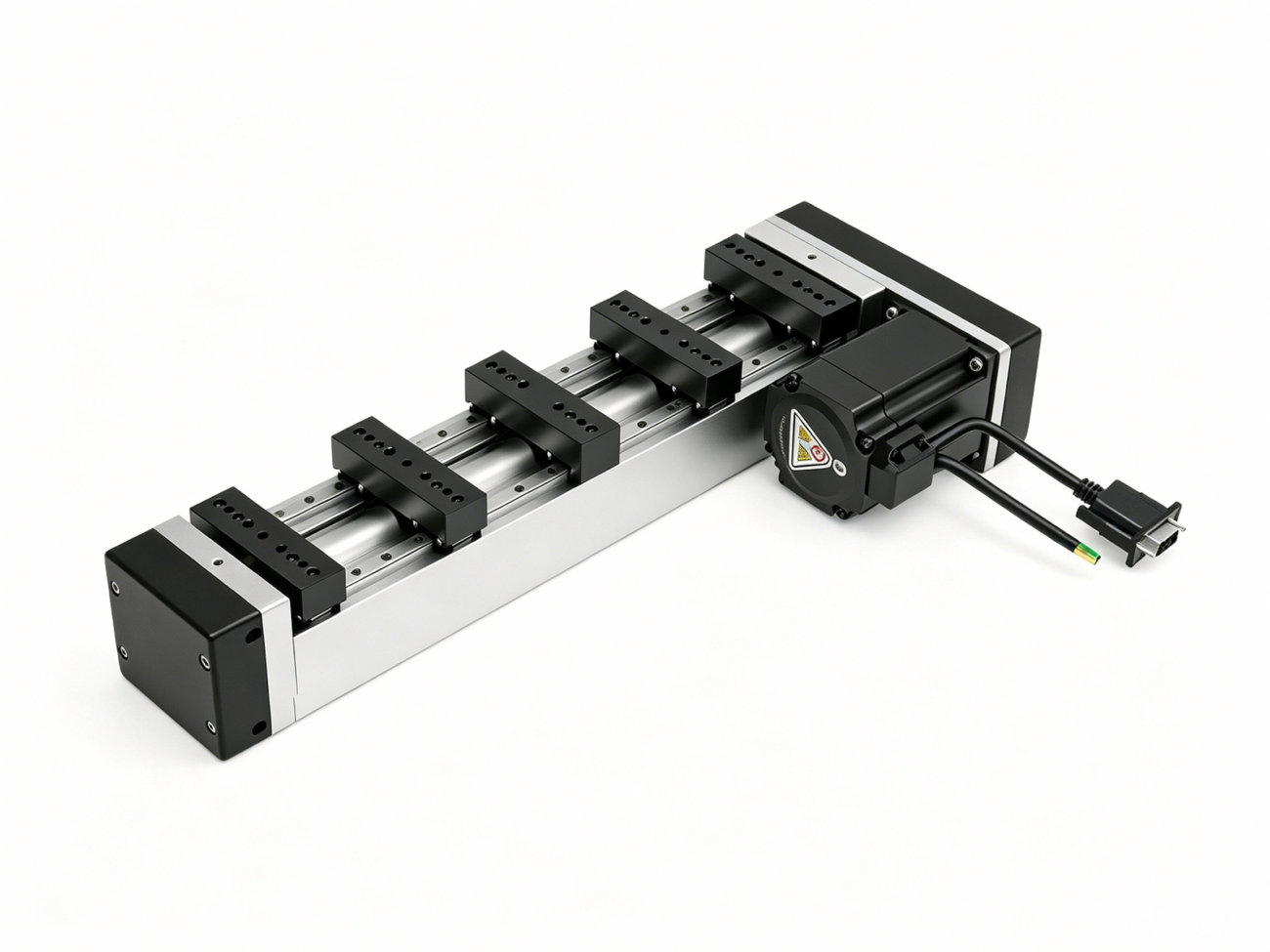
A linear module is a pre-assembled electromechanical system that converts rotary or electromagnetic energy into precise linear motion. It integrates:
Drive system (Ball screw, belt, or linear motor)
Linear guide rails and sliders
Aluminum or steel structural base
Motor mounting interface (servo or stepper)
Sensors and limit switches
Protective covers (optional)
In essence, linear modules are plug-and-play motion units that replace traditional “build-it-yourself” linear systems.
From an engineering perspective, a linear module is a standardized subset of Linear Motion Systems, designed to reduce mechanical design complexity while ensuring factory-calibrated precision.
Why Linear Modules Are Replacing Traditional Linear Systems
Traditional motion systems require engineers to assemble multiple components:
Guide rails
Ball screws
Couplings
Motor mounts
Brackets
Alignment calibration
This introduces cumulative assembly error, longer commissioning time, and inconsistent performance.
By contrast, linear modules eliminate most integration risks.
Key Advantages of Linear Modules
Factory-aligned precision assembly
Reduced engineering design workload
Faster machine deployment cycles
Higher repeatability and stability
Easier maintenance and replacement
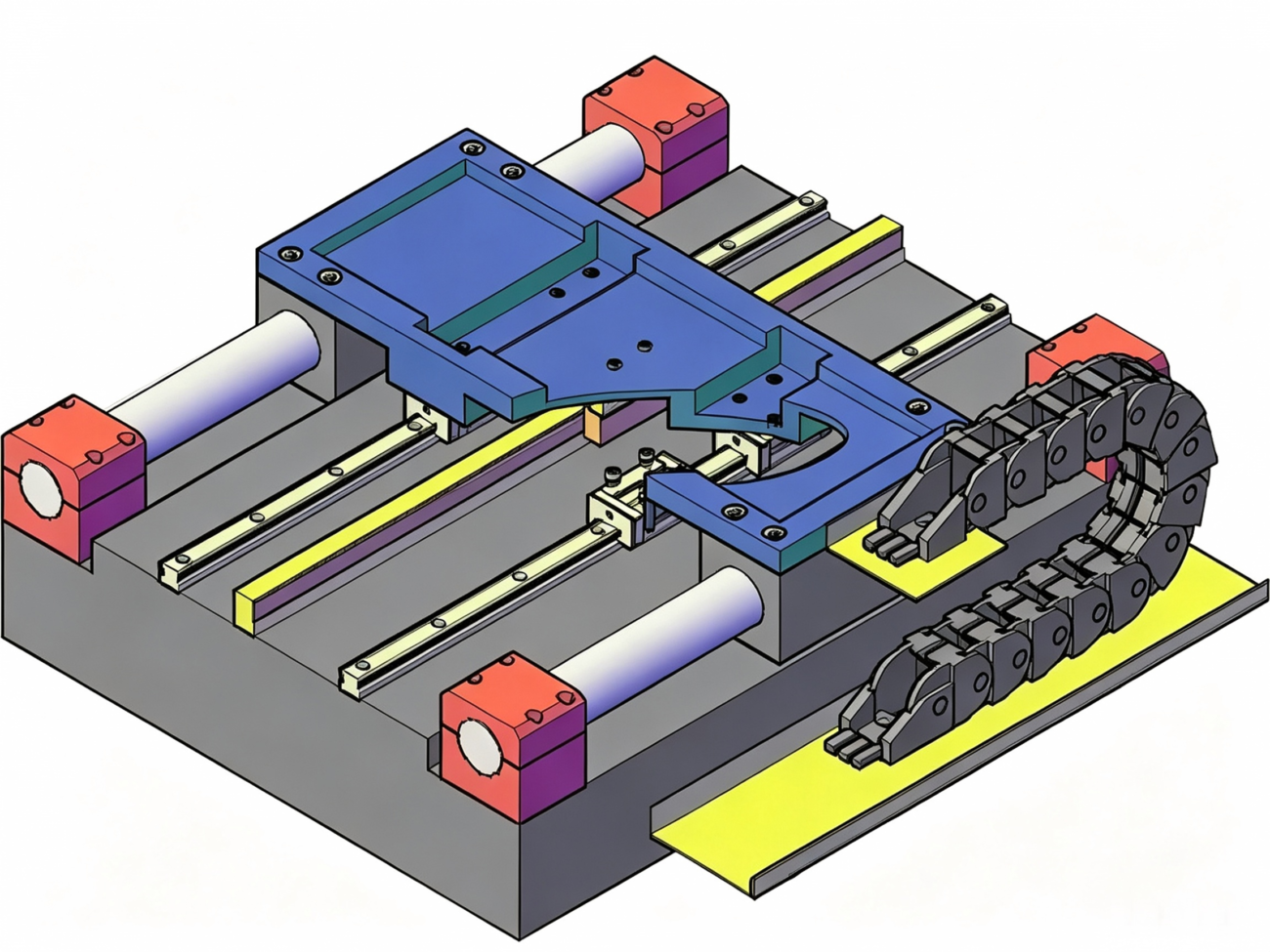
Modular scalability for multi-axis systems
HCY Automation integrates these advantages into industrial-gradeLinear Motion Modules designed for high-load and high-speed automation environments.
Core Structure of Linear Modules
A standard linear module is composed of several engineered subsystems working together:
1. Base Structure
Usually made of aluminum extrusion or machined steel, providing rigidity and mounting accuracy.
2. Motion Guide System
High-precision linear guide rails ensure smooth, low-friction motion and load distribution.
3. Drive Mechanism
This is the heart of linear modules, typically one of the following:
Ball Screw Actuators (high precision, high thrust)
Belt Driven Actuators (high speed, long stroke)
Direct drive systems in advanced configurations
4. Motor Interface
Compatible with servo motors, stepper motors, or integrated smart motors.
5. Feedback & Control
Includes encoders, limit switches, and sometimes closed-loop servo feedback systems.
6. Protection Systems
Optional covers, bellows, or sealing structures for harsh environments.
Working Principle of Linear Modules
The working principle of linear modules is the conversion of energy into controlled linear displacement.
Step-by-step motion process:
Motor generates rotational or electromagnetic force
Drive mechanism converts motion into linear displacement
Slider/carriage moves along precision guide rails
Feedback system ensures positional accuracy
Controller adjusts motion parameters in real time
Depending on the structure, different technologies are used:
Ball screw systems convert rotation into linear motion via mechanical threads
Belt systems transmit motion using synchronous belts and pulleys
Linear motor systems generate direct electromagnetic thrust
These variations define the classification of Linear Motion Systems.
Types of Linear Modules in Industrial Applications
1. Ball Screw Based Linear Modules
These Linear Modules offer high precision and high thrust capacity.
Key characteristics:
Micron-level positioning accuracy
High rigidity
Excellent load-bearing capacity
Suitable for vertical and pressing applications
Typical applications:
Precision assembly
Semiconductor handling
Laser positioning systems
These are often categorized as Ball Screw Actuators within industrial catalogs.
2. Belt Driven Linear Modules
Designed for speed and long travel distances.
Key characteristics:
High-speed operation
Long stroke capability
Lower cost structure
Smooth motion profile
These are commonly referred to as Belt Driven Actuators.
Applications:
Packaging lines
Material transfer systems
Sorting automation
3. Linear Motor Modules (Linear Motor Stages)
A high-end category of linear modules using electromagnetic direct drive.
Key characteristics:
No mechanical transmission wear
Ultra-high acceleration
High dynamic response
Minimal maintenance
Also known as Linear Motor Stages, these are widely used in:
Semiconductor lithography
Precision metrology
High-speed inspection systems
4. Electric Cylinder Systems
Electric Cylinders are closely related to linear modules, but optimized for force-driven applications.
Key characteristics:
High thrust output
Robust industrial design
Ideal for pressing, lifting, and clamping
Compared to standard Linear Motion Modules, electric cylinders prioritize force over speed.
5. Variable Pitch Modules
A specialized type of motion system used for adaptive spacing and flexible positioning.
Variable Pitch Module systems are commonly used in:
Packaging line synchronization
Adaptive conveyor systems
Multi-format production lines
They extend the flexibility of traditional Linear Motion Systems.
Linear Modules vs Other Motion Technologies
To understand where linear modules fit in automation, it is important to compare them with related technologies.
Comparison Table: Motion Systems Overview
Technology
Precision
Speed
Load Capacity
Cost
Typical Use
Linear Modules
High
Medium–High
Medium–High
Medium
General automation
Linear Motion Systems (custom)
Very High
Variable
High
High
Complex machinery
Linear Actuators
Medium
Medium
Medium
Low
Basic automation
Electric Cylinders
Medium–High
Low–Medium
Very High
Medium
Pressing / lifting
Linear Motor Stages
Ultra High
Very High
Medium
Very High
Semiconductor / optics
Ball Screw Actuators
High
Medium
High
Medium
Precision positioning
Belt Driven Actuators
Medium
Very High
Low–Medium
Low
Transport systems
This comparison highlights why linear modules are widely considered the optimal balance between cost, precision, and integration complexity.
Engineering Benefits of Linear Modules in Industrial Systems
1. Standardization of Motion Design
Linear modules eliminate the need for custom-built mechanical assemblies, reducing design variability.
2. Reduced Assembly Error
Factory calibration ensures alignment accuracy that is difficult to achieve manually.
3. Faster Machine Development Cycles
Engineering teams can reduce development time by up to 40–60%.
4. Modular Multi-Axis Integration
Multiple Linear Motion Modules can be combined into:
XY gantry systems
XYZ robotic platforms
Multi-station production lines
5. Improved Maintenance Efficiency
Standardized components simplify spare parts management.
Data-Driven Performance Comparison
Industrial selection of linear modules often depends on measurable parameters:
Performance Benchmark Table
Parameter
Ball Screw Linear Module
Belt Linear Module
Linear Motor Module
Positioning Accuracy
±0.01 mm
±0.1 mm
±0.001 mm
Max Speed
1–2 m/s
5 m/s+
3–6 m/s
Acceleration
Medium
High
Very High
Maintenance Frequency
Medium
Low
Very Low
Lifetime Cycles
High
Medium
Very High
This data demonstrates why Linear Motion Systems must be selected based on application-specific requirements.
Industry Applications of Linear Modules
1. Industrial Automation Lines
Used in assembly, inspection, and packaging systems.
2. Robotics Systems
Act as motion axes for robotic arms and gantry robots.
3. Electronics Manufacturing
Ideal for PCB handling, chip placement, and precision assembly.
4. Medical Equipment
Used in imaging systems and diagnostic positioning platforms.
5. Logistics Automation
High-speed sorting and transfer systems rely heavily on belt-based linear modules.
HCY Automation: Industrial-Grade Linear Module Solutions
HCY Automation is a professional provider of high-performance Linear Motion Systems, specializing in modular automation solutions designed for global manufacturing industries.
HCY Automation Core Advantages
High-precision engineering manufacturing
Modular design for fast integration
Wide range of Linear Motion Modules
Customizable stroke, load, and drive configurations
Strong compatibility with servo and stepper systems
Industrial durability for continuous operation
HCY Automation focuses on delivering scalable motion solutions that integrate Linear Modules, Electric Cylinders, Linear Motor Stages, and Positioning Modules into unified automation architectures.
Why Engineers Choose HCY Linear Modules
1. Engineering Efficiency
Pre-assembled systems significantly reduce design complexity.
2. High Repeatability
Ensures stable performance in long-term industrial use.
3. Flexible Configuration
Supports customization for stroke length, load, and speed.
4. System Compatibility
Works seamlessly with PLC systems, servo drives, and industrial controllers.
5. Global Application Readiness
Designed for international manufacturing standards.
Application Design Considerations Before Selecting Linear Modules
Before selecting linear modules, engineers should evaluate:
1. Stroke Length Requirements
Effective travel distance
Machine footprint constraints
2. Load Characteristics
Horizontal or vertical load
Dynamic vs static load conditions
3. Precision Requirements
Repeatability tolerance
End-point accuracy
4. Cycle Speed and Duty Ratio
High-frequency operations
Continuous production cycles
5. System Integration Type
Standalone axis
Multi-axis gantry system
These parameters determine whether Ball Screw Actuators, Belt Driven Actuators, or Linear Motor Stages are most suitable.
Future Trends in Linear Modules and Motion Systems
The evolution of Linear Motion Systems is driven by several key trends:
1. Intelligent Motion Control
AI-based predictive motion optimization is being integrated into linear modules.
2. Higher Energy Efficiency
Reduced friction and improved drive efficiency are becoming standard.
3. Miniaturization
Compact Positioning Modules are increasingly used in electronics manufacturing.
4. Modular Factory Automation
Plug-and-play Linear Motion Modules are replacing custom mechanical designs.
5. Hybrid Drive Systems
Combining belt, screw, and linear motor technologies in one system.
Conclusion: Why Linear Modules Are the Backbone of Modern Automation
Linear modules represent a fundamental evolution in industrial motion engineering. By integrating drive systems, guide mechanisms, and control interfaces into a single standardized unit, they simplify automation design while improving performance reliability.
Compared with traditional assemblies, Linear Motion Modules offer:
Faster deployment
Higher repeatability
Lower engineering overhead
Better system scalability
From Ball Screw Actuators to Linear Motor Stages, the ecosystem of Linear Motion Systems continues to expand, enabling smarter, faster, and more precise industrial automation.
HCY Automation continues to push this evolution forward by delivering high-performance linear modules designed for real-world industrial demands.
If you are developing automation equipment and need stable, scalable motion solutions, HCY Automation provides engineering consultation and customized Linear Motion Modules tailored to your application requirements.
HCY Automation delivers integrated solutions across motion control, linear motion, robotics, machine vision, pneumatic systems, and precision gearboxes to help global manufacturers build smarter, faster, and more reliable production lines. Our engineering team helps you select and integrate the right motion control, robotics, and automation components for your specific application.