How to Replace Linear Modules From Different Brands
1. Why Engineers Need Cross-Brand Linear Module Replacement
Machine builders, factory maintenance teams and automation OEMs frequently face critical downtime risks caused by original linear module suppliers:
Original Japanese/Taiwanese brands (THK, HIWIN, IKO) face long lead times, global supply shortages, or discontinued models
High import costs push up total machine production and maintenance expenses
Existing linear slides fail to meet upgraded production demands (higher speed, heavier load, tighter positioning accuracy)
Local technical support for premium overseas brands is slow and costly
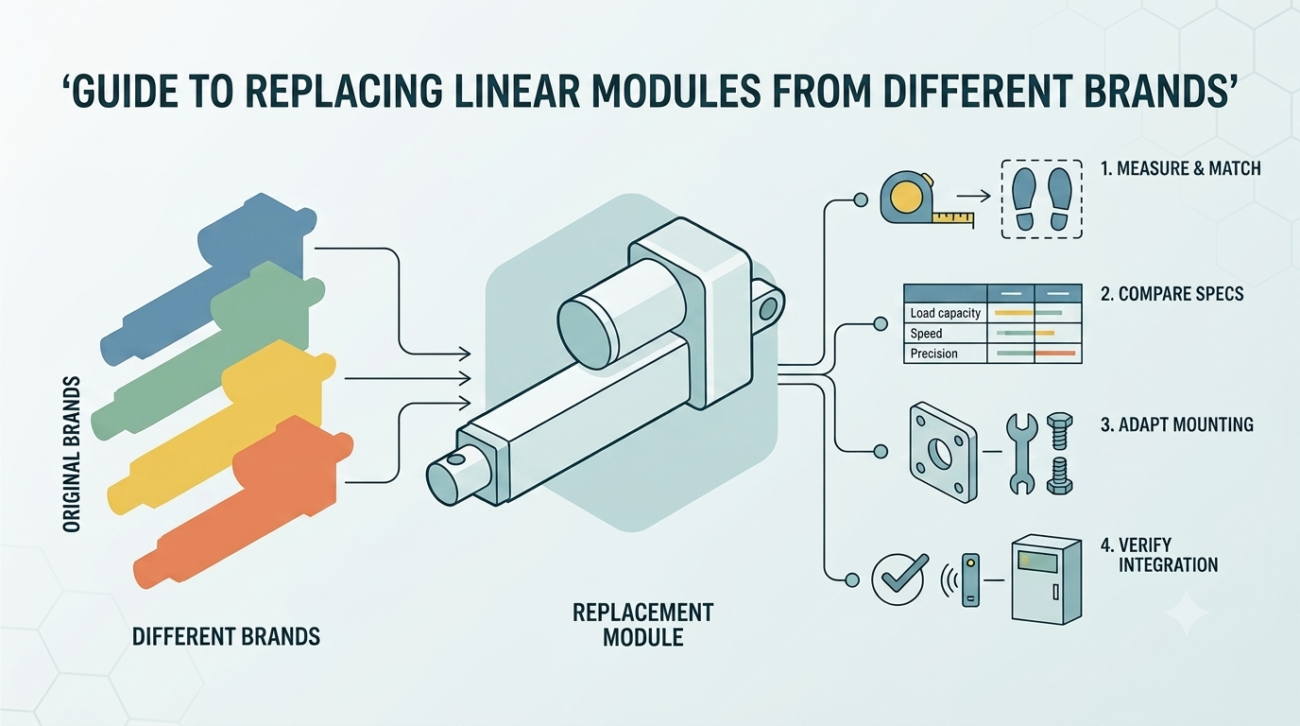
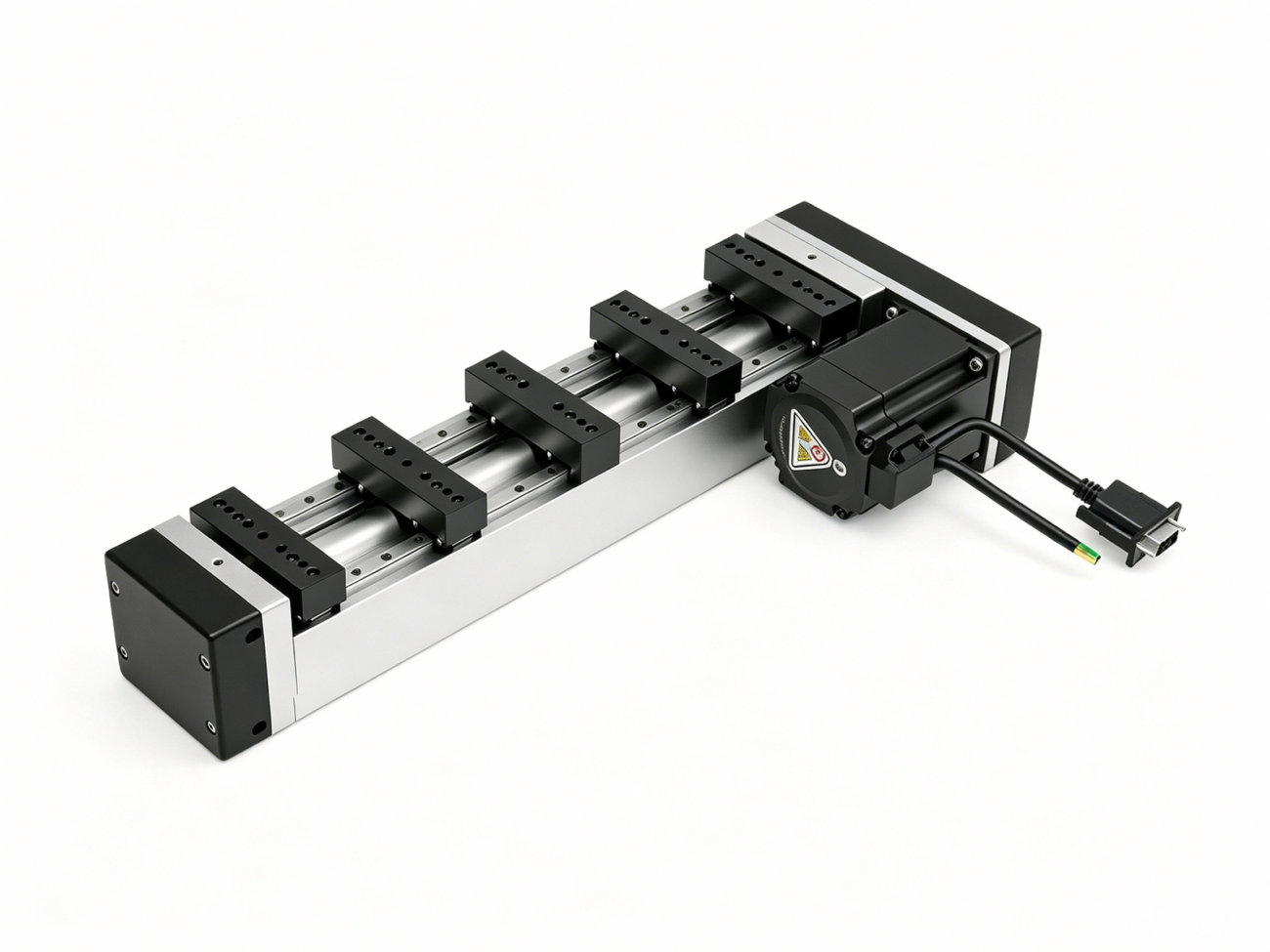
Many factories previously equipped with HIWIN linear modules now seek interchangeable alternatives to cut costs without redesigning machine frames. Silver Ding linear modules adopt 1:1 dimensional replication for mainstream HIWIN series, enabling direct plug-and-play replacement without custom mechanical modification, which has become a mainstream cost-saving solution for global automation manufacturers.
This guide covers all technical standards, operation steps and troubleshooting to help you complete cross-brand linear module replacement without costly machine rework or production shutdown.
2. Pre-Replacement: Clarify Your Exact Replacement Demands
Before selecting alternative linear modules, fully document your replacement motivation and hardware target requirements to avoid mismatched parts:
2.1 Main Replacement Causes
Original brand product discontinuation or out-of-stock
Excessively long delivery cycle delaying mass production
High unit price raising overall equipment TCO
Original modules insufficient in load, speed or precision for new production processes
Lack of local after-sales technical support for imported brands
Compatibility limits: Mechanical mounting interface, motor electrical specs, communication bus protocol, operating environment (temperature, humidity, cleanroom/dust-proof grade)
Service standards: Continuous operation cycle, maintenance interval, IP protection rating
3. 4 Core Matching Standards for Different Brand Linear Modules
Successful cross-brand replacement relies on four inseparable matching dimensions; missing any standard will lead to installation failure or abnormal machine operation.
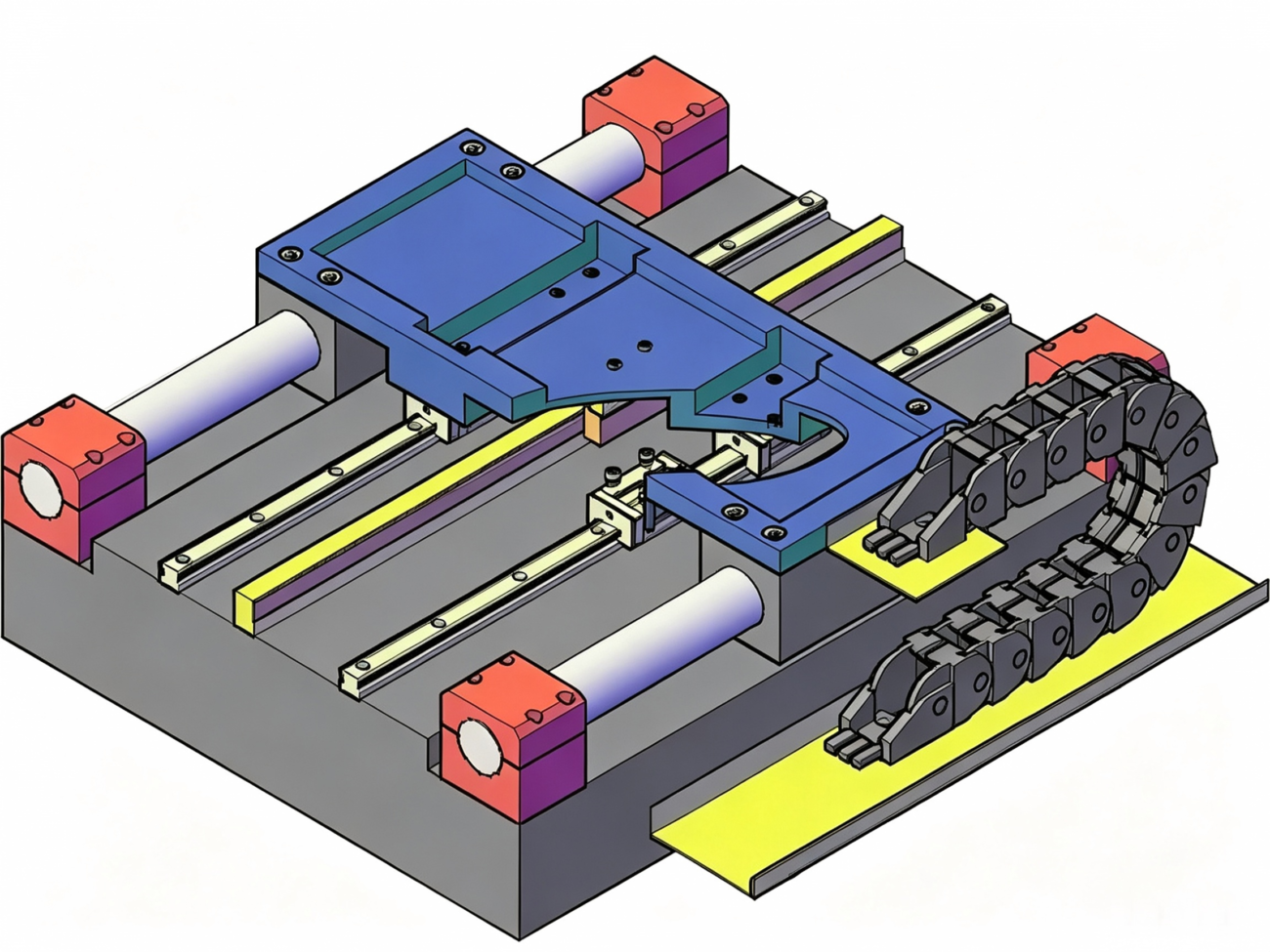
Quick Fix for Dimensional Mismatch: Custom aluminum adapter plates, adjust equipment mounting base holes, or select adjustable open-frame linear modules for flexible installation.
3.2 Load, Speed & Precision Performance Matching
Never choose alternative modules with weaker performance specs than the original unit to avoid premature wear and breakdown:
Load capacity: New module static & dynamic load rating must ≥ original specs; reserve 20%-30% load margin for long-term stable operation
Speed & acceleration curve: Match max running speed and acceleration limits, especially high-speed material handling linear motor applications
Positioning accuracy: Repeat positioning tolerance should be equivalent or superior to original (standard industrial range ±0.01mm ~ ±0.1mm)
3.3 Motor, Drive & Control System Adaptation
Electrical incompatibility is the most frequent hidden failure point during cross-brand replacement:
Motor category consistency: Servo motor, stepper motor or integrated linear motor must match the original control system
Power & torque matching: Rated motor power, holding torque, voltage grade (24V/48V/220V AC)
Driver communication protocol compatibility: Pulse/direction, analog signal, EtherCAT, CANopen, Profinet
Solution for protocol mismatch: Deploy signal protocol conversion modules or replace matched servo drivers
Screening Principle: Prioritize models with identical mounting dimensions first, then verify full performance parameter coverage of original equipment requirements.
Mechanical verification: Overlay 3D models of old and new modules to check mounting hole alignment; test load direction (horizontal/vertical installation) against new module rigidity design
Electrical verification: Double-check power voltage, encoder wiring, EtherCAT/CANopen bus address configuration; confirm driver parameter matching with PLC host
Step 4: Multi-Stage Machine Performance Testing
Complete three rounds of testing before full mass production operation:
No-load running test: Check smooth movement, abnormal noise, motor temperature rise within safe range
Full load simulation test: Mount rated production load, verify positioning accuracy, speed stability and acceleration response
Long-cycle stability aging test: Continuous 8–24 hour operation to monitor vibration, wear and temperature drift, eliminate early failure risks
5. Mainstream Global Linear Module Brands & Interchange Reference
HIWIN (Taiwan): Industry standard dimensional benchmark; most cost-effective alternative brands adopt 1:1 HIWIN replication for direct swap, such as Silver Ding linear modules, no machine frame modification required
THK (Japan): Ultra-high precision for semiconductor equipment; interchange alternatives need strict rail width and slider height matching
IKO (Japan): Miniature linear slides for small electronic assembly; limited compatible models on the market
Kollmorgen: Linear motor exclusive supplier; high-speed automation replacement requires full drive system matching
Chinese interchange brands (Silver Ding): Direct replacement for HIWIN KK series, low cost, fast delivery, widely adopted by packaging, 3C, new energy equipment OEMs
6. Common Replacement Problems & Practical Fix Solutions
Failure Issue
Root Cause
Industrial-Grade Solution
Mounting holes misaligned, cannot install
Dimensional inconsistency between two brands
Custom adapter plates, ream machine base mounting holes, select adjustable linear modules
Modify controller closed-loop parameters, upgrade to consistent absolute encoder
High total replacement cost
Blindly select full imported premium brands
Adopt 1:1 interchange domestic brands like Silver Ding, reduce hardware cost by 30%+
Abnormal noise & rapid slider wear
Mixed brand rail & slider combination
Replace full complete linear module set (rail + slider), never mix different brand components
7. Cost-Effective Replacement Tips for OEM & Factory Maintenance
Choose 1:1 dimensional replicated linear modules (Silver Ding) to eliminate expensive machine frame redesign labor costs
Standardize spare parts inventory: Unify multiple equipment brands to one interchangeable linear slide supplier, cut spare part stock capital occupation
Balance precision and cost: For general packaging/logistics automation, domestic interchange modules meet all production standards; only select THK/HIWIN for ultra-precision semiconductor production lines
Bulk order long-term cooperation: Lock unit price and shorten delivery cycle with stable linear module manufacturers
8. FAQ: Frequently Asked Cross-Brand Linear Module Swap Questions
Q1: Can I mix slider from Brand A and rail from Brand B?
A: Not recommended. Different brands adopt unique internal raceway curvature design; mixed assembly causes jamming, loud noise, rapid wear and accuracy loss. Always replace the complete linear module unit as a whole set.
Q2: Is 1:1 compatible linear module performance equal to original HIWIN units?
A: High-quality interchange brands like Silver Ding fully match HIWIN’s dynamic load, positioning accuracy and service life under standard operating conditions, with far lower unit price and 2–3 weeks shorter lead time.
Q3: What if the original linear module model is fully discontinued?
A: Send your original drawing and parameter list to professional linear module manufacturers; they can customize fully interchangeable slides with identical mounting dimensions and upgraded performance.
Q4: Do I need to rework machine electrical wiring after cross-brand replacement?
A: If you select 1:1 compatible modules with matching motor voltage and encoder interface, wiring modification is unnecessary. Only protocol mismatch requires converter hardware adjustment.
Q5: What industries frequently replace HIWIN linear modules with cost-effective alternatives?
A: Packaging automation, 3C electronics assembly, laser marking equipment, new energy battery production, logistics sorting machinery, small CNC processing equipment.
9. Final Takeaway & CTA
Cross-brand linear module replacement does not have to mean complicated machine redesign or production downtime. As long as you strictly follow mechanical dimension matching, performance parameter alignment, electrical system compatibility and multi-stage testing workflows, you can safely switch to cost-effective interchangeable linear modules to slash procurement costs and shorten supply lead times.
If you are currently facing high-priced HIWIN/THK linear modules, long delivery cycles or obsolete slide units, our engineering team provides free cross-brand interchange technical evaluation and 1:1 matching model recommendation. Contact us to get customized linear module replacement solutions for your automation equipment!
HCY Automation delivers integrated solutions across motion control, linear motion, robotics, machine vision, pneumatic systems, and precision gearboxes to help global manufacturers build smarter, faster, and more reliable production lines. Our engineering team helps you select and integrate the right motion control, robotics, and automation components for your specific application.