Global Servo Motors Market Growth: Why Servo Motors Are Driving the Future of Industrial Automation
The global automation industry is entering a new stage of intelligent manufacturing, and Servo Motors have become one of the most important motion control technologies supporting this transformation. According to recent market analysis, the global Servo Motors and Drivesmarket was valued at approximately USD 19.08 billion in 2025 and is projected to reach USD 35.65 billion by 2035, growing at a CAGR of 6.42%.
The rapid expansion of Servo Motors demand is strongly connected with Industry 4.0, robotics, semiconductor manufacturing, electric vehicle production, warehouse automation, and smart factory development. Modern manufacturers require motion systems that provide high accuracy, fast response, energy efficiency, and real-time communication capabilities.
Recent servo motor news shows that leading automation companies are continuously launching advanced motion products, including high-power systems for automated guided vehicles (AGVs), high-voltage servo platforms, EtherCAT-based safety motion controllers, and lightweight robotic joint solutions.
For industrial companies searching for reliable motion solutions, selecting the right Servo Motors, servo drives, and controllers has become a key factor in improving production efficiency and competitiveness.
HCY Automation focuses on providing advanced industrial motion control solutions, including integrated motors, stepper systems, servo systems, and customized automation components. With engineering expertise and reliable manufacturing capabilities, HCY Automation helps global customers build precise and efficient automation systems.
What Is a Servo Motor? Definition, Meaning and Working Principle
Many engineers and buyers ask: what is servo motor technology and why is it widely used in industrial automation?
A servo motor is a high-performance electric motor combined with a feedback system that enables precise control of position, speed, and torque. Unlike conventional motors, Servo Motors can continuously monitor their operating status through encoders and automatically adjust movement according to the control signal.
The basic servo motor meaning is a closed-loop motion device designed for accurate positioning applications.
A typical servo system includes:
Component
Function
Servo Motor
Converts electrical energy into controlled mechanical movement
Servo Motor Driver
Controls voltage, current, and motor operation
Servo Motor Controller
Generates motion commands and coordinates operation
Encoder
Provides real-time position and speed feedback
Gearbox
Increases torque output when required
The working principle of Servo Motors is based on closed-loop control. The controller sends a command signal, the motor moves, and the encoder continuously reports actual position information. The system compares the target position with the real position and automatically corrects errors.
Servo Motors vs Stepper Motors: Understanding the Difference
One of the most common questions in automation engineering is:
servo motor vs stepper motor: which one is better?
The answer depends on the application requirements.
The comparison between stepper motor vs servo motor mainly focuses on accuracy, feedback, speed, torque, and cost.
Feature
Servo Motors
Stepper Motors
Control Method
Closed-loop feedback
Usually open-loop
Position Accuracy
Very high
Moderate
Speed Capability
High
Limited at high speed
Torque Performance
Excellent dynamic torque
Good holding torque
Feedback System
Encoder-based
Usually no encoder
Energy Efficiency
Higher
Lower under variable loads
Cost
Higher
Lower
The difference between servo and stepper motor is that servo systems continuously adjust performance through feedback, while stepper systems move in fixed steps.
When comparing stepper motors vs servo motors, servo technology is preferred for applications requiring:
High-speed operation
Precise positioning
Dynamic load changes
Continuous feedback
Advanced communication networks
Stepper motors remain suitable for simpler applications such as basic CNC machines, 3D printers, and low-cost positioning systems.
The debate of servo vs stepper motor or stepper vs servo motor continues in automation industries, but advanced manufacturing increasingly favors servo technology because of higher performance requirements.
Main Types of Servo Motors Used in Industry
Modern automation uses different categories of Servo Motors based on power requirements, control systems, and mechanical designs.
AC Servo Motors
AC servo motors are currently the most widely used industrial servo systems because they provide high efficiency, excellent speed control, and strong reliability.
An ac servo motor typically uses permanent magnet synchronous motor technology and works with advanced servo drives.
Advantages include:
High torque density
Low maintenance
Strong overload capability
Excellent acceleration performance
Many manufacturers choose ac brushless servo motors for robotics, packaging machinery, semiconductor equipment, and industrial automation.
DC Servo Motors
DC servo motors were among the earliest servo technologies and remain useful in specific applications.
A dc servo motor provides simple control characteristics and excellent low-speed performance.
Common applications include:
Laboratory equipment
Small automation systems
Educational robotics
Battery-powered machines
Modern systems may use a dc servo motor controller IC to manage speed and position control.
The difference between dc motor servo motor systems and AC servo systems depends mainly on efficiency, maintenance requirements, and application scale.
Brushless Servo Motors
A brushless servo motor eliminates traditional brushes, reducing maintenance and increasing operational life.
Modern brushless servo motors provide:
Higher efficiency
Lower heat generation
Longer service life
Better reliability
A brushless dc servo motor combines BLDC technology with encoder feedback, making it suitable for robotics, medical equipment, and precision automation.
HCY Automation develops advanced motion solutions including brushless technologies designed for demanding industrial applications.
Latest Servo Motor Industry News and Technology Developments
The latest servo motor news shows that the industry is moving toward smarter, smaller, and more powerful motion systems.
High-Power Servo Systems for AGV Applications
Industrial logistics is expanding rapidly, increasing demand for powerful motion solutions.
New-generation Servo Motors designed for heavy-duty AGVs provide:
Higher torque output
Improved efficiency
Better thermal management
Stronger load capability
These developments support smart warehouses and automated transportation systems.
High Voltage Servo Drive Technology
Advanced servo manufacturers are introducing 240-480 VAC servo drive platforms capable of supporting higher power applications.
These systems reduce the need for additional transformers and simplify industrial installation.
Modern servo drive motor solutions provide better integration with factory automation networks.
Safety Motion Control Development
Safety has become a major trend in industrial automation.
New servo platforms integrate:
EtherCAT communication
Functional safety systems
Real-time monitoring
Predictive maintenance
These technologies improve reliability in robotics and manufacturing environments.
Lightweight Robotic Servo Innovation
Robotics manufacturers are developing compact robot servo motor solutions with improved service life and reduced weight.
A modern robotics servo motor must deliver:
High torque density
Compact dimensions
Fast response
Precise feedback
These innovations are accelerating the adoption of robotic arms, collaborative robots, and automated production lines.
Servo Motors Applications: How Servo Motors Are Transforming Modern Industries
The rapid adoption of automation has created huge demand for advanced Servo Motors across multiple industries. From robotics and semiconductor equipment to packaging machinery and industrial sewing systems, Servo Motors provide the precision, speed, and reliability required for modern manufacturing.
The global expansion of smart factories has made Servo Motors a critical component in automated production systems. Companies are replacing traditional motors with intelligent motion solutions that combine servo motors and drives, advanced controllers, and real-time feedback technology.
HCY Automation provides advanced motion control solutions designed for industrial customers requiring reliable Servo Motors, servo drives, and integrated automation systems. By combining engineering experience with customized solutions, HCY Automation supports OEM manufacturers, machine builders, and system integrators worldwide.
Industrial Servo Motors: Powering Smart Manufacturing Systems
Industrial servo motors represent the highest-performance category of motion systems. They are designed for continuous operation under demanding industrial conditions.
A modern industrial servo motor usually includes:
High-resolution encoder feedback
Advanced servo motor driver technology
Intelligent motion control algorithms
Overload protection
High-speed communication interfaces
Unlike standard motors, industrial servo motors can instantly adjust torque and speed according to changing production requirements.
Common industrial applications include:
Automotive Manufacturing
Automotive production lines require extremely accurate movement for:
Robot welding
Assembly systems
Painting robots
Battery manufacturing equipment
High-performance Servo Motors enable faster production cycles while maintaining quality.
The increasing demand for semiconductor production capacity is creating new opportunities for servo manufacturers.
Packaging Automation
Packaging machines require continuous acceleration and deceleration.
A high-performance servo motor drive allows machines to achieve:
Faster cycle speeds
Accurate synchronization
Lower energy consumption
This is why food, pharmaceutical, and consumer product manufacturers increasingly adopt servo-based systems.
Servo Motors for Robotics: Precision Movement Solutions
Robotics is one of the fastest-growing application areas for Servo Motors.
A robot servo motor converts electrical commands into precise mechanical movement, allowing robotic systems to perform complex operations.
A servo motor for robotic arm applications must provide:
High torque output
Compact size
Low vibration
Accurate positioning
Long operational life
Modern robotic servo motor systems are widely used in:
Industrial robots
Collaborative robots
Autonomous mobile robots
Medical robots
Service robots
A compact mini servo motor or micro servo motor is often used in small robotic systems, while larger industrial robots require high-performance servo systems.
The development of lightweight robotic joints has increased demand for:
small servo motors
miniature servo motor
tiny servo motor
frameless servo motor
These compact designs help reduce robot weight while maintaining high torque density.
Small Servo Motors and Micro Servo Technology
The market for compact motion systems continues to grow because many modern devices require precise movement in limited spaces.
A small servo motor is commonly used in:
RC models
Educational robotics
Camera systems
Medical devices
Compact automation equipment
Popular examples include:
SG90 Servo Motor
The sg90 servo motor is one of the most recognized miniature servo products worldwide.
The sg90 micro servo motor is widely used because of:
Small size
Low weight
Simple control interface
Affordable price
Typical sg90 servo motor specifications include:
Parameter
Description
Motor Type
Miniature servo
Weight
Around 9g
Operating Voltage
Approximately 4.8V-6V
Control Method
PWM signal
Application
Robotics, RC models, educational projects
The micro servo motor 9g category is popular among hobby engineers and educational users.
Other compact servo models include:
mg90 micro servo motors
mg90s servo motor
mg995 servo motor
mg996r servo motor
These products provide higher torque compared with basic SG90 models.
For industrial applications, however, customers usually require professional-grade Servo Motors with higher reliability, precision feedback, and long-term operation capability.
Servo Motors in Sewing Machines: Improving Textile Production
The textile industry has experienced major improvements through the adoption of servo technology.
Traditional sewing machines often use fixed-speed motors, while modern systems use a sewing machine servo motor to achieve better control.
An industrial sewing machine servo motor provides:
Adjustable speed control
Energy savings
Lower noise operation
Improved stitching accuracy
A servo motor for sewing machine allows operators to adjust speed according to different materials and production requirements.
Benefits of an industrial sewing machine with servo motor include:
Feature
Advantage
Variable Speed Control
Better operator control
High Efficiency
Reduced electricity consumption
Low Noise
Improved workplace environment
Instant Start/Stop
Increased productivity
A servo sewing machine motor has become a preferred solution for modern textile factories.
HCY Automation supports industrial equipment manufacturers looking for reliable motion components, including customized motor solutions for sewing equipment and automated machinery.
Servo Motors vs DC Motors: Choosing the Right Technology
Many engineers compare:
servo motor vs dc motor
servo vs dc motor
dc vs servo motor
A traditional DC motor provides rotation but usually lacks feedback control.
A servo system combines:
Motor
Encoder
Controller
Drive electronics
The comparison is:
Feature
Servo Motors
DC Motors
Feedback
Closed-loop
Usually open-loop
Accuracy
High
Lower
Speed Control
Excellent
Moderate
Position Control
Precise
Limited
Application
Automation
General motion
The main difference between servo motor and stepper or DC motor is intelligent feedback control.
For industrial automation requiring precision, Servo Motors are usually the better solution.
Servo Motor Components and Technical Structure
Understanding the internal structure helps engineers select suitable Servo Motors.
Servo Motor Encoder
A servo motor encoder provides position feedback.
It helps the controller determine:
Actual position
Rotation speed
Direction
Error correction
High-resolution encoders are essential for precision applications.
Servo Motor Controller
A servo motor controller generates commands and manages motion sequences.
Advanced servo motor controllers support:
EtherCAT
CANopen
Modbus
Industrial Ethernet
Servo Motor Driver
The servo motor driver controls electrical power delivered to the motor.
A high-quality motor driver for servo motor improves:
Torque response
Energy efficiency
System stability
Servo Motor Wiring and Pinout
Correct installation requires understanding:
servo motor wiring
servo motor pinout
Encoder connections
Power terminals
Proper wiring ensures stable communication between the controller, driver, and motor.
Servo Motor Design Trends: Smarter, Smaller and More Efficient
Future Servo Motors development focuses on:
Artificial intelligence tuning
Industrial IoT connectivity
Compact designs
Higher torque density
Energy efficiency
Important innovations include:
Integrated Servo Motors
An integrated servo motor combines:
Motor
Driver
Controller electronics
Advantages:
Reduced wiring
Smaller installation space
Faster system integration
Linear Servo Motors
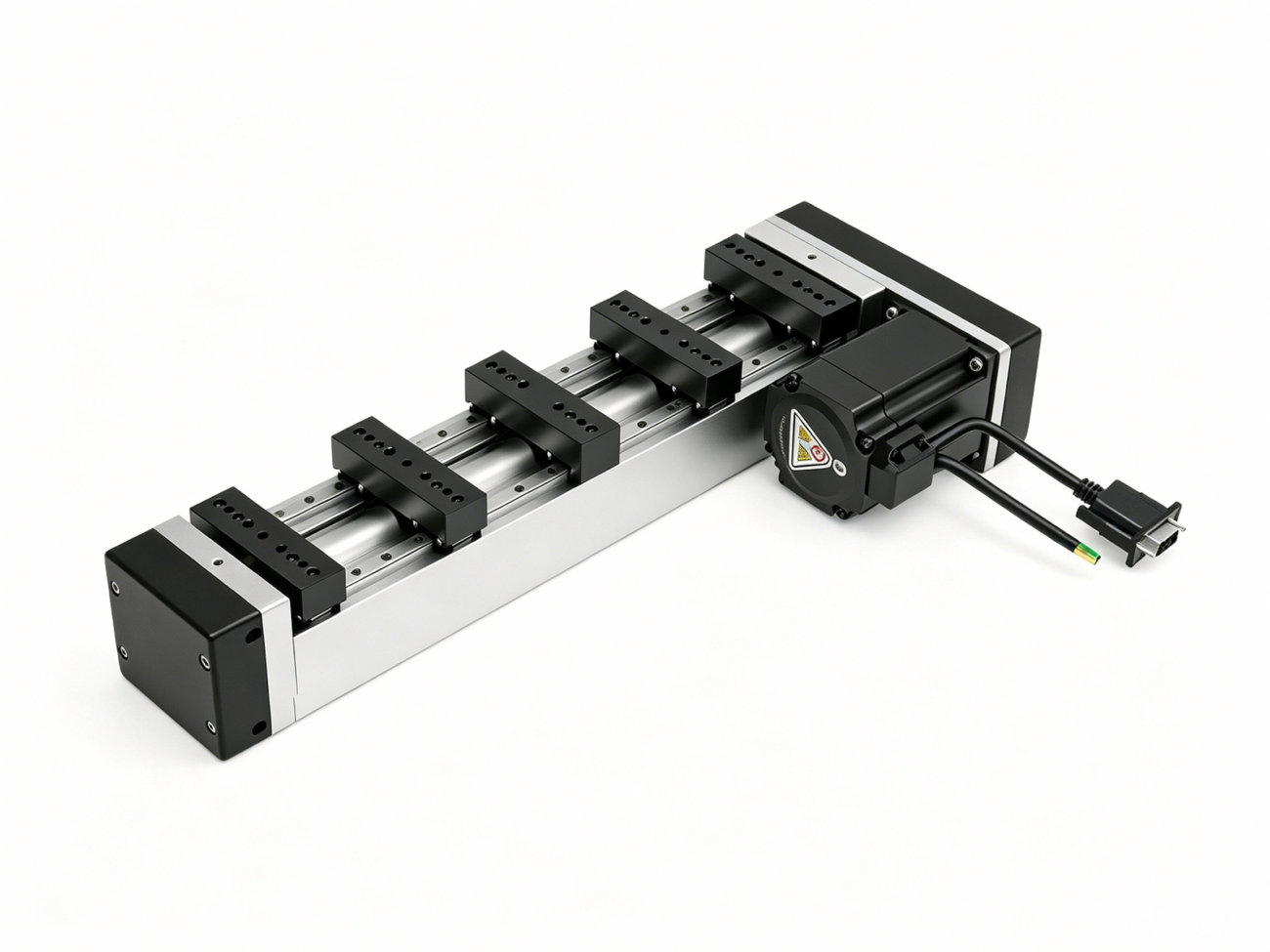
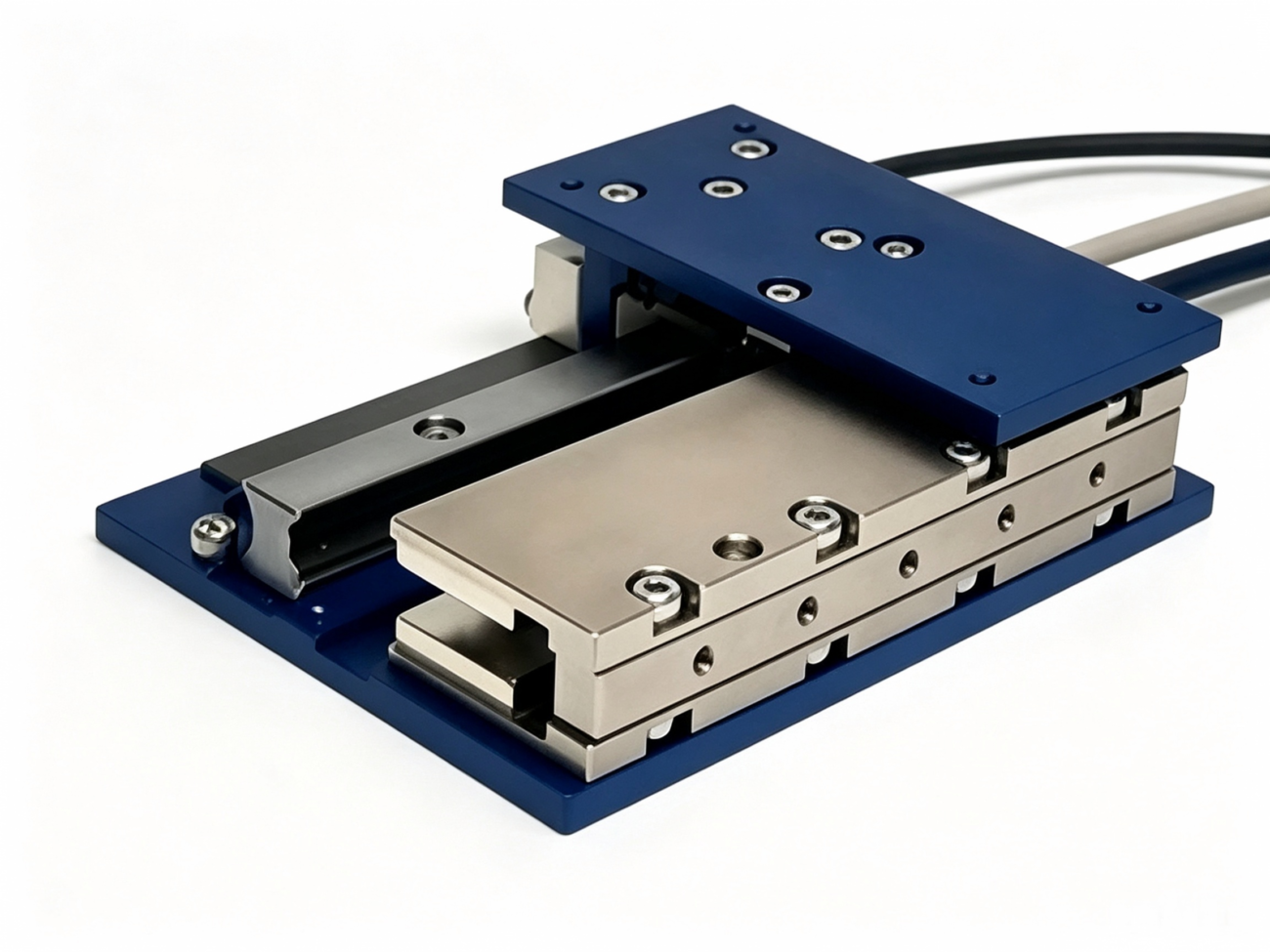
A linear servo motor provides direct linear movement without mechanical conversion systems.
Applications include:
Semiconductor equipment
Precision stages
High-speed manufacturing machines
A servo motor linear actuator combines servo control with linear mechanical movement.
Gearbox Servo Systems
A servo motor gearbox improves torque output.
A gearbox for servo motor is often used when machines require:
Higher torque
Lower speed
Heavy loads
A servo gear motor is common in industrial robots and automation equipment.
HCY Automation Servo Motors Solutions: Reliable Motion Control for Global Industrial Automation
As manufacturing industries move toward intelligent production, companies need more than individual motors. They require complete motion solutions that combine Servo Motors, servo drives, controllers, feedback systems, and customized engineering support.
HCY Automation specializes in industrial automation components and motion control solutions, providing customers with reliable products for robotics, CNC equipment, packaging machinery, semiconductor systems, and smart manufacturing applications.
With strong experience in automation technology, HCY Automation focuses on delivering:
High-performance Servo Motors
Advanced servo drive systems
Integrated motion solutions
Customized OEM and ODM development
Reliable technical support for global customers
Whether customers need a compact small servo motor, a powerful high torque servo motor, or a complete industrial motion system, HCY Automation provides optimized solutions based on application requirements.
Why Choose HCY Automation Servo Motors?
Selecting the right Servo Motors supplier is critical for machine builders and industrial users. HCY Automation combines engineering expertise, manufacturing capability, and quality control to help customers achieve stable automation performance.
High Precision Motion Control
Modern manufacturing requires extremely accurate movement.
HCY Automation servo solutions provide:
Precise position control
Stable speed regulation
High dynamic response
Reduced mechanical vibration
These advantages make HCY Automation products suitable for:
Industrial robots
Automation equipment
CNC machines
Assembly systems
Smart production lines
Advanced Servo Motor Design
A professional servo motor design principle constant torque variable speed approach ensures stable output under different operating conditions.
HCY Automation develops motion systems featuring:
Optimized electromagnetic design
Efficient heat dissipation
High-resolution feedback systems
Compact mechanical structures
These technologies improve operational reliability and extend equipment lifetime.
Wide Product Portfolio
Different industries require different types of Servo Motors.
HCY Automation provides solutions including:
Product Category
Typical Applications
AC Servo Motors
Industrial automation, CNC, robotics
DC Servo Motors
Compact equipment and special applications
Brushless Servo Motors
High-efficiency precision systems
Integrated Servo Motors
Space-saving automation equipment
Linear Servo Motors
Precision positioning systems
High Torque Servo Motors
Heavy-duty machinery
This comprehensive product range allows customers to select the ideal solution for their specific automation requirements.
Servo Motor Cost Analysis: Understanding Investment Value
Many buyers search for information about the cost of a production servo motor because pricing depends on several technical factors.
The servo motor price is influenced by:
Factor
Impact on Price
Motor Power
Higher power requires stronger components
Encoder Resolution
Advanced feedback increases precision
Control Technology
Intelligent systems cost more
Protection Rating
Industrial environments require stronger designs
Customization
OEM solutions may require engineering investment
For example:
A compact hobby micro servo motor has a low cost.
A professional industrial Servo Motors system requires a higher investment.
A large industrial robot servo system may include advanced controllers and drives.
Some customers search for regional pricing terms such as servo motor price in bd, but industrial buyers should evaluate total system value rather than only initial purchase price.
A higher-quality servo system can provide:
Lower maintenance costs
Higher production efficiency
Reduced downtime
Longer service life
Servo Motor Repair and Maintenance Guide
Even high-quality Servo Motors require proper maintenance to ensure long-term operation.
Common service requirements include:
Encoder Inspection
The encoder is one of the most important components of a servo system.
Problems may include:
Position errors
Communication failures
Signal instability
Regular inspection helps maintain accuracy.
Bearing and Mechanical Maintenance
Mechanical wear may affect:
Torque output
Noise level
Position accuracy
Professional maintenance can extend motor lifetime.
Servo Motor Repair Services
Industrial users often search for:
servo motor repair
servo motor repair near me
fanuc servo motor repair
Repair processes usually include:
Electrical testing
Encoder diagnosis
Bearing replacement
Winding inspection
Performance calibration
HCY Automation supports customers with technical guidance and application assistance to reduce equipment downtime.
How to Select the Right Servo Motor
Choosing suitable Servo Motors requires analyzing several factors.
1. Determine Required Torque
A machine requiring heavy loads may need a:
high torque servo motor
large servo motor
Industrial servo solution
Small equipment may only require:
small servo motor
mini servo motor
tiny servo motor
2. Evaluate Speed Requirements
High-speed applications such as packaging machines require fast response.
Applications with variable speeds benefit from servo systems because they provide accurate speed control.
3. Consider Motor Size and Dimensions
Engineers should evaluate:
servo motor dimensions
Mounting requirements
Shaft size
Installation space
Compact machines may require:
miniature servo motor
smallest servo motor
Integrated servo solutions
4. Select the Correct Drive System
A complete system includes:
Servo motor
Servo drive
Controller
Communication system
A compatible servo motor drive ensures stable operation.
Servo Motors in Future Automation Trends
The future development of Servo Motors will continue to be shaped by digital transformation.
Artificial Intelligence Servo Control
AI-based servo tuning can automatically optimize:
Acceleration
Torque response
Energy consumption
This reduces setup time and improves machine performance.
Industrial IoT Integration
Connected Servo Motors will support:
Predictive maintenance
Remote monitoring
Real-time production analysis
Factories will increasingly use intelligent motion systems connected to cloud platforms.
Miniaturization and High Power Density
Future products will combine:
Smaller size
Higher torque
Lower energy consumption
This trend will accelerate applications such as:
Robot joints
Medical robots
Precision instruments
Frequently Asked Questions About Servo Motors
What Is Servo Motor Technology Used For?
Servo Motors are used for precise motion control in robotics, CNC machines, packaging equipment, medical devices, textile machines, and automated production systems.
They provide accurate control of:
Position
Speed
Torque
What Is the Difference Between Servo Motor and Stepper Motor?
The main stepper motor servo motor difference is feedback control.
A stepper motor moves according to predefined steps, while Servo Motors use encoders to continuously monitor and correct movement.
For high-performance applications, Servo Motors usually provide better accuracy and speed.
Are Brushless Servo Motors Better?
Yes, brushless servo motors generally provide:
Longer service life
Higher efficiency
Lower maintenance requirements
They are widely used in modern automation.
What Is the Difference Between AC Servo Motors and DC Servo Motors?
AC servo motors are commonly used in industrial automation because they provide higher efficiency and stronger performance.
DC servo motors remain useful in smaller or specialized applications.
Can Servo Motors Be Used in Robotics?
Yes. A robot servo motor is one of the most important components in robotic systems.
A servo motor for robotic arm provides precise movement required for:
Welding robots
Assembly robots
Collaborative robots
How Much Does an Industrial Servo Motor Cost?
The cost of a production servo motor depends on:
Power rating
Encoder type
Drive compatibility
Custom requirements
Industrial servo systems usually require professional selection rather than choosing only by price.
Servo Motors Are Driving the Next Generation of Smart Manufacturing
The global demand for Servo Motors continues to grow as industries adopt robotics, automation, and intelligent manufacturing technologies.
From compact micro servo motors to powerful industrial motion systems, Servo Motors provide the precision, efficiency, and reliability required for future factories.
Market growth, advanced servo drive technology, AI-based control, and Industry 4.0 integration are creating new opportunities across automotive, electronics, logistics, robotics, and manufacturing industries.
HCY Automation is committed to delivering high-quality motion control solutions, including advanced Servo Motors, servo drives, integrated motors, and customized automation components.
For companies seeking reliable industrial automation partners, HCY Automation provides:
Professional motion engineering support
Customized OEM/ODM solutions
Stable product quality
Flexible application solutions
Global technical assistance
Contact HCY Automation today to discuss your automation requirements and discover the right Servo Motors solution for your next-generation industrial project.
HCY Automation delivers integrated solutions across motion control, linear motion, robotics, machine vision, pneumatic systems, and precision gearboxes to help global manufacturers build smarter, faster, and more reliable production lines. Our engineering team helps you select and integrate the right motion control, robotics, and automation components for your specific application.