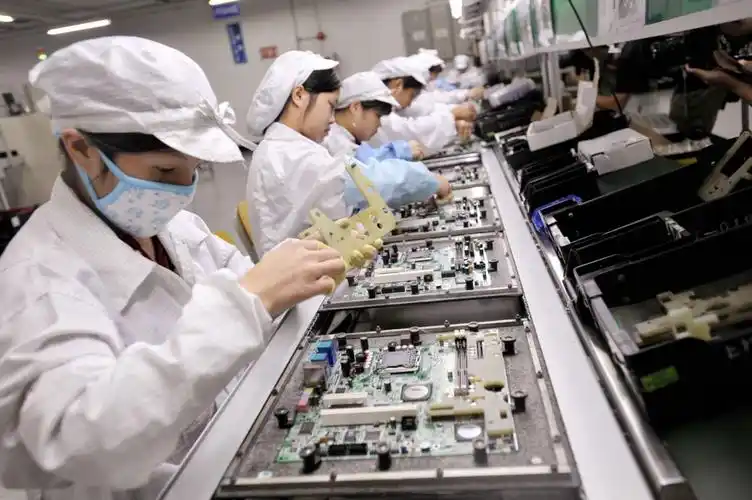
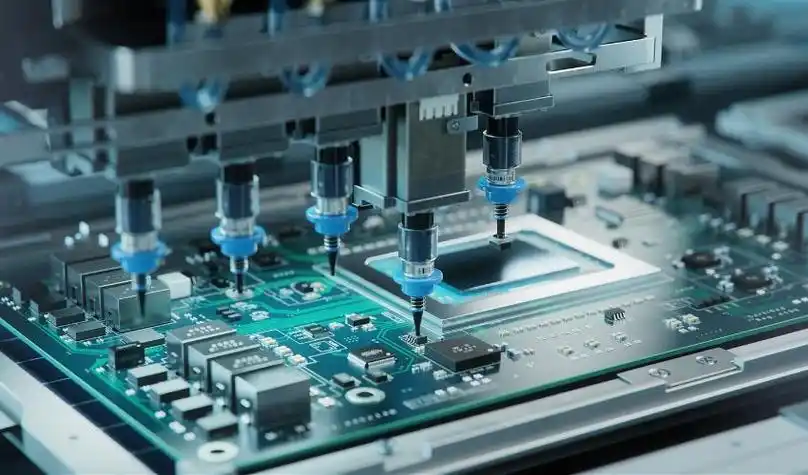
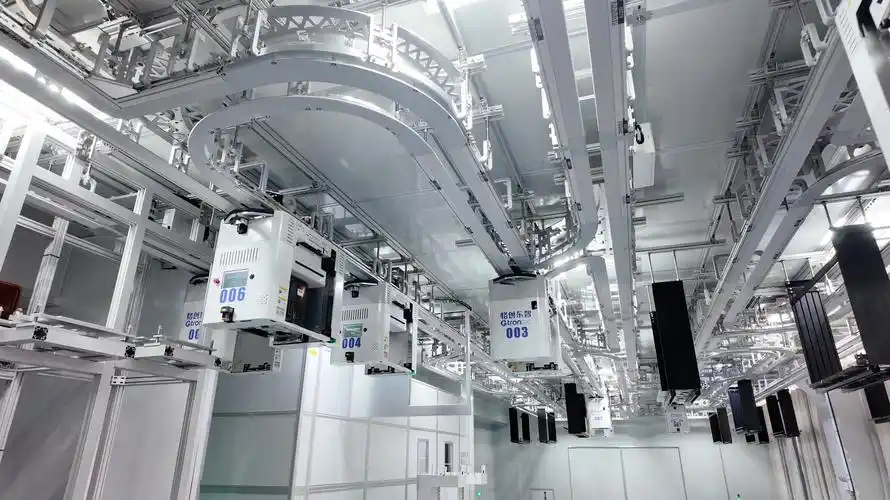
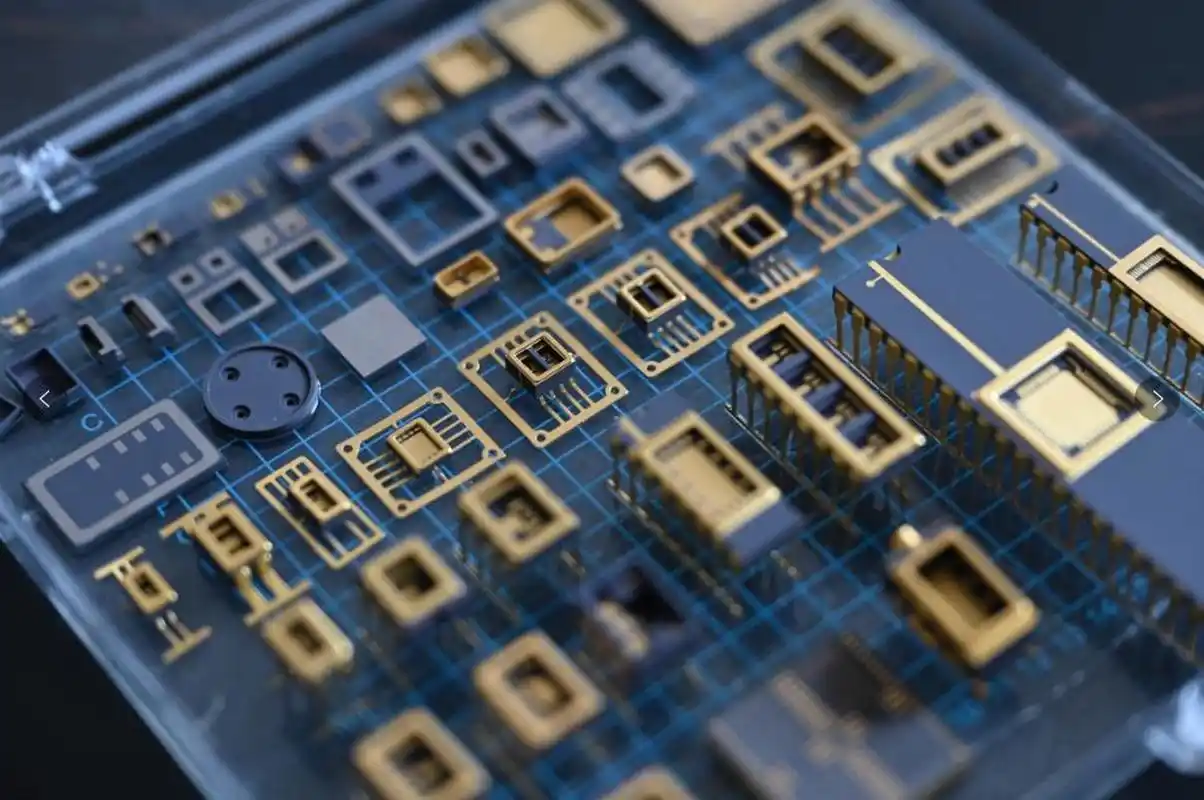
As global demand for chips continues to rise, the semiconductor industry is under increasing pressure to deliver faster, smarter, and more reliably than ever before. At the center of this transformation is Vietnam, a country that is rapidly gaining attention as a strategic destination for semiconductor manufacturing, assembly, testing, and supply chain diversification.
For global buyers, OEMs, EMS companies, and technology brands, fast delivery is no longer a nice-to-have. It is a critical performance factor that affects product launches, customer satisfaction, inventory planning, and overall competitiveness. In the semiconductor sector, every stage of the delivery process must be optimized with precision.
This article explores the fast-delivery stages for Vietnam semiconductor, showing how companies can build a faster and more resilient supply chain while meeting international quality standards.
Why Vietnam Is Becoming a Semiconductor Supply Chain Hub
Vietnam has emerged as one of the most promising manufacturing destinations in Asia thanks to a combination of cost efficiency, industrial growth, logistics expansion, and strong participation in global electronics manufacturing.
Several factors are driving this momentum:
- Strategic location in Southeast Asia
- Expanding export infrastructure
- Competitive manufacturing and labor costs
- Strong electronics production ecosystem
- Government support for high-tech investment
- Increasing foreign direct investment in semiconductors and related industries
For companies seeking to reduce lead times and diversify supply chains, Vietnam offers a compelling balance of speed, scale, and flexibility.
The Meaning of Fast Delivery in Semiconductor Manufacturing
Fast delivery in semiconductor manufacturing is more than just shipping products quickly. It is a complete operational system that includes:
- Reliable sourcing
- Efficient production scheduling
- Automated manufacturing processes
- Strict quality control
- Fast testing and packaging
- Export-ready logistics
- Real-time customer communication
In a high-precision industry like semiconductors, fast delivery must never compromise quality. The best-performing companies in Vietnam are those that can reduce lead times while maintaining consistency, traceability, and compliance.
Stage 1: Strategic Sourcing and Material Availability
The first stage of fast delivery begins before production even starts. In semiconductor manufacturing, sourcing is often one of the biggest factors affecting lead time.
To achieve fast delivery, companies must secure:
- Raw materials
- Wafers
- Packaging materials
- Testing components
- Specialized equipment and consumables
A strong sourcing strategy includes pre-qualified suppliers, local procurement where possible, and dual sourcing for critical items. In Vietnam, many manufacturers are working to strengthen regional supply networks so that they can respond quickly to order spikes and avoid disruptions caused by long international lead times.
A resilient sourcing strategy is essential for semiconductor supply chain Vietnam and supports faster order fulfillment.
Fast-Delivery Stages for Vietnam Semiconductor: How to Build Speed, Reliability, and Scale
The semiconductor industry is evolving rapidly, and Vietnam is emerging as one of the most promising destinations for manufacturing, assembly, testing, and supply chain diversification. As global demand grows and customers expect shorter lead times, the concept of fast delivery has become a key competitive advantage for semiconductor companies operating in Vietnam.
Fast delivery in the semiconductor sector is not simply about shipping products quickly. It involves a well-structured process that connects sourcing, production, quality control, logistics, and customer communication. In Vietnam, where the semiconductor ecosystem is developing quickly, companies that master each stage of fast delivery can significantly improve efficiency and strengthen their position in global supply chains.
Why Fast Delivery Matters in Vietnam’s Semiconductor Industry
For semiconductor buyers, delays can lead to production stoppages, missed launch windows, and higher operating costs. This is especially important in industries such as consumer electronics, automotive, telecom, medical devices, and industrial automation, where semiconductors are mission-critical components.
Vietnam offers several advantages that support fast delivery:
- Competitive manufacturing costs
- A strategic location in Southeast Asia
- Growing infrastructure and logistics capabilities
- A strong base of electronics manufacturing
- Government support for high-tech investment
However, to achieve true fast delivery, semiconductor companies must optimize every stage of the process, from planning to final shipment.
Stage 1: Strategic Sourcing and Supplier Alignment
The fast-delivery process begins with sourcing. In semiconductor manufacturing, the availability of raw materials, wafers, packaging components, and testing equipment directly affects production speed.
A strong sourcing stage should include:
- Reliable local and international suppliers
- Pre-approved material inventories
- Dual sourcing for critical components
- Forecast-based procurement planning
- Clear supplier quality standards
In Vietnam, many companies are building closer partnerships with regional suppliers to reduce dependency on long lead-time imports. This helps avoid bottlenecks and ensures production can start immediately when orders are confirmed.
Stage 2: Efficient Production Planning
Once materials are secured, the next stage is production planning. Fast delivery depends heavily on how well production lines are scheduled and managed.
Key practices include:
- Demand-driven production scheduling
- Flexible manufacturing lines
- Real-time order tracking
- Buffer capacity for urgent orders
- Lean production methods
For semiconductor companies in Vietnam, production planning must also account for the specific requirements of different product types, such as chips, modules, wafers, and packaged components. Smart scheduling helps reduce idle time and improves factory responsiveness.
Stage 3: Advanced Manufacturing and Process Control
At the manufacturing stage, speed and precision must work together. Semiconductors require strict process control, and even small errors can lead to major delays.
Fast delivery at this stage relies on:
- Automation and robotics
- Inline quality inspection
- Digital process monitoring
- Predictive maintenance for equipment
- Standardized operating procedures
Vietnamese semiconductor plants that invest in advanced manufacturing technology can significantly reduce cycle times while maintaining high product quality. This is essential for meeting the expectations of global customers who need both speed and consistency.
Stage 4: Testing, Packaging, and Quality Assurance
Testing and packaging are often critical bottlenecks in semiconductor delivery. If these processes are slow or inefficient, the entire supply chain can be delayed.
To improve delivery speed, companies should focus on:
- Parallel testing workflows
- Automated inspection systems
- Fast-turnaround packaging solutions
- Early defect detection
- Clear acceptance criteria
Quality assurance is especially important because rework or failure at this stage can lead to costly shipment delays. A robust QA system helps ensure that products move quickly from factory to customer without compromising reliability.
Stage 5: Logistics and Export Readiness
The logistics stage is where fast delivery becomes visible to the customer. Vietnam’s export infrastructure has improved significantly, but semiconductor shipments still require careful planning due to product sensitivity, customs requirements, and transportation timing.
Important logistics practices include:
- Partnership with experienced freight forwarders
- Air freight options for urgent orders
- Export documentation prepared in advance
- Temperature- and shock-protected packaging
- Customs clearance planning
For semiconductor exports, speed is not just about transport. It is also about eliminating administrative delays. Companies that streamline customs and documentation processes gain a major advantage in international markets.
Stage 6: Customer Communication and Order Visibility
Fast delivery is not only a supply chain issue — it is also a customer experience issue. Buyers want transparency, accurate delivery estimates, and proactive communication.
An effective delivery communication system should include:
- Real-time order status updates
- Estimated delivery milestones
- Immediate alerts for delays or exceptions
- Dedicated account support
- End-to-end traceability
By keeping customers informed, semiconductor companies in Vietnam can build trust and reduce friction. In global B2B sales, reliability and communication are often just as important as speed.
Stage 7: Continuous Improvement and Data-Driven Optimization
Fast delivery should not be treated as a one-time achievement. It must be continuously improved through data analysis and operational refinement.
Companies can optimize performance by tracking:
- Order cycle time
- On-time delivery rate
- Production yield
- Testing turnaround time
- Logistics lead time
Using this data, semiconductor manufacturers in Vietnam can identify weak points, reduce waste, and improve future delivery performance. Over time, this creates a faster and more resilient supply chain.
Vietnam’s Role in the Future of Semiconductor Delivery
Vietnam is becoming increasingly important in the global semiconductor landscape. As international companies diversify manufacturing away from traditional hubs, Vietnam offers a strong combination of cost efficiency, talent development, and supply chain potential.
To fully capitalize on this opportunity, the industry must continue improving:
- Infrastructure
- Skilled labor training
- Local supplier ecosystems
- Digital manufacturing capabilities
- International logistics integration
Companies that can deliver semiconductors quickly and reliably will be best positioned to serve global demand and attract long-term partnerships.
Conclusion
Fast delivery in Vietnam’s semiconductor industry is the result of a well-organized, multi-stage process. From sourcing and production planning to testing, logistics, and customer communication, every step matters.
As Vietnam continues to grow as a semiconductor hub, companies that focus on speed, quality, and operational excellence will gain a strong competitive edge. For businesses looking to build a resilient and efficient supply chain, Vietnam is no longer just an alternative — it is becoming a strategic destination for fast and reliable semiconductor delivery.
As global demand for chips continues to rise, the semiconductor industry is under increasing pressure to deliver faster, smarter, and more reliably than ever before. At the center of this transformation is Vietnam, a country that is rapidly gaining attention as a strategic destination for semiconductor manufacturing, assembly, testing, and supply chain diversification.
For global buyers, OEMs, EMS companies, and technology brands, fast delivery is no longer a nice-to-have. It is a critical performance factor that affects product launches, customer satisfaction, inventory planning, and overall competitiveness. In the semiconductor sector, every stage of the delivery process must be optimized with precision.
This article explores the fast-delivery stages for Vietnam semiconductor, showing how companies can build a faster and more resilient supply chain while meeting international quality standards.
Why Vietnam Is Becoming a Semiconductor Supply Chain Hub
Vietnam has emerged as one of the most promising manufacturing destinations in Asia thanks to a combination of cost efficiency, industrial growth, logistics expansion, and strong participation in global electronics manufacturing.
Several factors are driving this momentum:
- Strategic location in Southeast Asia
- Expanding export infrastructure
- Competitive manufacturing and labor costs
- Strong electronics production ecosystem
- Government support for high-tech investment
- Increasing foreign direct investment in semiconductors and related industries
For companies seeking to reduce lead times and diversify supply chains, Vietnam offers a compelling balance of speed, scale, and flexibility.
The Meaning of Fast Delivery in Semiconductor Manufacturing
Fast delivery in semiconductor manufacturing is more than just shipping products quickly. It is a complete operational system that includes:
- Reliable sourcing
- Efficient production scheduling
- Automated manufacturing processes
- Strict quality control
- Fast testing and packaging
- Export-ready logistics
- Real-time customer communication
In a high-precision industry like semiconductors, fast delivery must never compromise quality. The best-performing companies in Vietnam are those that can reduce lead times while maintaining consistency, traceability, and compliance.
Stage 1: Strategic Sourcing and Material Availability
The first stage of fast delivery begins before production even starts. In semiconductor manufacturing, sourcing is often one of the biggest factors affecting lead time.
To achieve fast delivery, companies must secure:
- Raw materials
- Wafers
- Packaging materials
- Testing components
- Specialized equipment and consumables
A strong sourcing strategy includes pre-qualified suppliers, local procurement where possible, and dual sourcing for critical items. In Vietnam, many manufacturers are working to strengthen regional supply networks so that they can respond quickly to order spikes and avoid disruptions caused by long international lead times.
SEO-relevant takeaway:
A resilient sourcing strategy is essential for semiconductor supply chain Vietnam and supports faster order fulfillment.
Stage 2: Demand Forecasting and Production Planning
Once materials are available, the next key stage is production planning. Fast delivery depends on how effectively factories can match customer demand with production capacity.
Modern semiconductor companies use data-driven planning methods to:
- Predict order volume
- Balance capacity across lines
- Prioritize urgent orders
- Reduce idle machine time
- Improve resource utilization
In Vietnam, semiconductor and electronics manufacturers are increasingly adopting smart planning systems to shorten cycle times and support just-in-time delivery. This is especially important for buyers in fast-moving industries such as consumer electronics, automotive electronics, telecom, and industrial devices.
Stage 3: Precision Manufacturing and Process Automation
Semiconductors require extreme precision. Even a small error in one process stage can create significant delays downstream. That is why manufacturing automation is central to fast delivery.
Companies that want to improve delivery speed should invest in:
- Automated production lines
- Real-time machine monitoring
- Digital quality tracking
- Predictive maintenance
- Standardized workflow control
Vietnam’s growing industrial base is increasingly capable of supporting advanced electronics and semiconductor-related manufacturing. As factories upgrade their capabilities, they can reduce production bottlenecks and improve throughput without sacrificing quality.
Stage 4: Testing, Inspection, and Quality Assurance
Testing and quality assurance are critical stages in the semiconductor delivery pipeline. In many cases, this is where delays occur if the process is not well designed.
To support faster delivery, semiconductor companies in Vietnam are adopting:
- Automated test equipment
- Parallel testing processes
- Inline inspection
- Early failure detection
- Standardized acceptance criteria
The goal is to identify defects as early as possible and prevent rework from slowing down shipment schedules. This stage is especially important for global clients who require both high reliability and short turnaround times.
Stage 5: Packaging and Final Assembly
Packaging is another major stage that directly affects delivery speed. In semiconductor operations, packaging must be precise, protective, and efficient.
Fast-delivery packaging processes often include:
- Standardized package formats
- Automated handling systems
- Reduced manual intervention
- Damage-resistant protective materials
- Fast release procedures after QA approval
For companies serving overseas buyers, packaging is not only about product protection. It also affects customs handling, inventory efficiency, and downstream logistics. The more streamlined this stage is, the faster products can move from the factory to the customer.
Stage 6: Export Logistics and Customs Readiness
Logistics is one of the most visible stages of fast delivery. Even when production is complete, delays in transportation or customs clearance can slow the entire supply chain.
To improve export readiness, semiconductor companies in Vietnam should focus on:
- Pre-prepared export documents
- Trusted freight forwarding partners
- Air freight options for urgent shipments
- Customs-compliant packaging
- Shipment tracking systems
Vietnam’s logistics environment has improved significantly, but semiconductor shipments still require careful handling due to their sensitivity, value, and technical specifications. Companies that reduce paperwork delays and plan transportation in advance can dramatically improve delivery performance.
Stage 7: Real-Time Order Visibility and Customer Communication
Fast delivery is not just about internal operations. It is also about how well a company communicates with its customers.
In B2B semiconductor trade, customers expect:
- Order status updates
- Estimated arrival times
- Delay notifications
- Traceability across stages
- Responsive account support
Real-time communication builds trust and reduces uncertainty. This is especially important for international customers who depend on accurate timelines for their own production schedules. In many cases, strong communication can be just as valuable as shorter lead times.
Stage 8: Continuous Improvement Through Data and AI
The most competitive semiconductor companies do not treat fast delivery as a one-time achievement. They improve it continuously using performance data and digital tools.
Key metrics to monitor include:
- Order-to-ship time
- On-time delivery rate
- Production yield
- Test cycle time
- Logistics transit time
- Customer complaint rate
By analyzing this data, companies can identify bottlenecks, reduce waste, and improve future delivery speed. In 2026 and beyond, AI-driven supply chain optimization is becoming a major topic in both B2B search and global industry discussion.
Vietnam Semiconductor and the Future of Global Supply Chains
Vietnam is no longer just a low-cost manufacturing location. It is becoming a strategic node in the global semiconductor and electronics supply chain.
As global firms seek to reduce dependency on single-country production models, Vietnam offers:
- Manufacturing diversification
- Faster regional fulfillment
- Stronger supply chain resilience
- Access to growing talent pools
- A developing high-tech industrial ecosystem
For international buyers, the ability to source semiconductors from Vietnam means more than cost savings. It means flexibility, scalability, and reduced risk.
How Fast Delivery Supports Business Growth
Fast delivery in semiconductors creates a ripple effect across the entire business:
- Faster customer onboarding
- Better inventory management
- Improved production planning
- Higher customer retention
- Stronger market reputation
- More competitive global positioning
In today’s digital-first market, buyers often compare suppliers not just on price, but on speed, transparency, and consistency. Companies in Vietnam that can deliver quickly and reliably are better positioned to win long-term international business.
Conclusion
The fast-delivery stages for Vietnam semiconductor manufacturing are built on a chain of interconnected processes: sourcing, planning, manufacturing, testing, packaging, logistics, communication, and continuous optimization.
Vietnam’s rising role in global semiconductor supply chains makes it an increasingly important destination for companies seeking speed, resilience, and quality. By investing in process efficiency, supply chain visibility, and export readiness, semiconductor manufacturers in Vietnam can meet growing global demand and build a strong competitive edge.
For brands and buyers looking to strengthen their supply chain strategy, Vietnam is not just an alternative. It is becoming a high-potential hub for fast, reliable, and scalable semiconductor delivery.
FAQ Schema
What are the fast-delivery stages for Vietnam semiconductor manufacturing?
The main stages include sourcing, production planning, manufacturing automation, testing, packaging, logistics, customer communication, and continuous improvement.
Why is Vietnam important for semiconductor supply chains?
Vietnam offers competitive costs, growing industrial capacity, strategic location, and improving logistics, making it attractive for global semiconductor and electronics supply chains.
How can semiconductor companies reduce delivery time?
They can reduce delivery time by improving supplier coordination, automating production, streamlining testing, optimizing logistics, and using real-time data tracking.
Is Vietnam suitable for semiconductor export?
Yes. Vietnam is increasingly suitable for semiconductor export due to its growing manufacturing ecosystem and expanding logistics infrastructure.
What trends are shaping semiconductor supply chains in 2026?
Key trends include nearshoring, supply chain diversification, AI-driven planning, faster logistics, and greater demand for transparency and resilience.