Explore optical transceiver alignment fixtures & active alignment systems for Vietnam‑based optical module factories. Solve low yield, manual coupling pain‑points for 400G/800G/1.6T transceiver mass production in Vietnam’s photonics supply chain
What Is Optical Transceiver Alignment Equipment?
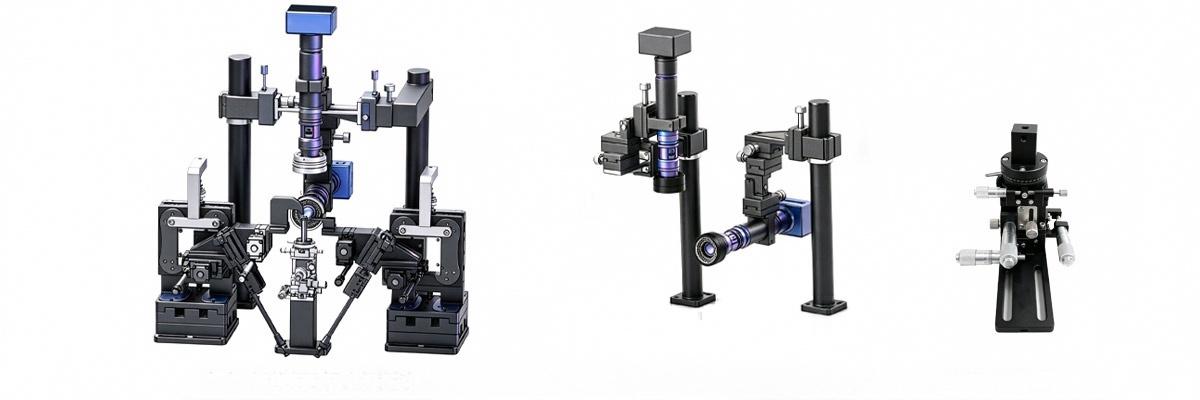
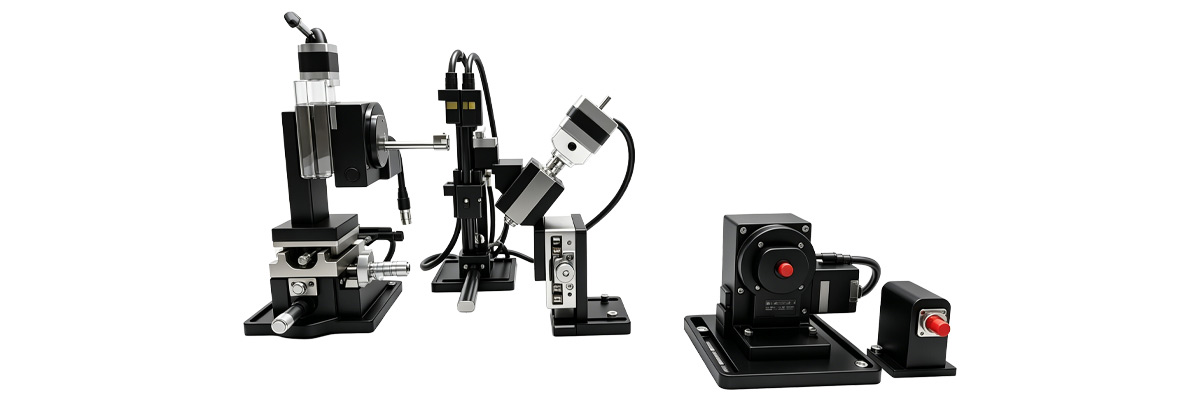
Optical transceiver alignment equipment refers to the specialized precision motion-control and metrology systems used to assemble, test, and qualify optical transceiver modules. The core components include:
Multi-axis (XYZ + tip/tilt) positioning platforms with sub-micron or nanometer resolution. They align optical fibers to laser diodes, photodetectors, and silicon-photonic waveguides.
2. Active Alignment Workstations
Integrated systems that use real-time optical power feedback to optimize coupling efficiency before epoxy cure or laser welding. Active alignment can improve coupling by 2–4 dB compared to passive methods.
3. Laser Diode Couplers
Precision fixtures and stages for coupling semiconductor lasers into single-mode fibers or fiber arrays.
4. PIC Test & Probing Systems
Wafer-scale alignment systems for testing photonic integrated circuits before dicing and packaging.
5. Visual Inspection & Bonding Systems
Microscope-integrated stages for epoxy dispensing, laser welding, and final visual QC.
Why Vietnam? Five Megatrends Driving Demand
1. The 5G Infrastructure Super-Cycle
Vietnam’s 5G market is projected to grow at a staggering 24.81% CAGR from 2026 to 2034.
Viettel, VNPT, and MobiFone — controlling over 95% of the subscriber market — are in an arms race to deploy 5G standalone (SA) networks. Viettel alone launched commercial 5G SA across all 63 provinces in October 2024. Each new base station requires multiple optical transceivers for fronthaul and backhaul. Each transceiver requires precision alignment during manufacturing.
2. The Hyperscale Data Center Gold Rush
Vietnam’s data center capacity is projected to approach 1,000 MW by 2030, positioning the country as a regional powerhouse for AI-ready cloud computing.
Viettel’s 30MW Hoa Lac Data Center — Vietnam’s largest — is specifically designed for AI development. Foreign investors are pouring capital into Tier-III and Tier-IV facilities in Hanoi and Ho Chi Minh City. Every server rack, every leaf-spine switch, every AI training cluster relies on 100G/400G/800G optical interconnects. The transceivers powering these connections must be aligned to sub-50-nanometer tolerances.
3. The “China+N” Supply Chain Exodus
Geopolitical fragmentation is forcing optical transceiver manufacturers to execute a “China+N” strategy, diverting capital to build redundant manufacturing footprints in Vietnam, Malaysia, Thailand, and Mexico.
Vietnam offers:
Cost efficiency vs. established regional hubs
Young, tech-savvy workforce driving data consumption
Government incentives for high-tech manufacturing
Strategic location for subsea cable landing stations
As a result, optical component and transceiver assembly operations are relocating to Vietnam’s industrial parks — bringing their precision alignment equipment needs with them.
4. Fiber-to-the-Home (FTTH) National Mandate
Vietnam’s Digital Infrastructure Strategy targets universal fiber access for all households by 2030. The government has approved plans for widespread fiber optic expansion, with urban centers already exceeding 70% household coverage.
This creates downstream demand for:
PON transceivers (GPON/XGS-PON)
Optical line terminals (OLTs)
Field-installable connectors
All of which require alignment during production and deployment
Vietnam’s photonics sector is experiencing sustained double-digit growth, with government initiatives prioritizing photonics and semiconductor development.
Global players like Universal Photonics opened a Ho Chi Minh City office in October 2025, explicitly citing Vietnam’s growing role in the global photonics supply chain. As local manufacturing scales, the need for domestic alignment equipment — or at least local calibration, service, and spare-parts logistics — becomes critical.
Types of Optical Transceiver Alignment Equipment in Demand
Equipment Type
Precision
Application in Vietnam
Typical Lead Time
Manual Fiber Alignment Stage
1–10 µm
R\&D labs, university partnerships, quick prototyping
Vietnam has rapidly grown into a core manufacturing hub for global optical transceivers, with dozens of international and Chinese‑backed optical‑module factories expanding mass production across Bac Ninh, Bac Giang and Ho Chi Minh industrial parks36. As production scales up for 400G, 800G and emerging 1.6T AI‑grade transceivers, high‑precision optical transceiver alignment devices become the bottleneck that directly decides production yield, throughput and operational cost for local Vietnam production lines.
This article breaks down real‑world manufacturing pain‑points in Vietnam photonics plants, compares manual vs automated transceiver alignment hardware, and outlines practical selection guidance for production engineers, manufacturing managers and procurement teams operating in Vietnam.
Vietnam’s optical‑transceiver manufacturing ecosystem is expanding fast, yet local production lines meet distinct obstacles when deploying optical transceiver alignment fixtures and active alignment systems.
Skilled‑operator shortage pushes demand for high‑automation alignment hardware Many Vietnam‑based photonics sites struggle with limited experienced optical assembly technicians. Manual alignment heavily relies on operator skills, bringing unstable coupling efficiency, high scrap rate and slow ramp‑up for new product batches. Automated optical transceiver alignment devices reduce manual intervention and suppor
High‑speed transceiver standards raise precision thresholds Mass‑producing 800G /1.6T transceivers requires sub‑micron alignment accuracy between laser diodes, photodetectors and fiber arrays. Minor misalignment generates huge optical power loss. Many legacy alignment fixtures imported long‑term cannot satisfy new‑generation high‑rate transceiver requirements on Vietnam production floors.
Supply‑chain & after‑service gaps for precision photonics equipment Most premium alignment systems are sourced from overseas brands. Long lead‑times, limited local Vietnam technical support, spare‑part delays and high maintenance costs frequently interrupt mass production schedules for local optical‑module factories.
Mixed‑model production demands flexible alignment‑fixture compatibility Vietnam manufacturing plants often run mixed‑batch production covering 100G‑1.6T transceivers. Alignment devices must support fast fixture switching to fit diverse transceiver form‑factors without lengthy re‑calibration cycles.
Manual vs Automated Optical Transceiver Alignment Devices for Vietnam Production Lines
Choosing suitable alignment hardware directly shapes yield, OPEX and scalability for Vietnam‑located optical‑transceiver assembly workshops.
Core Components of High‑Performance Optical Transceiver Alignment Devices
Production‑proven transceiver alignment equipment deployed for Vietnam photonics sites integrates these core modules:
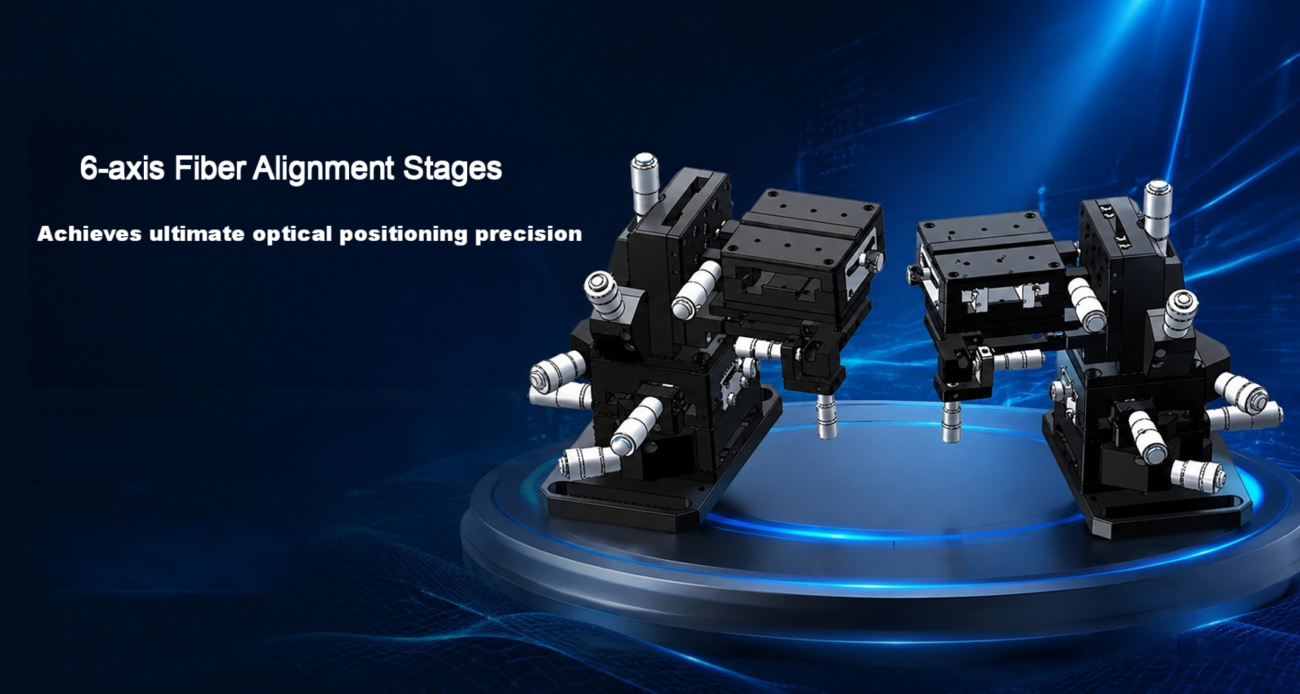
Multi‑DOF precision displacement stages: Mostly 6‑axis (X/Y/Z plus three rotation axes), delivering nanometer‑scale positioning resolution for fine optical coupling between transceiver chips and fiber arrays.
Vision‑assisted positioning unit: Completes coarse pre‑alignment before high‑precision fine tuning, shortening alignment cycle time.
Quick‑swap fixture toolkit: Supports fast reconfiguration for different transceiver packages (BOX, COB etc.) to match Vietnam‑site mixed‑model production.
UV glue dispensing & curing unit: Integrates alignment, gluing and UV curing in one workflow for full‑process transceiver packaging.
Critical Selection Criteria When Sourcing Alignment Devices for Vietnam‑Based Optical‑Transceiver Factories
If you are sourcing optical transceiver alignment devices for your Vietnam plant, evaluate below practical factors beyond pure technical parameters:
1. Precision matched with your transceiver product roadmap
For 100G‑400G transceivers: Micron‑class repeatability meets requirements.
For 800G‑1.6T AI‑transceivers: Require sub‑micron repeatability and closed‑loop active‑alignment algorithm support.
2. Compatibility with your existing Vietnam‑site production workflow
Check mechanical interfaces, communication protocols (EtherCAT etc.), and whether the system supports MES system docking for local Vietnam factory data collection. Quick‑change fixture design cuts downtime during frequent product‑model switching.
3. Lead‑time & regional technical support for Vietnam delivery
Long sea‑freight, customs clearance and installation debugging are major pain‑points for Vietnam photonics projects. Prioritize suppliers offering clear delivery timelines, remote debugging support, and accessible spare‑part supply for Southeast‑Asia customers. Avoid vendors with zero post‑sales coverage for Vietnam.
4. Environmental adaptability for Vietnam factory conditions
Factory temperature fluctuation and vibration will affect alignment stability. Confirm thermal‑drift compensation performance of alignment stages, to keep consistent coupling performance under typical Vietnam production‑workshop environments.
Application Scenarios of Optical Transceiver Alignment Devices in Vietnam
Vietnam‑based photonics manufacturers deploy transceiver alignment devices across these key production links:
COB‑package transceiver assembly: Active alignment between laser chip, PD chip and fiber array for high‑speed transceivers.
BOX‑type optical‑transceiver coupling: Align lens components, fiber arrays and transceiver housings with automatic glue‑fixing.
Silicon‑photonics transceiver packaging: Sub‑micron precision alignment for PIC‑based 800G‑1.6T transceivers, fast‑growing in Vietnam production bases.
Pilot‑line & R&D laboratories: Manual‑type high‑precision alignment fixtures for new‑product verification before mass‑production ramp‑up.
Frequently Asked Questions (FAQ)
Q1: What is an optical transceiver alignment equipment?
A: Optical transceiver alignment device (also called optical coupling station / active alignment system) is precision photonics assembly equipment. It adjusts relative positions among laser chips, photodiodes, lenses and fiber arrays at sub‑micron accuracy, maximizing optical‑signal coupling efficiency during optical‑transceiver packaging.
Q2: Why do Vietnam optical‑module factories need automated transceiver‑alignment equipment?
A: Vietnam faces shortages of skilled optical‑assembly workers. Automated optical transceiver alignment devices reduce human‑driven errors, stabilize mass‑production yield for 400G‑1.6T transceivers, and support factory capacity expansion without heavy reliance on highly‑trained local operators.
Q3: Can automated alignment devices handle multi‑model mixed‑batch production in Vietnam plants?
A: Yes. With quick‑swap fixture kits, modern alignment systems can switch between different transceiver form‑factors. This fits the common mixed‑batch manufacturing mode widely seen in Vietnam optical‑module industrial parks.
Q4: What delivery challenges should I note when importing alignment equipment into Vietnam?
A: You need to account for manufacturing lead‑time, sea‑shipping cycle, Vietnam customs clearance, on‑site installation and staff training. Choose suppliers with Southeast‑Asia customer references to reduce project‑delay risks.
Q5:Why is Vietnam a strategic market for optical transceiver alignment?
Vietnam combines a 24.81% CAGR 5G market, a 1,000 MW data center pipeline by 2030, government incentives for high-tech manufacturing, and its role as a “China+N” alternative in the global photonics supply chain. These forces create unprecedented demand for precision alignment equipment.
Q6: What types of alignment equipment are most needed in Vietnam?
Motorized XYZ stages and 6-DOF systems for 100G–800G transceiver production are in highest demand. Piezo nanopositioners are needed for emerging silicon-photonics and quantum-optics R&D. Active alignment workstations are critical for high-volume EMS operations.
Q7: What is the typical lead time for precision alignment equipment?
Manual stages: 1–2 weeks. Motorized stages: 4–16 weeks. Piezo and 6-DOF systems: 12–26 weeks. In Vietnam’s fast-moving market, suppliers with regional inventory and local support have a decisive advantage.
Q8: How does Vietnam’s “China+N” strategy affect alignment equipment demand?
As optical transceiver manufacturers diversify production from China to Vietnam, they bring their tooling requirements with them. This creates demand not only for new equipment but also for local calibration, spare parts, and technical support — capabilities that require a local supplier presence.
Q9: Can alignment equipment operate in Vietnam’s climate?
Air-conditioned cleanroom environments for sub-100-nm work
Temperature-compensated encoders
Sealed or protected linear guides
Dehumidified storage for piezo ceramics
Air-conditioned cleanroom environments for sub-100-nm work
Q10: What role does the Vietnamese government play?
The government has allocated USD 500 million for telecom infrastructure, offers 15% equipment subsidies for large-scale 5G deployments, and approved the Digital Infrastructure Strategy targeting 99% 5G coverage by 2030. These policies directly fund the networks that consume aligned optical transceivers.
Driven by global AI‑data‑center demand, more optical‑transceiver enterprises continue building and expanding production capacity inside Vietnam. The market for high‑precision optical transceiver alignment devices and active‑alignment systems will keep expanding correspondingly36氪.
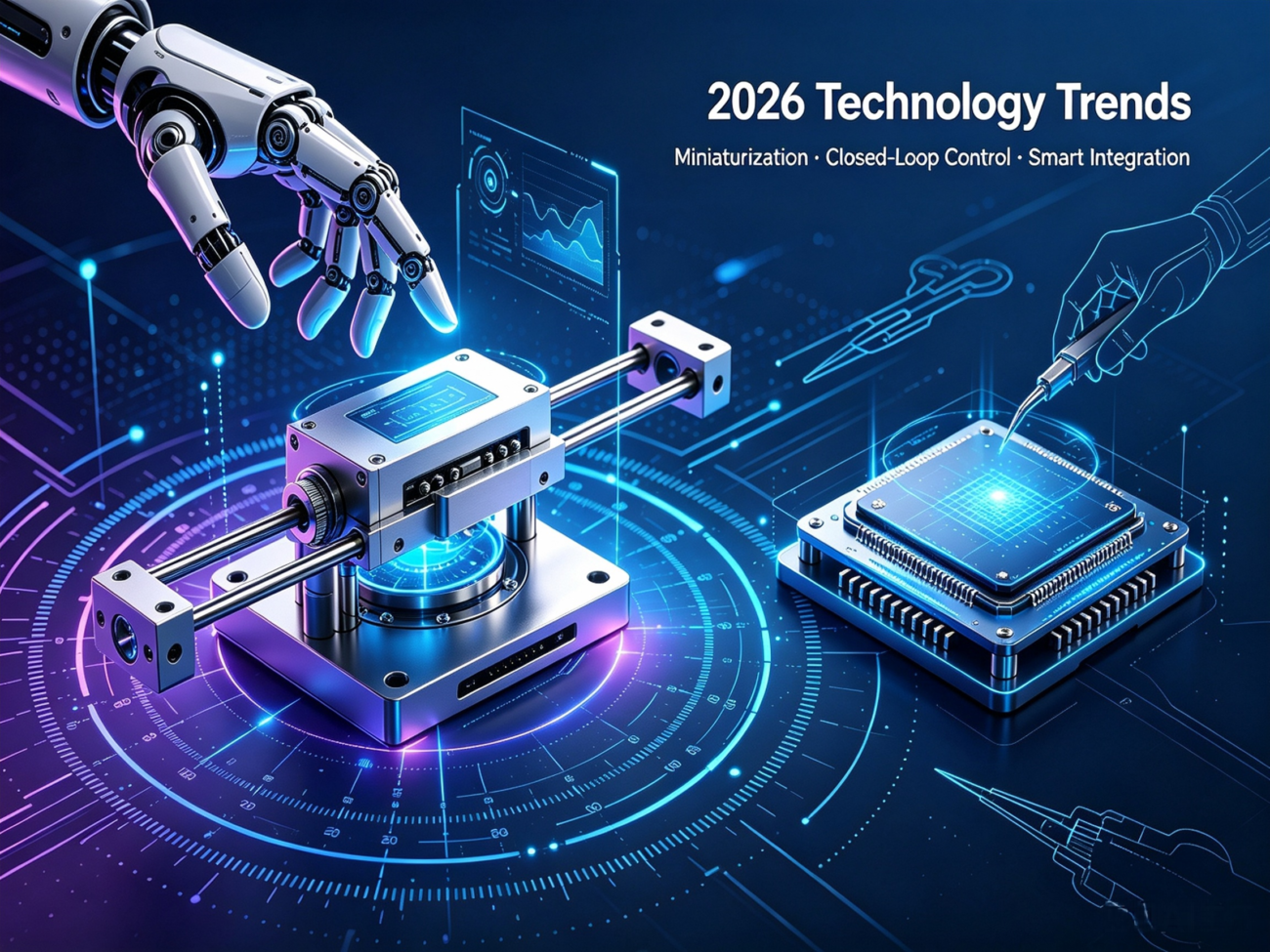
Moving forward, key trends for Vietnam production lines include: higher‑degree automation, AI‑assisted alignment algorithms, shorter product‑change‑over time, and better regional after‑sales support for Southeast‑Asia customers. Factories that select suitable alignment hardware will gain obvious advantages in yield improvement, cost‑control and fast new‑product ramp‑up
Get Your Custom Alignment‑Solution Consultation
If you operate an optical‑transceiver manufacturing project in Vietnam and are evaluating optical transceiver alignment fixtures, multi‑axis alignment stages or full active‑alignment systems, contact our engineering team. We provide requirement assessment, technical proposal and quotation tailored to your product‑specifications, throughput target and Vietnam‑site deployment conditions.
Vietnam Is the Next Precision Photonics Battleground
Vietnam is no longer just an emerging market for optical transceivers. It is becoming a manufacturing and deployment hub where 5G infrastructure, AI data centers, and supply chain diversification converge. The companies that secure reliable access to optical transceiver alignment equipment— with local support, spare parts, and rapid response — will capture disproportionate share of this USD 771 million (and growing) opportunity.
In 2026, the question is not whether Vietnam needs more alignment equipment. The question is: who can deliver it before the competition does?
HCY Automation delivers integrated solutions across motion control, linear motion, robotics, machine vision, pneumatic systems, and precision gearboxes to help global manufacturers build smarter, faster, and more reliable production lines. Our engineering team helps you select and integrate the right motion control, robotics, and automation components for your specific application.